
3 Minutes
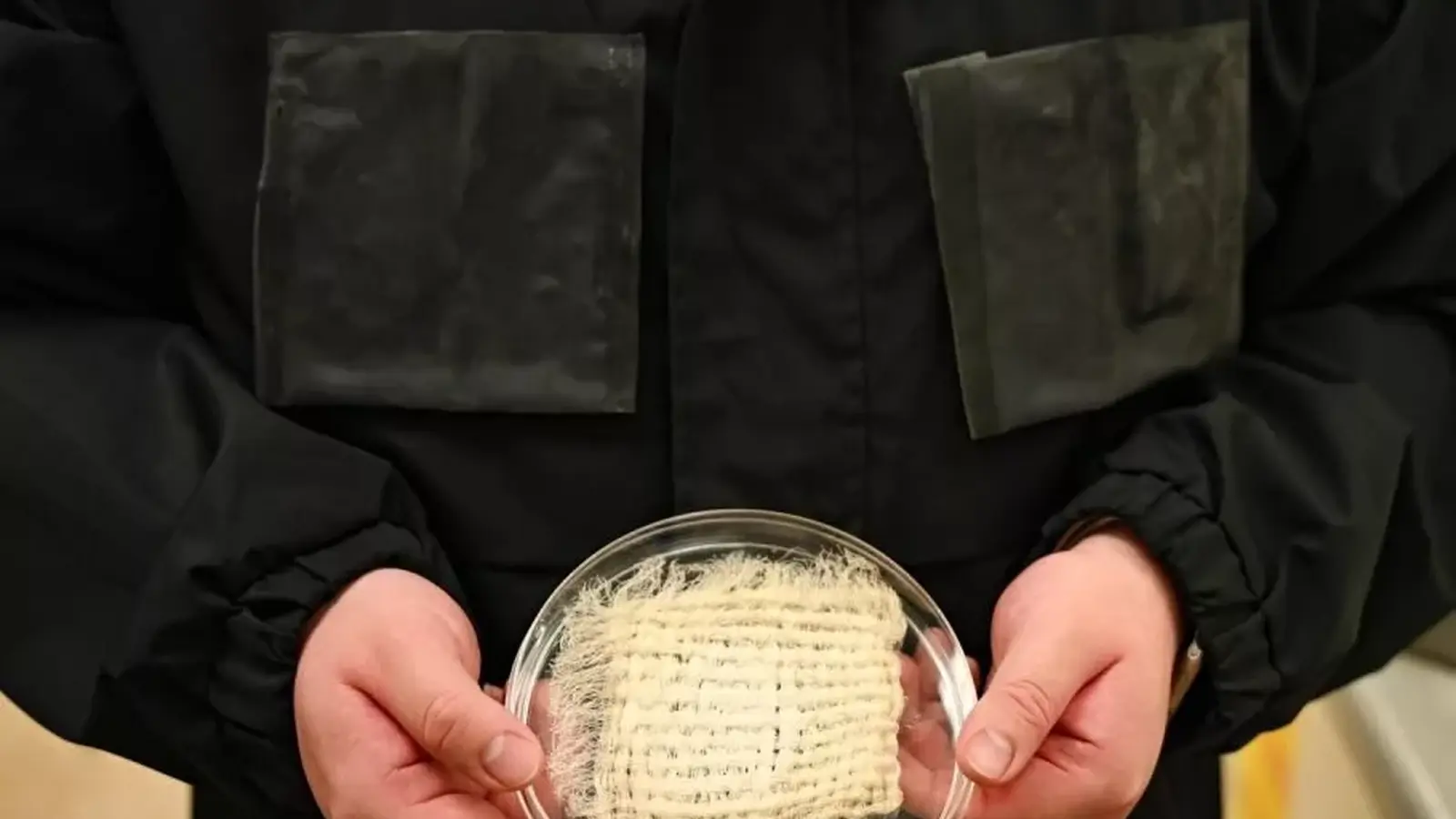
Stranded on a ridge with a parched throat, you look at your gear and wonder: could your clothes be the well? Researchers at the University of Texas have turned that question into an experimental yes. They engineered a fabric that captures moisture from the atmosphere and funnels it into tiny collection chambers built into a wearable jacket.
The idea is simple and stubbornly clever. Instead of bulky, stationary machines that extract water from air, this approach integrates the harvesting material directly into something you can wear. Think of it as a portable miniature dew harvester stitched into a garment. It doesn’t just soak up humidity. The fabric channels condensed water into dedicated pockets. Those pockets fold into a compact chamber where gentle heat releases drinkable water.
How much can you expect? Tests show the system produces roughly 400–900 milliliters per day, depending on surrounding humidity—about one to two small bottles of water. That output won’t replace a full supply for a long expedition, but it could bridge gaps in emergency scenarios or reduce the weight hikers carry.

This fabric can harvest roughly 400–900 milliliters of water per day depending on humidity.
What sets this effort apart is portability. Most atmospheric water harvesting technologies require heavy absorbers, constant power, or fixed infrastructure. By contrast, the Texas team designed a wearable solution: lightweight, mobile, and flexible enough for jackets, backpacks, or even tent panels. Imagine a tent that wicks moisture from the night air and delivers a little water each morning.
Applications are immediate and practical. In disaster relief or remote medical missions, lightweight assets that supply modest amounts of water could change logistics. For outdoor enthusiasts, the technology promises gear that supplies supplemental hydration without bulky filters or carried liters. And for designers, the fabric is a platform: swap the jacket for a rucksack, a tarp, or a sleeping shelter and you have new ways to harvest local humidity.
There are limits. The current prototypes rely on environmental humidity and a heating step to release stored water, so output varies with conditions and energy availability. Engineers need to refine materials, improve efficiency, and scale manufacturing if the idea is going to leave the lab and enter store shelves.
Still, the concept feels like a small revolution folded into clothing. Turning garments into active survival tools blurs the line between kit and consumable. It also asks a cheeky question about future trips: what if part of your water supply came not from a spring, but from the air itself?

Leave a Comment
Comments
No comments yet. Be the first.