
2 Minutes
Imagine pulling drinking water out of bone-dry desert air in minutes instead of hours. Researchers at MIT have unveiled an ultrasonic system that does exactly that — harvesting moisture from the atmosphere far faster and with less energy than traditional solar-driven methods.
How the ultrasonic water harvester works
Conventional atmospheric water harvesting (AWH) relies on sponge-like sorbent materials that trap water vapor. To release the captured water, those systems typically need hours of heating under sunlight so moisture can evaporate and then condense — an energy- and time-intensive process.
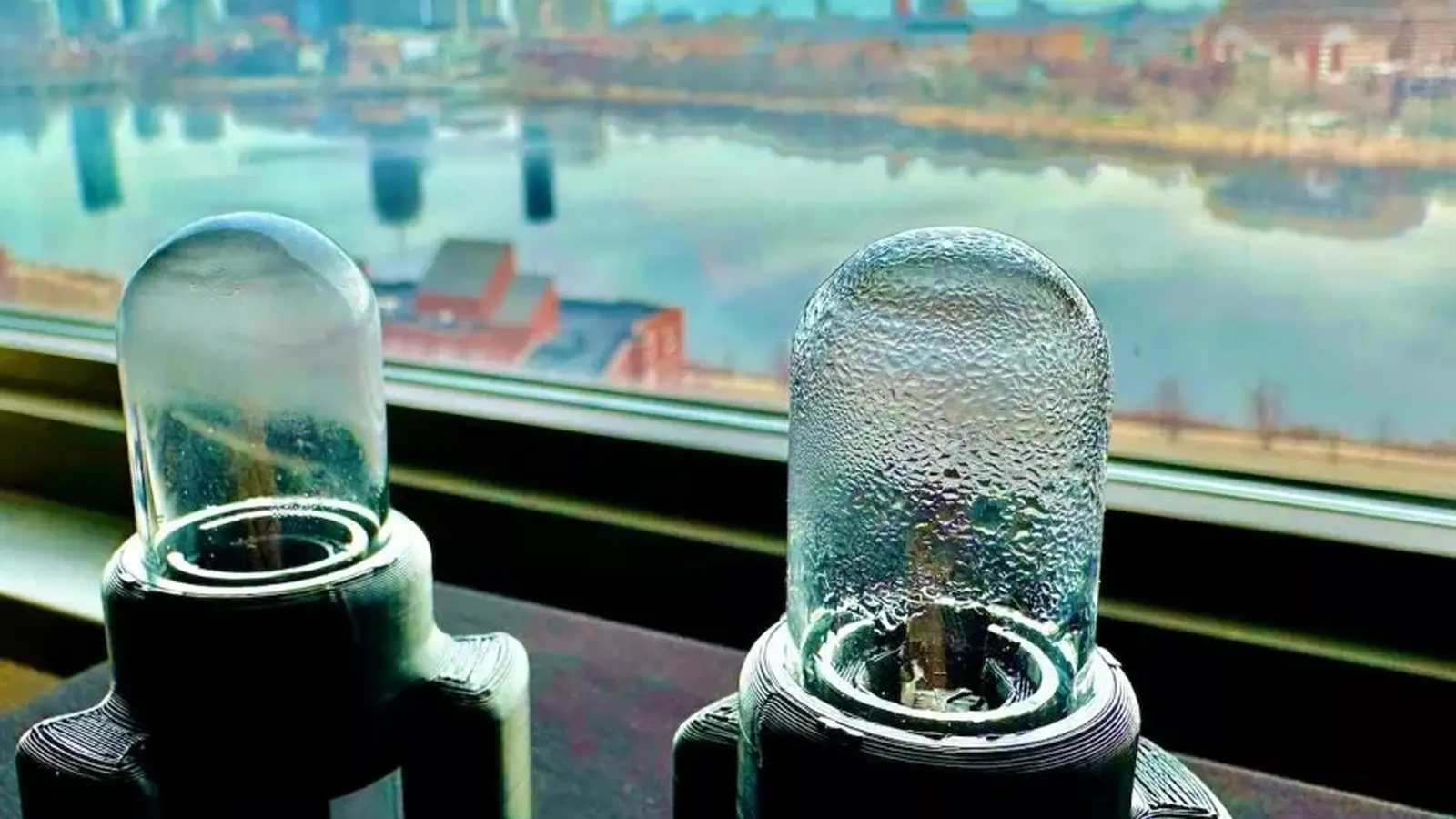
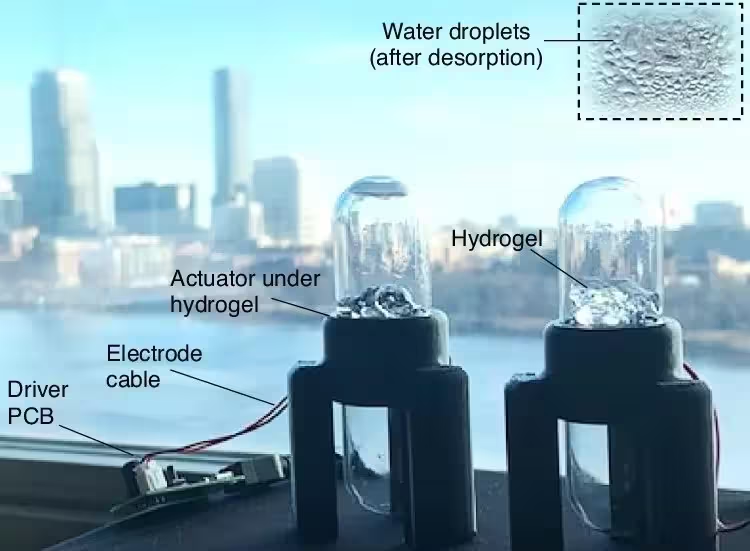
The MIT team took a different approach. They built a device around a piezoelectric ceramic plate that vibrates at ultrasonic frequencies when voltage is applied. Those high-frequency oscillations mechanically break the weak bonds between water molecules and the sorbent, ejecting micron-scale droplets directly from the material rather than boiling the water away.
Performance edge: speed and efficiency
The prototype demonstrated a striking advantage: roughly 45 times greater efficiency compared with traditional evaporative release. Two factors drive this gain. First, ultrasonic release dries the sorbent in minutes rather than hours, eliminating long wait times for solar heating. Second, ultrasound targets only the interface holding the water, consuming much less energy than heating the whole sorbent to drive evaporation.
Why the desert matters
Many AWH systems falter in arid regions because low relative humidity reduces passive collection. But the MIT device can still attract and extract moisture under relatively dry conditions, expanding the practical reach of atmospheric water technologies into deserts and drought-prone areas.
Practical design and next steps
Researchers envision compact units that combine a small solar panel, a humidity sensor, and the ultrasonic actuator. The sensor detects when the sorbent is saturated, triggers the piezoelectric plate, and collects the released droplets. This cycle can repeat multiple times per day to multiply daily water yields.
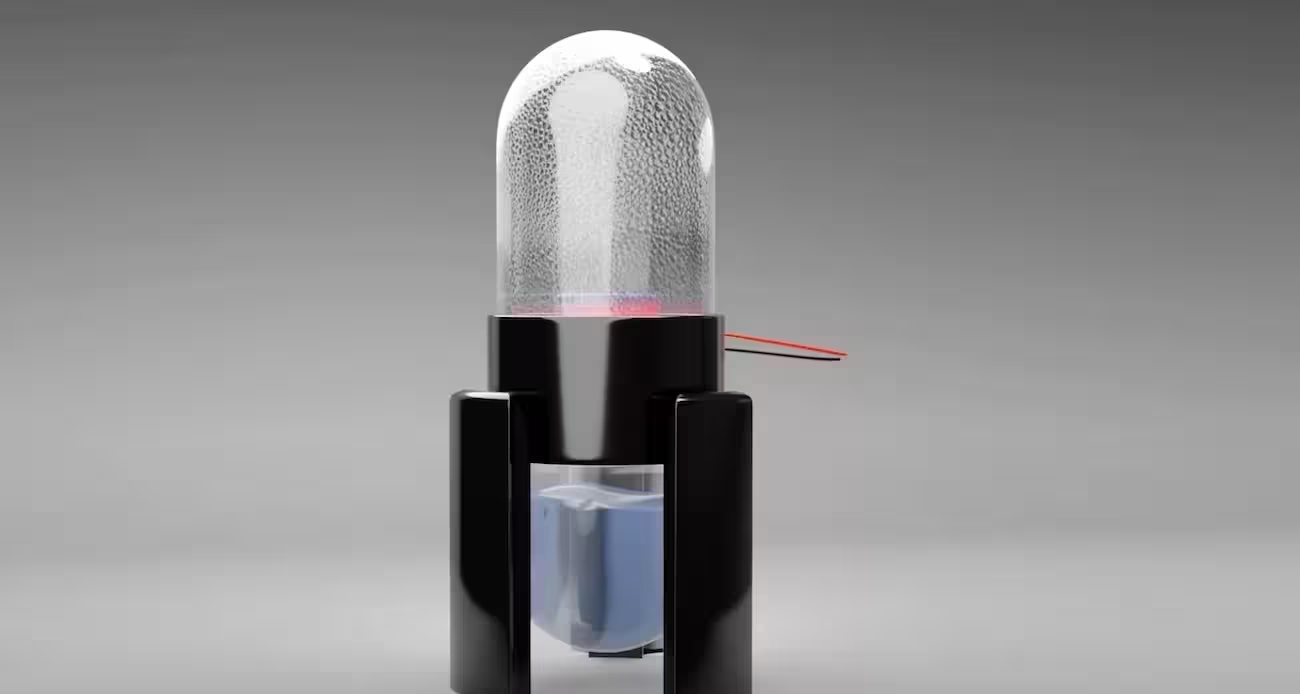
The study, published in Nature Communications, outlines lab results and energy analyses. While the prototype is a proof of concept, the pathway to field-ready devices is clear: optimize sorbent materials, scale the actuator, and integrate low-cost electronics for autonomous operation.
Implications and outlook
This technique could change how remote communities access potable water and augment existing desalination or rainwater systems. Imagine off-grid stations providing emergency water after droughts or portable units for humanitarian relief. As the team refines materials and power integration, ultrasonic AWH may become a practical, energy-conscious solution for water scarcity.


Leave a Comment
Comments
No comments yet. Be the first.