
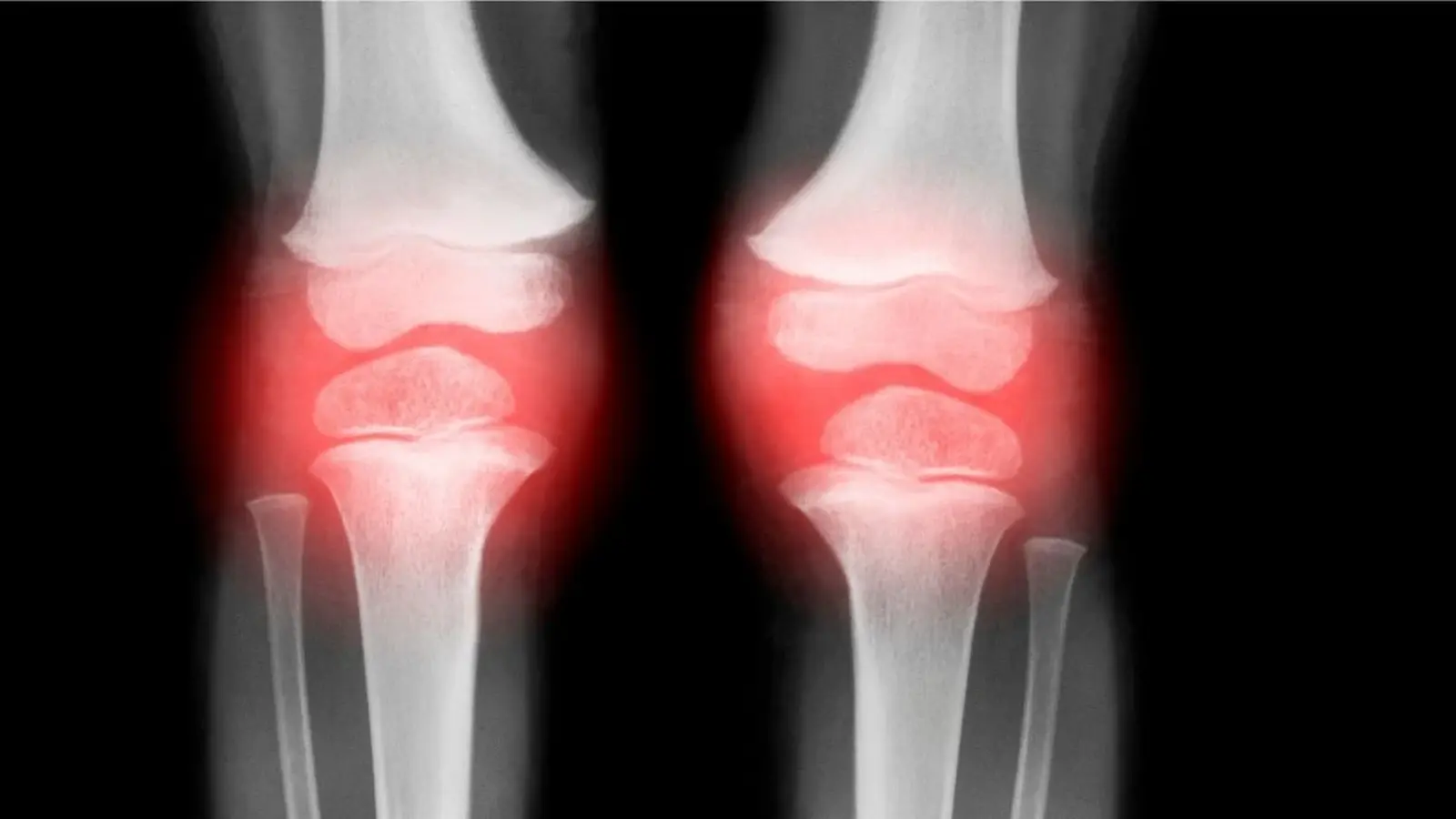
Imagine kneeling without that sharp reminder from your knees. Simple movements that used to be second nature—tying a shoe, reaching into a low cabinet—suddenly come with a cautionary thought. For years, the medical world treated cartilage loss as essentially permanent: once it was gone, replacement meant prosthetics or lifelong pain management. That assumption is starting to crack.
Researchers at Stanford have traced age-related cartilage decline to one culprit: an enzyme called 15-PGDH. As we grow older, this enzyme becomes more plentiful and quietly chips away at the chemical signals that dampen inflammation and promote tissue repair. Turn that dial down, the team found, and worn cartilage can thicken again.
In experiments with aged mice, blocking 15-PGDH caused previously thinned cartilage to regain bulk and structural features resembling younger tissue. In another test, the scientists recreated the mouse equivalent of an ACL tear—a common trigger for post‑traumatic osteoarthritis—and again prevented the cascade of joint degeneration by inhibiting the enzyme. The usual slide into arthritis did not happen.
What surprised the researchers was how the repair happened. Nobody needed to deliver a fresh batch of stem cells. Instead, chondrocytes—the mature cells already embedded in cartilage—shifted their gene activity and began acting like healthier, more productive tissue builders. In other words, existing cells were coaxed back into repair mode rather than being replaced.

Treated aged cartilage (far right, stained red) looked much more like young, healthy cartilage (far left, stained red).
This is a new way of regenerating adult tissue, with real clinical promise for arthritis driven by age or injury.
Those results were not limited to mice. Human knee cartilage taken from people undergoing joint replacement responded similarly in lab tests: treated tissue became mechanically stiffer and showed reduced markers of inflammation. That parallel in human samples strengthens the case that targeting 15-PGDH could translate into therapies for people, not just a lab curiosity.
This discovery arrives at a moment when multiple teams and agencies are racing toward the same goal: make joints heal themselves. The US Advanced Research Projects Agency for Health launched the NITRO program, putting serious funding behind projects that range from slow‑release drug depots injected into joints to 3D-printed living scaffolds seeded with stem cells. Colorado researchers report a formulation that spurs cartilage and bone repair in weeks in animals and have spun their work into a company preparing for clinical trials. Columbia’s group is building dissolvable, stem-cell-seeded knee scaffolds that give the body a temporary blueprint and then fade away as native tissue grows back.

A 3D-printed knee scaffold.
And there may already be clinically available tools that help. A 2026 study found that semaglutide—best known for metabolic and weight-loss effects—appears to protect joints by reprogramming the energy metabolism of cartilage-maintaining cells. In both mice and people with obesity and osteoarthritis, semaglutide reduced pain and slowed cartilage breakdown. Importantly, a control in the mouse work showed that the joint benefit was not simply due to eating less: equal-weight mice that did not receive the drug did not enjoy the same cartilage protection, pointing to a weight-loss-independent mechanism.
For the Stanford team, the next logical step is clinical testing. The pathway may be shorter than usual because related 15-PGDH inhibitors were previously tested in humans for other indications and showed acceptable safety signals. That prior data could accelerate trials aimed at joint disease.
It is worth pausing on the conceptual shift here. Most regenerative strategies try to add cells or grafts. This approach asks a subtler question: can we change the behavior of the cells already in the tissue? If so, treatments could be less invasive, potentially cheaper, and broadly applicable to age-related decline across organs, not just joints.
Of course, hurdles remain. Lab success does not always map cleanly to patient outcomes. Dose, delivery, long-term effects, and whether the regenerated cartilage endures under real-world use will need rigorous testing. Still, the convergence of several promising avenues—enzyme inhibitors, drug depots, scaffolds, and even repurposed metabolic drugs—feels different from past false starts.
So next time a creak in the knee gives you pause, think of this: scientists are no longer content to manage the symptoms. They are learning how to nudge familiar cells back toward repair, and that could mean fewer replacements and more restored motion. How many surgeries might we avoid if joints could simply be coaxed to heal themselves?


Leave a Comment
Comments (2)
Is this even true for humans longterm? Mouse results seem promising, but will repaired cartilage last under real world wear and strain?
Wow this could change so much, kneeling without the fear... unreal. Hope trials go well, but nervous too