
3 Minutes
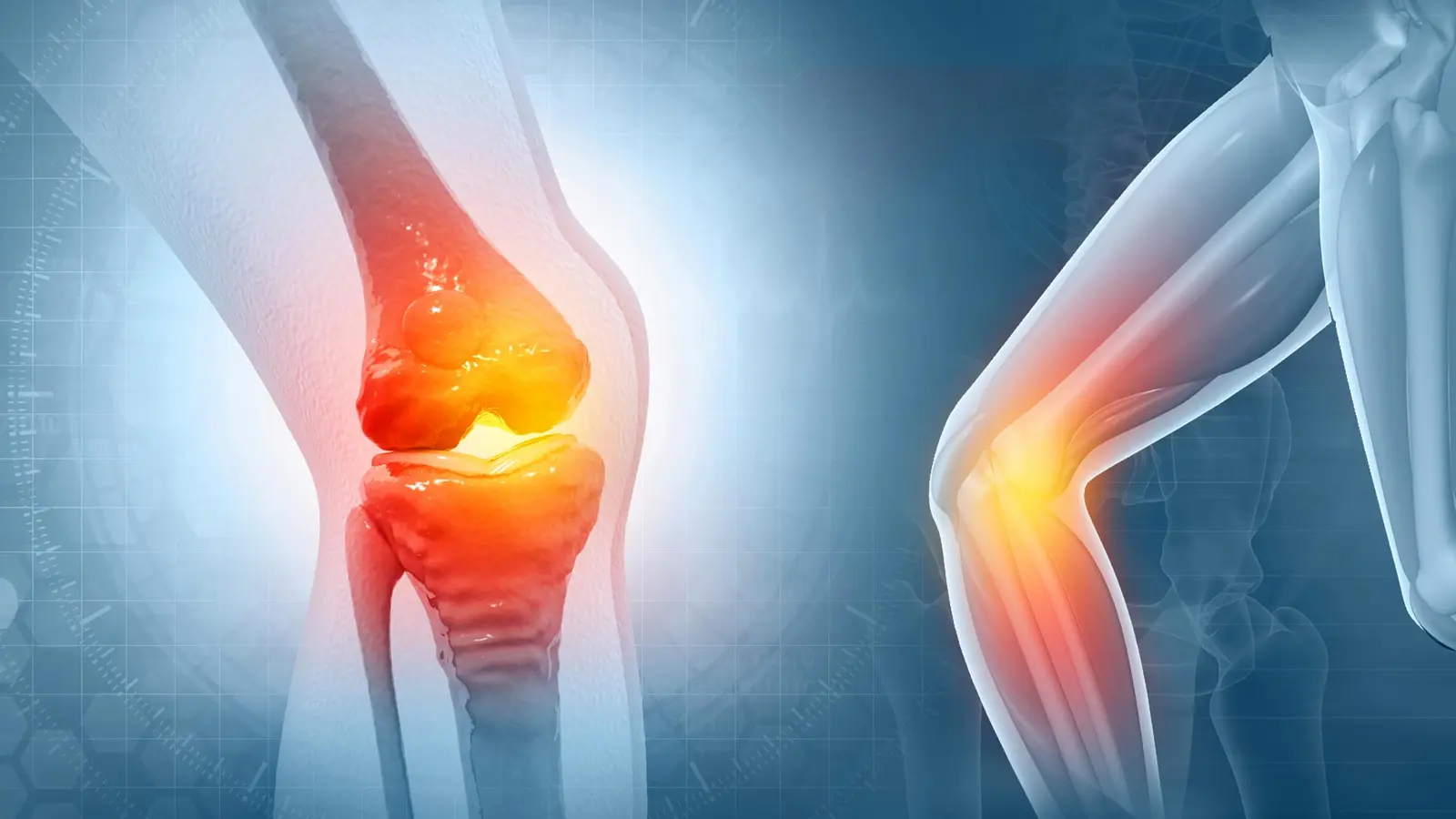
Imagine a world where a single clinic visit mends a joint instead of a knee replacement costing tens of thousands. It sounds like wishful thinking, but a Colorado research team says that, in animals at least, damaged cartilage and aging joints can return to health in a matter of weeks.
The work pairs two complementary strategies. One is a clever repurposing of an FDA-approved drug, loaded into microscopic particles that release medicine slowly after an intra‑articular injection. The other is a lab‑designed biomaterial that surgeons can place into a damaged area, where it hardens and recruits the patient’s own progenitor cells to rebuild cartilage and bone. Short sentence. Big promise.
In multiple animal models of osteoarthritis and joint injury, treated joints showed dramatic recovery in four to eight weeks. Holes in cartilage and bone closed with what the researchers describe as full regeneration. Cells taken from humans undergoing joint replacement also responded positively in lab tests, suggesting the approach may translate beyond rodents and rabbits.
These findings landed the project into ARPA‑H’s Novel Innovations for Tissue Regeneration in Osteoarthritis, or NITRO, program. The agency put up to $33.5 million behind the team’s moonshot. How fast can this go from bench to bedside? The researchers say phase two of development is underway and clinical trials might start within about 18 months if milestones continue to be met.
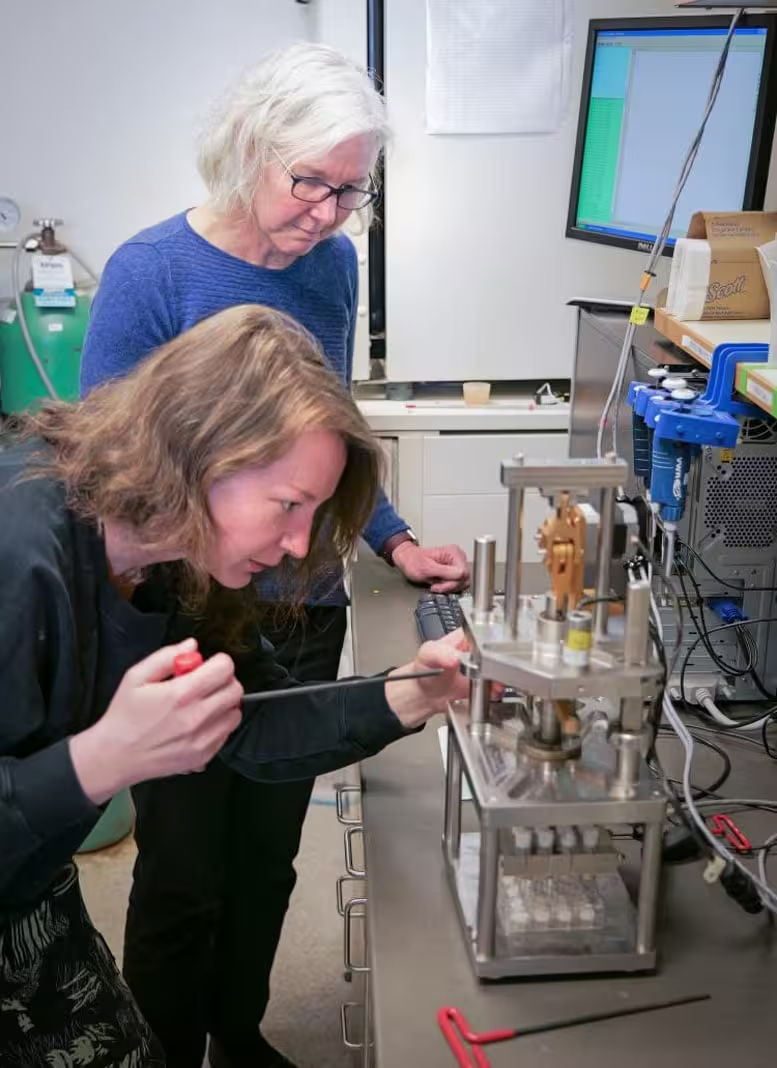
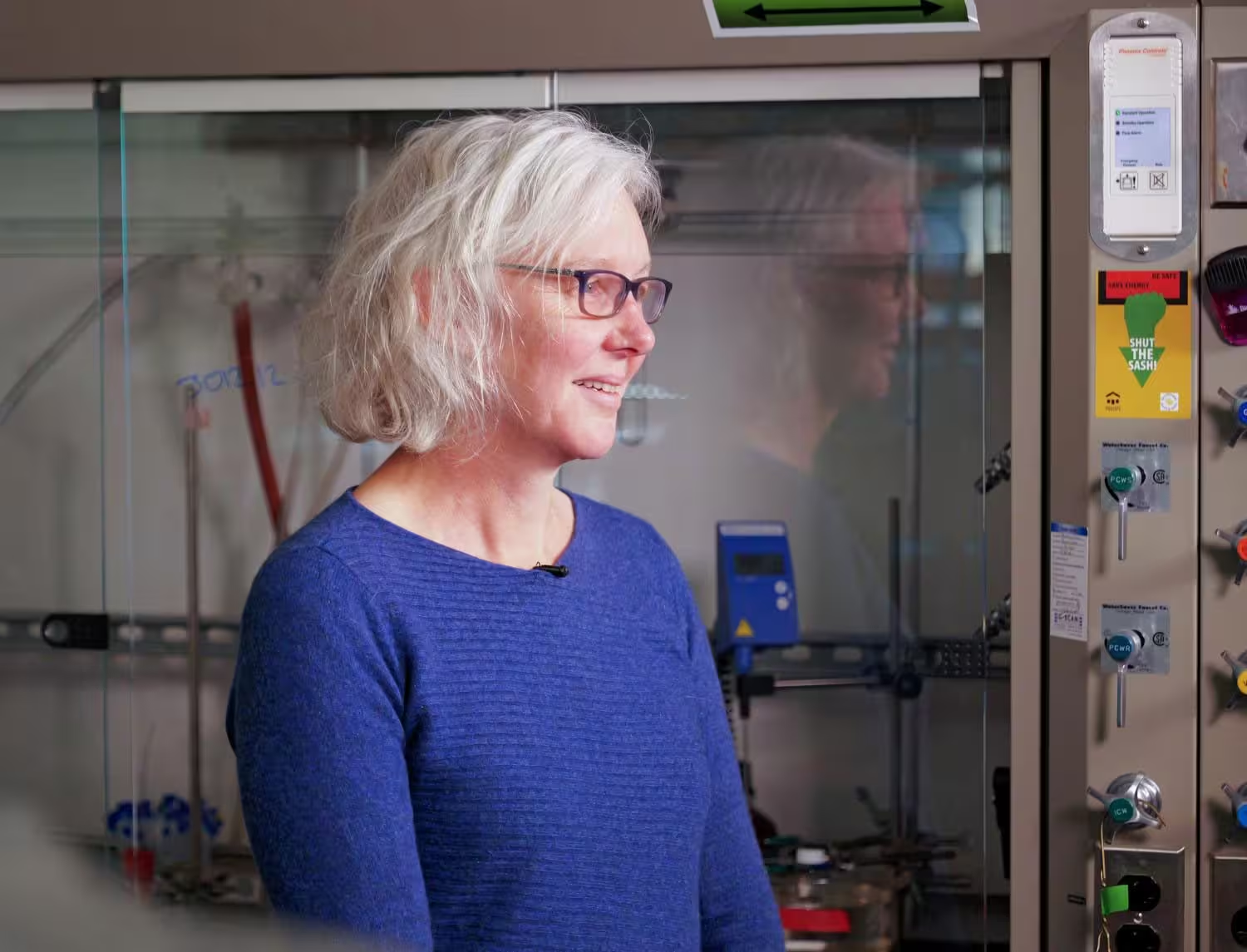
Who’s behind it? A multidisciplinary group from the University of Colorado Boulder, CU Anschutz and Colorado State University led by Stephanie Bryant, a chemical and biological engineering professor at CU Boulder. Dr. Ross Uhrich oversees the NITRO portfolio, and Evalina Burger, chair of orthopedics at CU Anschutz, has followed the work closely, seeing a real gap in options for patients who are too young for joint replacement yet need more than painkillers can offer.
The particle approach is low‑intervention by design: inject once, and polymer vehicles dole out therapeutic doses slowly over months, concentrating repair where it’s needed and reducing systemic exposure. The biomaterial repair system, by contrast, is meant for focal damage—surgeons place a precursor material into the lesion, then trigger it to harden into a scaffold that signals the body to send repair cells and remodel both cartilage and underlying bone.
Regeneration is the buzzword. But the team is careful not to oversell a single experiment. These are controlled animal studies, not human trials. Still, seeing structural restoration rather than mere symptom relief is a crucial difference. Most current treatments manage pain or replace the joint entirely; few intervene to restore tissue architecture and function.
Cost and access matter just as much as biology. Bryant and her colleagues envision a low‑cost, minimally invasive option for people in the early stages of osteoarthritis, and a single‑visit arthroscopic fix for those with localized defects. Renovare Therapeutics, a startup spun out of the project, will shepherd commercialization if clinical testing supports safety and efficacy.
There are always questions. Will the regenerative response be durable over years? Can this scale to large human joints under the mechanical loads of day‑to‑day life? What about immune responses or off‑target effects? The team plans to publish the animal data in a peer‑reviewed journal later this year and will use those results to refine regulatory and trial plans.
For patients trapped between conservative care and life‑altering surgery, a therapy that restores tissue rather than replaces it would change expectations. The next 18 months will be telling. If the early momentum holds, the era of treating osteoarthritis by regeneration instead of replacement may arrive sooner than most of us expected.


Leave a Comment
Comments
No comments yet. Be the first.