
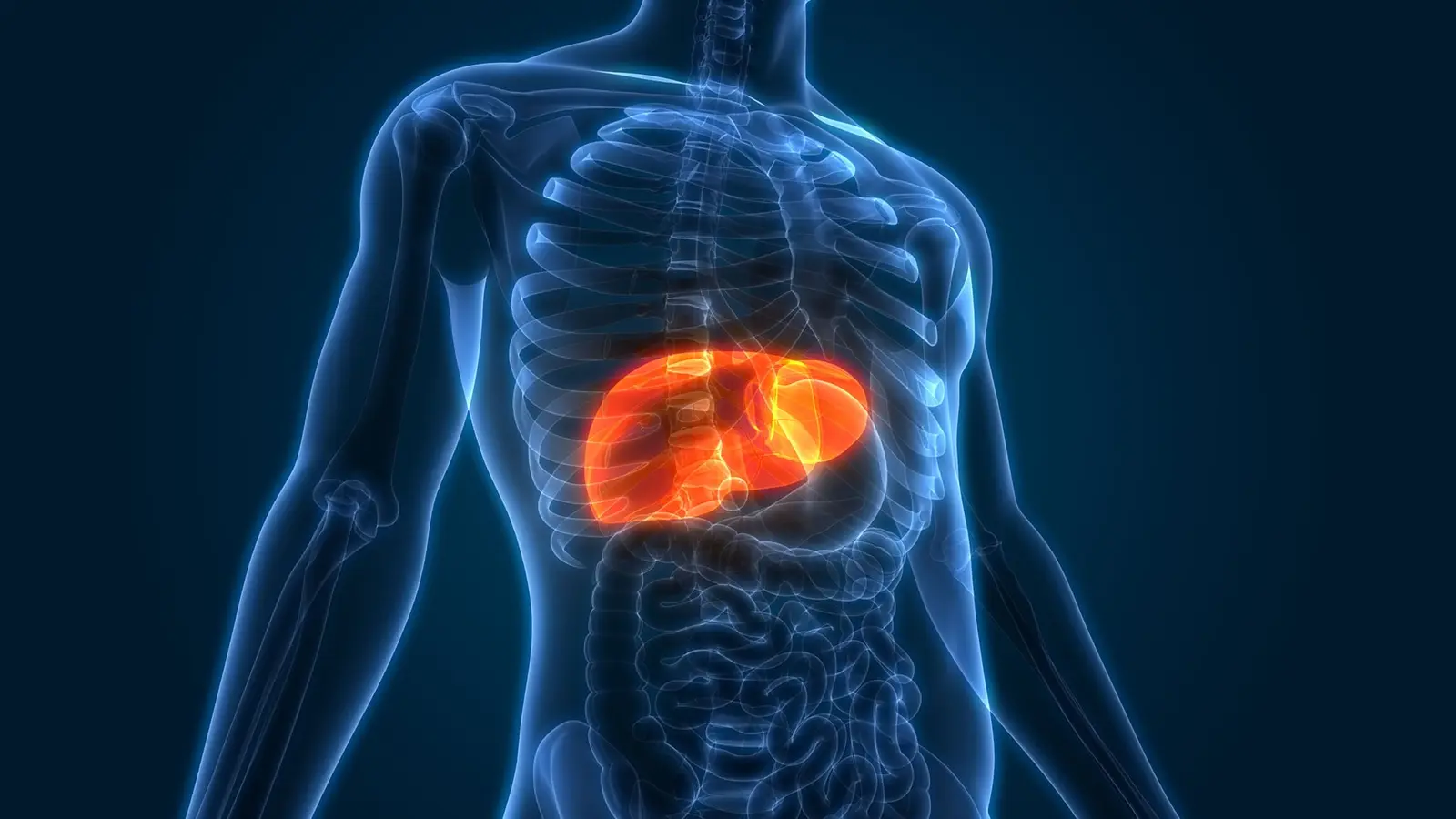
Imagine a syringe replacing a scalpel. Shorter recovery. Less risk. A tiny injection that holds a failing liver together until something better arrives.
Researchers are developing injectable liver grafts designed to do exactly that: act as an alternative to invasive surgery and, when needed, serve as a bridge to transplantation. These gel-like grafts can be delivered through minimally invasive procedures and begin supporting liver function almost immediately, providing crucial time for patients and clinicians.

Researchers used a microfluidic device to generate hydrogel microspheres of uniform shape and size. These spheres are then mixed with hepatocytes and injected into the body, where they form stable mini livers.
There is another practical advantage. Need a follow-up treatment? A repeat injection is far less traumatic than opening the body again. That flexibility could change how doctors think about staged therapies, shifting from rare, high-risk operations to repeatable, bedside interventions.
But this approach is not without hurdles. With the current formulations, patients would likely require systemic immunosuppressive drugs to prevent rejection. That remains a significant clinical burden, especially over the long term.

The microspheres (green), hepatocytes (magenta), and supporting fibroblasts (orange) assemble and reorganize into engineered liver grafts over time. Image shows a comparison of day zero (left) and day fourteen (right) of the grafts cultured in the laboratory.
Teams in the field are already tackling that problem. One strategy is to engineer hepatocytes that fly under the immune system's radar, so-called stealth cells that avoid detection and attack. Another is to embed tiny hydrogel microspheres within the graft that release immunosuppressants directly at the implant site, concentrating therapy where it is needed and limiting whole-body exposure.
Both ideas aim to make injectable grafts safer and more practical, turning a stopgap solution into a durable one. The question now is how quickly these innovations can move from lab benches to bedside care—because for many patients, time is the most precious resource.


Leave a Comment
Comments
No comments yet. Be the first.