

4 Minutes
When an erection falters, it can feel like a private failure. Yet for doctors scanning for early signs of illness, that same falter can be a glaring red flag.
Erectile dysfunction is often an early, visible warning of hidden vascular and metabolic disease. The mechanics behind an erection are deceptively complex: hormones, nerves, blood vessels, and psychology all have to play in tune. Miss a beat in any of those systems and the result can be dysfunction. Sometimes the cause is obvious. Often it is not.
Rates climb with age — between 40 and 70, more than half of men will experience significant erectile problems. Still, surveys show a stubborn reluctance to seek help: as many as one in five men over 55 say they would not mention the issue to a clinician. That silence matters.
Cardiologists have been ringing the alarm. Erectile troubles frequently show up years before a heart attack or diagnosis of coronary disease. A meta-analysis pooling cohort studies found roughly a 1.4-fold greater risk of cardiovascular events in men with erectile dysfunction compared with those without. The connection makes physiologic sense: both the penis and the heart depend on healthy blood vessels. A small clog in the penile microcirculation can be a prelude to larger vascular problems.

There’s an ironic twist to one common treatment. The vasodilator drugs behind Viagra were first investigated for heart disease. They failed to help angina—but they worked spectacularly for erections. That serendipity underscored a deeper link between vascular performance and sexual function.
Endocrinologists and sexologists in Italy recently collected these threads into a single thesis: The Canary in the Coal Mine. The book argues that erectile dysfunction behaves like a biomarker for a range of non-communicable chronic diseases. The message is blunt and useful: noticing and reporting sexual difficulty could accelerate diagnosis and treatment of otherwise silent conditions.
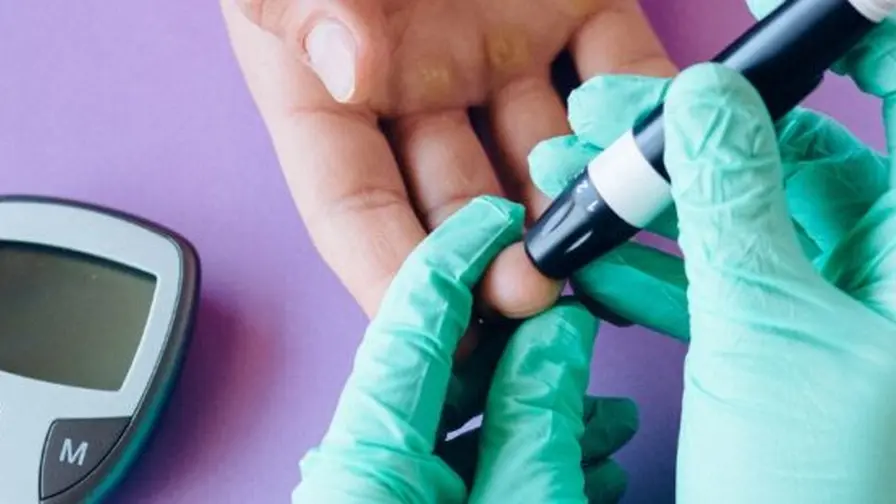
Type 2 diabetes illustrates the point. Half or more of men with diabetes report poor erections, likely reflecting widespread vascular and metabolic stress. In many men, erectile symptoms precede a diabetes diagnosis, suggesting the condition might flag emerging insulin resistance. Researchers point to shared mechanisms — oxidative stress, chronic inflammation, autonomic nerve damage and hormonal shifts — that knit the two disorders together.
Hints of associations keep appearing in unexpected places. Small studies link irritable bowel syndrome and inflammatory bowel disease to higher rates of erectile dysfunction, and a recent review called ED an early clinical marker of cardiometabolic disease. These findings are preliminary, yes. They are also provocative: what if a conversation about erections became a routine early warning screen for systemic illness?
Clinical practice is starting to shift. A consensus panel featuring urologists and cardiologists argued in 2024 that erectile dysfunction should not be relegated to a 'quality of life' problem alone; it belongs in cardiovascular risk assessment. And observational data suggest potential protective associations for men treated with phosphodiesterase type 5 inhibitors — the class that includes Viagra — showing lower rates of cardiovascular death and all-cause mortality in certain population studies. Observational signals are not proof. Randomized trials are needed.
Why does this matter outside the clinic? Because many men delay care for a problem that might give them an early edge against life‑threatening disease. Because a short question from a doctor — Are you having trouble with erections? — can prompt tests that save years of undetected harm. And because understanding sexual health as an integrated piece of overall health could change how we screen, prevent and treat chronic disease.
There is still work to do. High-quality trials must confirm whether detecting erectile dysfunction earlier truly changes long-term outcomes. But the emerging story is clear: listen to the body’s small alarms. They may be warning you of something much larger.














Leave a Comment
Comments (2)
Is this even true? Observational signals sound interesting, but RCTs needed. Also stigma and reporting bias could really mess with the data, right?
wow didnt expect ED could flag heart disease, kinda scary. Makes me wish doctors asked more, so many guys stay silent. Bring it up!!!