
4 Minutes
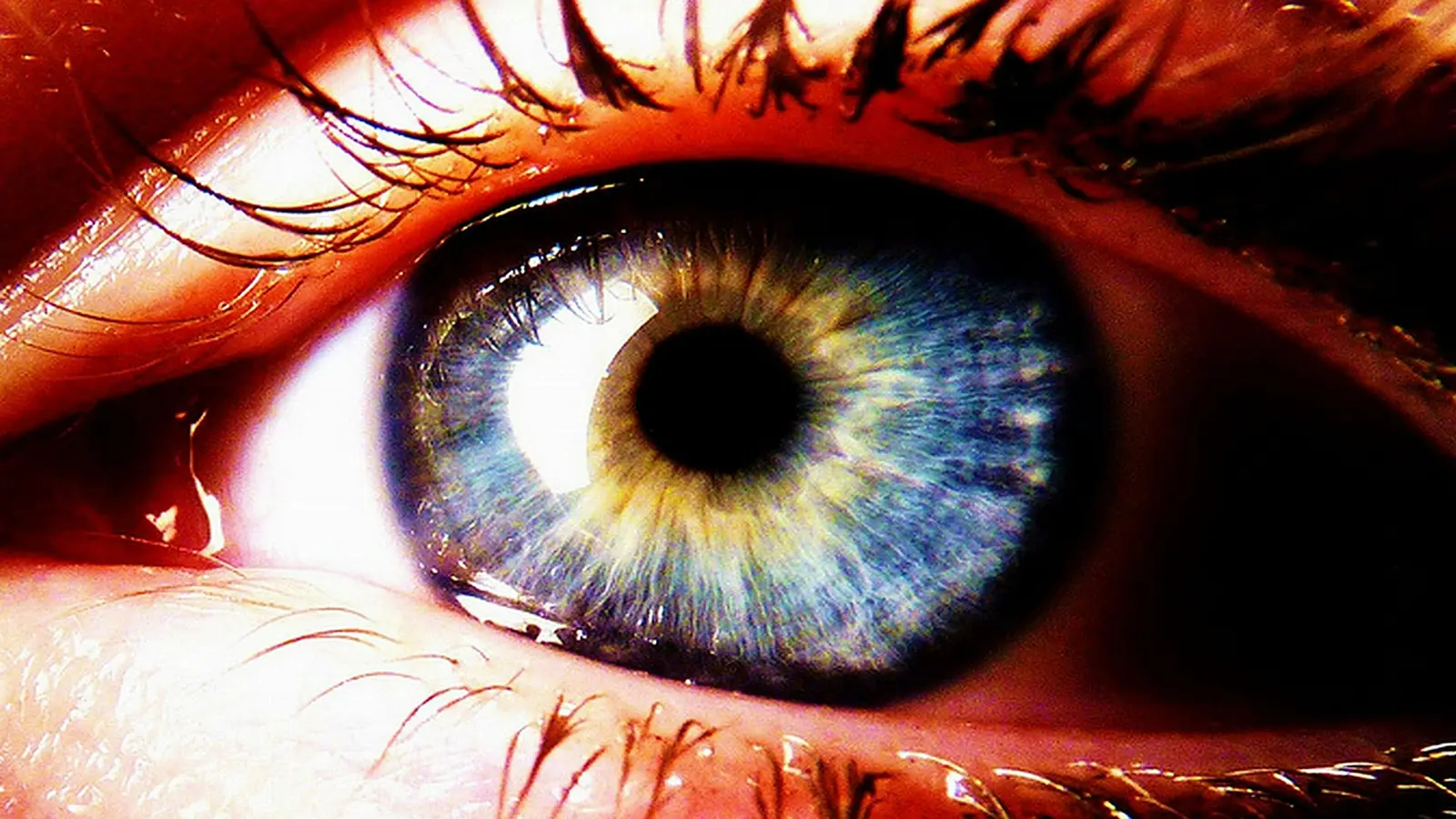
Imagine waking up and finding your world dimmed at the edges. Not blurry. Not gradual. Gone. That is the frightening experience behind ischemic optic neuropathy (ION), a rare but devastating event in which blood flow to the optic nerve suddenly drops and vision can be permanently lost. New analyses now point to a striking difference in reported ION cases between semaglutide formulations—most notably, a signal tied to Wegovy that appears stronger than the one linked to Ozempic.
Study and findings
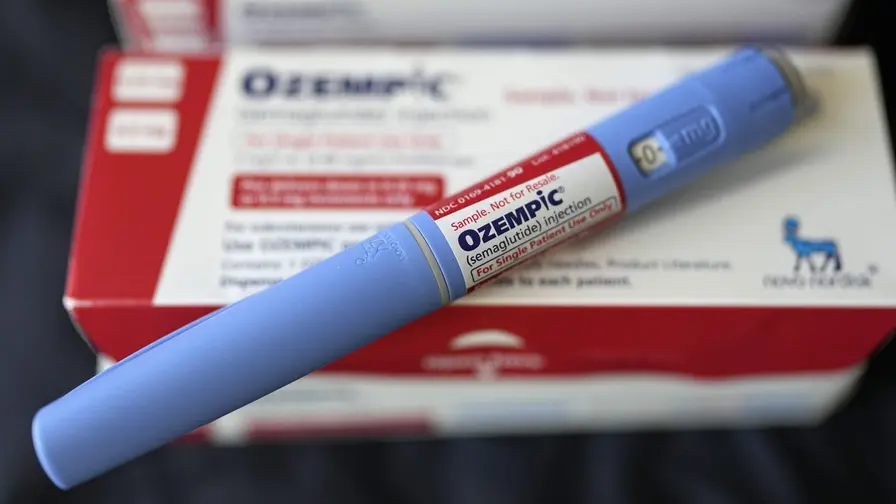
Researchers across Canadian universities mined seven years of data from the US Food and Drug Administration's adverse-event repository, covering 2017 through 2024. The team searched for reports of ischemic optic neuropathy among users of three semaglutide-containing drugs: Wegovy (approved for weight management), Ozempic (for type 2 diabetes), and Rybelsus (an oral semaglutide for diabetes).
The raw numbers are modest but noteworthy given the rarity of ION. From more than 30 million adverse-event entries, the investigators identified 28 reports that associated ION with Wegovy and 47 with Ozempic; no clear pattern emerged for Rybelsus. Adjusting for age and sex, the analysis returned an odds ratio of roughly 4.74 for ION with Wegovy versus Ozempic—meaning Wegovy-related reports of ION were nearly five times as likely as those tied to Ozempic in the FDA dataset examined.
There were additional demographic signals. Men using semaglutide products reported ION about three times more often than women. The paper’s authors stress that these are associations drawn from a spontaneous reporting system, not population-level risk estimates, but they argue the pattern is strong enough to merit urgent, prospective investigation.
Why might different semaglutide formulations show different safety signals? The researchers suggest a plausible hypothesis: Wegovy is typically used at higher doses than other semaglutide drugs. Higher doses may lower systemic blood pressure in some users, and a fall in ocular perfusion pressure could conceivably contribute to ischemic events in the optic nerve. That mechanism remains speculative at this stage and will require controlled clinical studies and physiological data to confirm or refute.
Context and implications for patients and prescribers

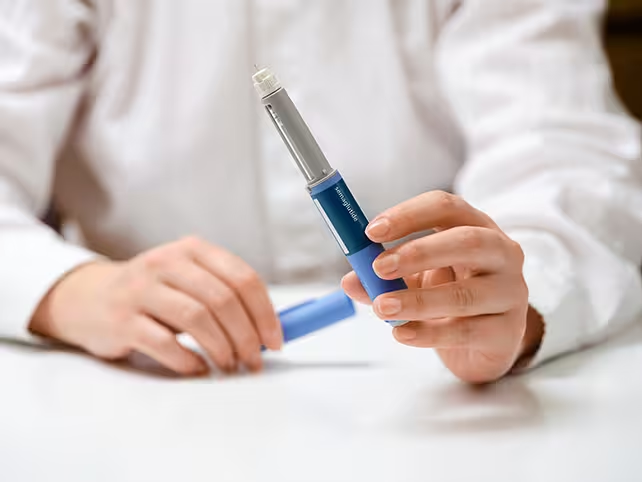
GLP-1 receptor agonists—named for their mimicry of the glucagon-like peptide-1 hormone—have reshaped treatment options for type 2 diabetes and obesity over the past decade. They reduce appetite, slow gastric emptying, and improve glycemic control. Semaglutide, the active ingredient in Wegovy, Ozempic, and Rybelsus, has generated particular attention because of its robust weight-loss effects and wide adoption.
As use has expanded, so has scrutiny. Pharmacovigilance systems in the UK and Europe have flagged visual side effects related to GLP-1 drugs, prompting regulators to review available evidence. Researchers have also linked GLP-1 therapies, in different contexts, to a range of physiological effects beyond glucose and weight control—some beneficial, like possible reductions in certain cancer risks, and others concerning, including mood changes or gastrointestinal complications.
For clinicians, the new analysis is a reminder to weigh benefits and risks case by case. For patients, it underscores the importance of reporting new symptoms promptly. Sudden vision changes should trigger immediate medical attention. Because the FDA adverse-event database relies on voluntary reporting, the counts in the study do not translate directly into incidence rates, and they can be influenced by factors such as how long a drug has been on the market or how widely it has been prescribed.
Study authors call for prospective studies to determine whether the apparent association between Wegovy and ION is causal and dose-dependent. Regulators and prescribing bodies will need robust, controlled evidence to guide recommendations on dosing adjustments, screening, and warning labels.
Expert Insight
"Pharmacovigilance databases are early-warning systems," says Dr. Elena Morris, a clinical ophthalmologist and drug-safety consultant. "They don't prove cause. But when a signal clusters around a particular formulation, it deserves clinical follow-up—especially for an outcome as serious as sudden vision loss. Patients should be informed and watched closely, and researchers should design prospective studies that measure ocular blood flow and visual function before and after dose escalation."
The path ahead is clear: targeted research, attentive prescribing, and public-health vigilance. As healthcare systems embrace potent new anti-obesity and antidiabetic tools, understanding their full spectrum of effects—intended and unintended—becomes essential for safe, effective use.
If you're using a GLP-1 medication and notice abrupt changes in vision, contact your clinician immediately; early evaluation matters.












Leave a Comment
Comments (2)
is this even true? FDA reports are voluntary, tons of bias. but 5x signal for Wegovy sounds big, still need controlled studies. sudden vision change = go to ER, seriously
wow didn't expect vision loss to pop up with these drugs. scary. If higher Wegovy doses drop eye perfusion then ppl should be warned, monitored closely. weird but serious.