
5 Minutes
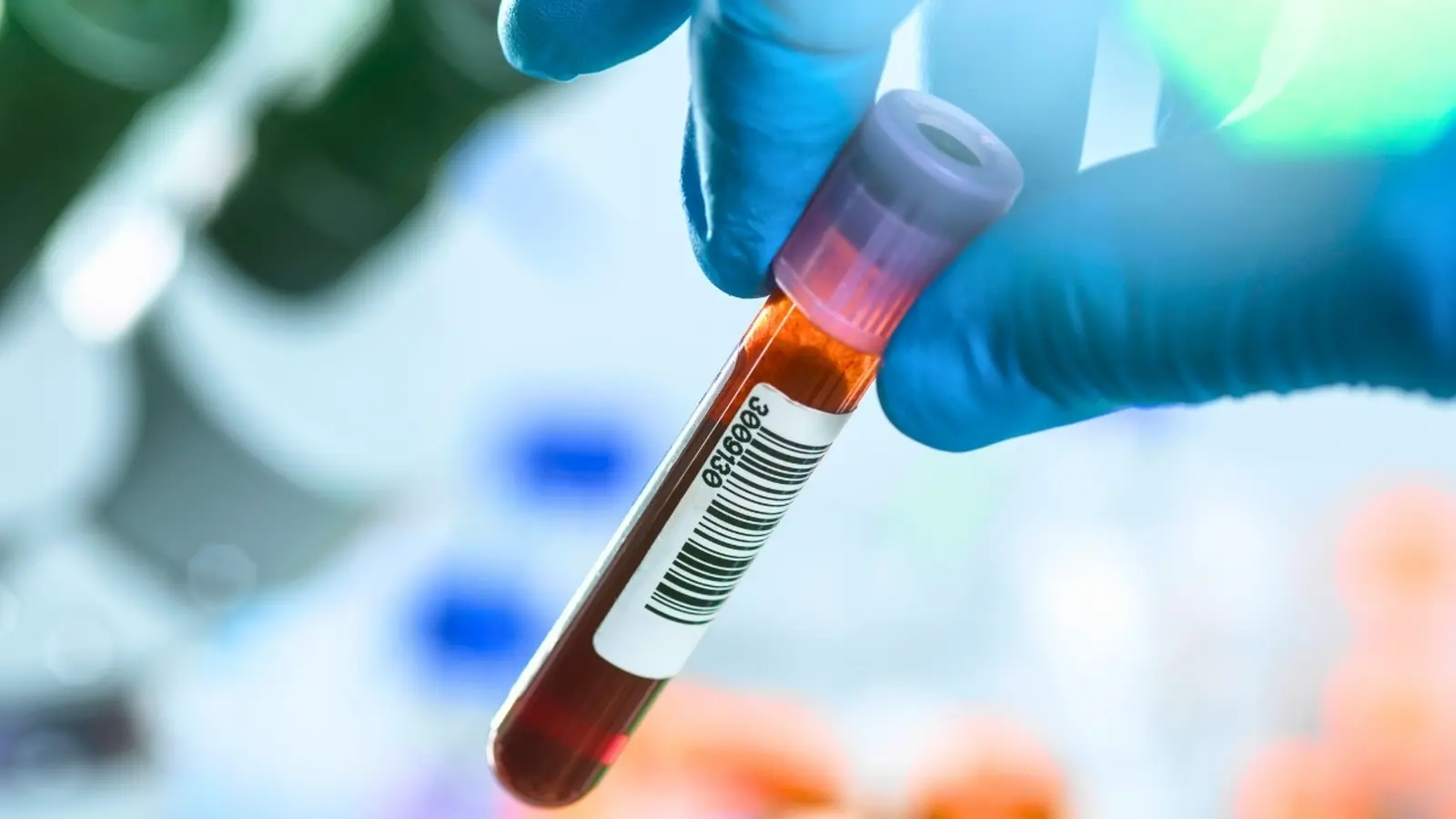
Imagine a single vial of blood acting like a lighthouse for hidden tumours: a quick scan that could spotlight cancers long before pain, lumps or other symptoms appear. The idea is intoxicating. A simple visit to a clinic, a sample taken, and clinicians could survey dozens of organs at once. No wonder the concept of multi‑cancer early detection (MCED) tests has captured headlines, funding and public hope.
How the tests work and why they matter
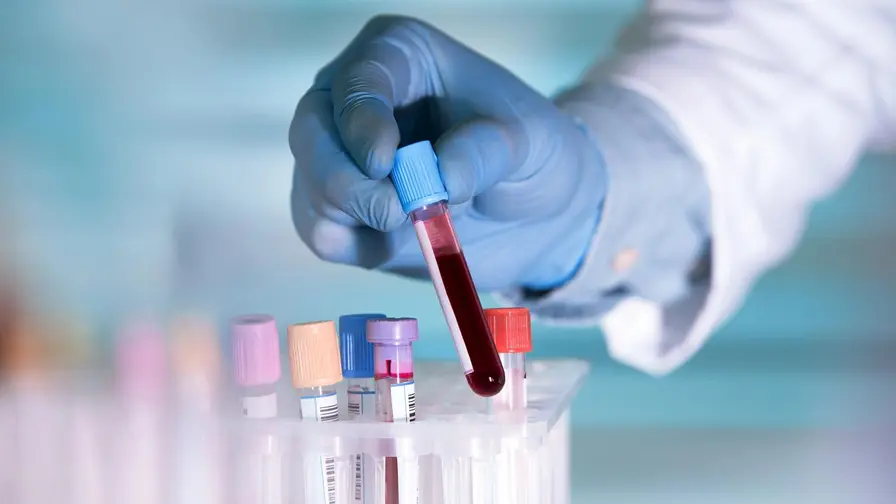
These assays—often called liquid biopsies—search for circulating tumour DNA (ctDNA), tiny fragments of genetic material that fall off cancer cells and drift through the bloodstream. In the lab, high‑throughput sequencers and machine learning models examine patterns in those fragments: methylation signatures, mutation profiles, and fragment length distributions. When a pattern aligns with a known cancer fingerprint, the test raises an alert.
There are real technical feats behind this. Detecting one malignant cell among millions is like hearing a single violin in a stadium concert. Advances in sequencing depth, error suppression chemistry and bioinformatic pipelines have pushed sensitivity further than a decade ago. For patients at high genetic risk or those under tight surveillance after therapy, such tests can already provide actionable information—helping to detect relapse earlier or to guide targeted treatment choices.
Yet early detection is not the same as proven mortality benefit. Does finding a tumour earlier always save lives? Not necessarily. Screening must do more than reveal disease; it must do so in ways that lead to better outcomes than the alternative of waiting for symptoms. That distinction is central and often overlooked by breathless reporting.
What real‑world studies reveal: sobering limits
Large clinical studies and pilot programmes have tempered some of the initial euphoria. In a substantial UK trial involving tens of thousands of participants, many cancers that later manifested were missed by the blood tests. Sensitivity varies markedly by cancer type and stage. Some aggressive tumours shed abundant ctDNA and are easier to flag. Others—especially indolent or early‑stage cancers in certain organs—release far less genetic material, slipping under the detector's radar.
False reassurance is a real hazard. A negative result is often interpreted by patients as a clean bill of health. But that interpretation can delay presentation to primary care when new symptoms arise. Human behaviour matters. If people trust a single test to rule out disease, they may ignore persistent coughs, unexplained weight loss or new lumps—symptoms that still warrant medical review regardless of a prior negative liquid biopsy.
False positives are the flip side. Tests sometimes flag signals that do not correspond to a clinically relevant cancer. That triggers a cascade: additional imaging, invasive biopsies, anxiety, and use of limited specialist resources. Health systems operating near capacity risk becoming overwhelmed by follow‑up investigations that produce little benefit but substantial cost and stress.

Cost is not trivial. Developing, validating and deploying sequencing‑based tests demands capital, laboratory staff and diagnostic infrastructure. Invest at scale before robust evidence is in hand and you risk displacing proven public‑health measures—vaccination campaigns, smoking cessation programmes, and established screening like mammography and colonoscopy—that demonstrably reduce cancer deaths.
How to assess claims and protect yourself today
If you are offered an MCED test—or invited into a trial—ask specific questions. What is the test's sensitivity for the cancers you're most worried about? How often will testing be repeated? Who interprets ambiguous results, and what diagnostic pathway follows a positive signal? Trials conducted through academic centres or national health services are the appropriate route for resolving these questions: they collect outcomes, monitor harms, and measure whether earlier detection actually changes survival.
Private, consumer‑facing offers exist too. If considering one, clarify the post‑test plan. Will you have rapid access to confirmatory imaging? Is there a defined algorithm to avoid unnecessary biopsies? Will test interpretation be integrated with your clinical team? If not, proceed cautiously.
Above all, keep the basics. Screening modalities such as cervical cytology, mammography and colorectal screening evolved through rigorous trials showing net benefit across populations. They can miss cancers and produce overdiagnosis, yes, but they rest on decades of evidence. Liquid biopsies should be judged by the same standards: do they reduce death and suffering, not just find more abnormalities?
Expert Insight
"The technology is elegant, but the question is impact," says Dr. Elena Morris, clinical oncologist and director of translational diagnostics at Meridian Medical Centre. "We are seeing clearer signals in some cancers than others. For now, these tests are best deployed where they complement existing care—surveillance after treatment, or targeted screening in high‑risk groups—rather than as blanket population screening. Evidence will catch up to enthusiasm, but we must not shortcut that process."
Dr. Morris's point is practical. Not every promising lab assay deserves a fast track into routine use. Medicine has a long memory of interventions that looked inevitable until outcome trials showed harm or no benefit. Introducing population‑level testing without stable evidence risks widening inequality: those who can pay may access extra diagnostics while others rely on underfunded primary care and proven screening programmes.
There is optimism, though—measured and technical. Improvements in assay design, larger prospective cohorts, and integration with other biomarkers (imaging, protein signatures, clinical risk scores) could raise both sensitivity and specificity. Emerging workflows envision a tiered approach: an inexpensive initial screen followed by targeted panels or imaging for positives, reducing unnecessary downstream work. That architecture may be how liquid biopsies find a responsible role in cancer control.
Until then, keep asking questions. If invited to a clinical trial, participate; trials are how science separates bright ideas from useful medicine. If you experience worrying symptoms—new lumps, persistent cough, unexplained bleeding, ongoing weight loss—see your GP regardless of any prior test. Trust your body and the slow machinery of evidence. Science will likely add blood tests to the toolkit for cancer in time. For now, they are a promising tool, not a panacea.












Leave a Comment
Comments (2)
if that's the future cool, but I saw a pilot where lots of cancers were missed. Surveillance after treatment makes sense tho. Not for everyone, esp not as a one-stop test
Sounds amazing on paper, but is it ready? False negatives worry me, people could ignore symptoms. Followup scans, anxiety, costs... messy