

5 Minutes
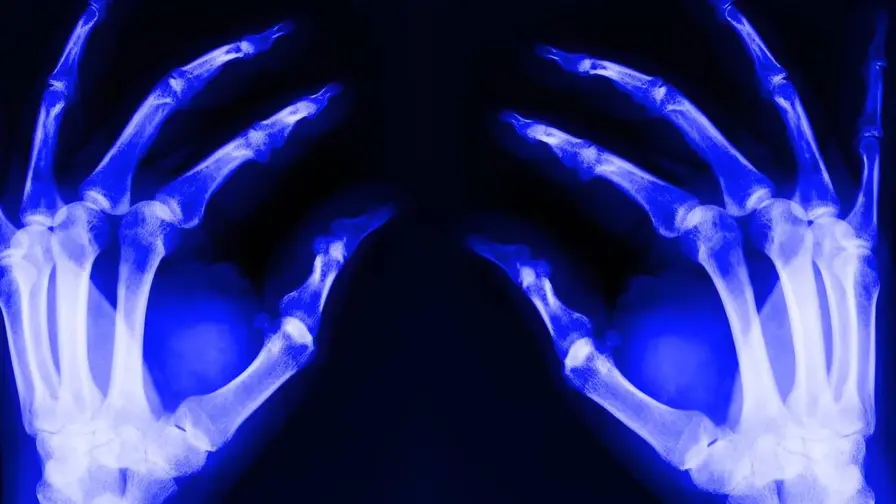
You say it every winter: "I can feel it in my bones." It’s a colloquial complaint, a shared shiver, and — as it turns out — not entirely poetic or wholly wrong. The sensation people describe as cold sinking into the skeleton is a composite of physiological responses across skin, nerves, blood vessels and connective tissue. What feels like a single, deep chill is actually the body’s thermoregulatory system, local tissue mechanics and nervous-system signaling working together.
How the air, humidity and your clothing change heat flow
Cold weather doesn't assault the bones directly. It first alters the thin film of warm air that clings to the skin. In humid climates, like much of the UK, moisture in the atmosphere removes that insulating layer faster and transfers heat away more efficiently. Fabrics soaked by humid air or perspiration conduct heat away from the body; water conducts heat about 70 times faster than air, a simple physical fact that explains why damp cold feels brutal.
Human bodies operate most efficiently near 37°C. Peripheral tissues — fingers, toes, ears — typically run several degrees cooler, and individual baseline temperatures vary with age, sex and health. Older adults often feel cold more acutely; women frequently report greater cold sensitivity than men. These differences alter how quickly the warm layer around the skin is lost and how readily shivering or behavioral changes kick in to preserve core temperature.
Why bones seem involved: the periosteum and pain signaling
Bones themselves lack the dense complement of temperature-sensitive receptors found in skin, which makes sense: most bones lie beneath layers of muscle, fat and connective tissue. But the outermost lining of bone, the periosteum, is richly innervated. Picture a fishnet of sensory nerves wrapped around the bone’s surface; those neurons detect deformation, injury and changes in mechanical strain. When connective tissues tighten and joints stiffen in the cold, the periosteal nerves experience altered mechanical inputs and can convey sharp or aching sensations to the brain.
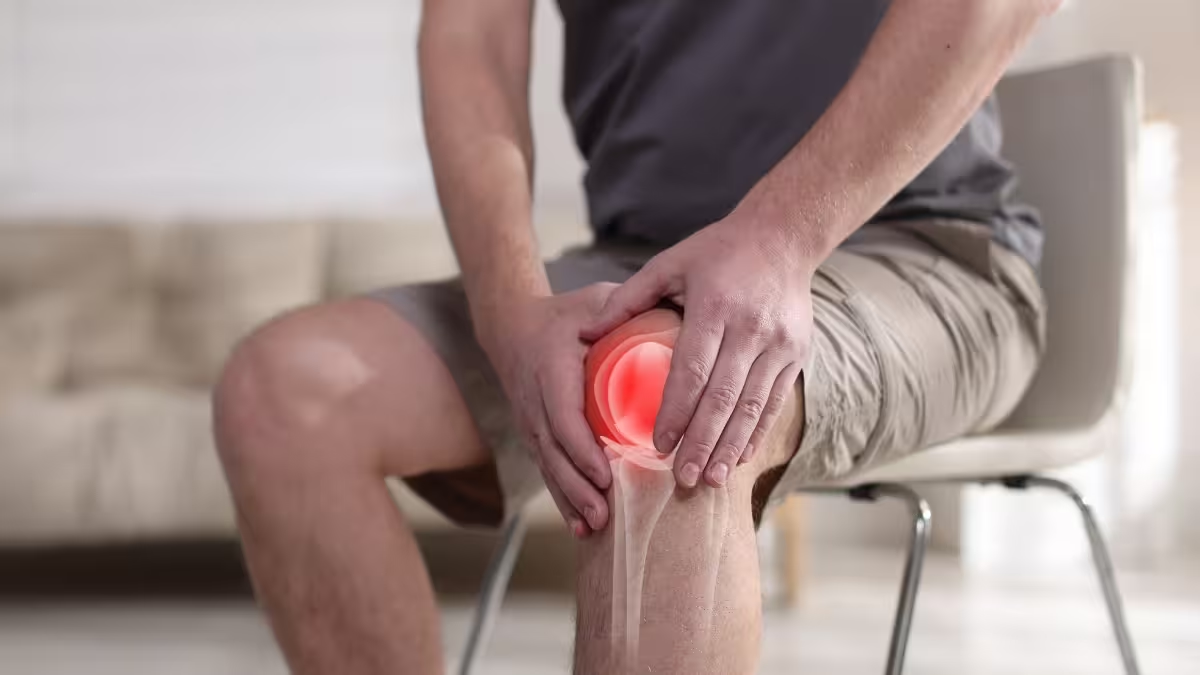
The lubricant of most major joints becomes thicker when temperatures decline.
Synovial fluid, the viscous medium that eases joint movement, becomes more sluggish as temperatures fall. Tendons and ligaments stiffen. Muscles produce less force at lower temperatures and require greater effort to achieve the same movement range. Together, these mechanical shifts increase strain on receptors in and around bone, which the nervous system may interpret as pain or discomfort that people describe as "deep" or "in the bones." Reduced local blood flow compounds the effect: vasoconstriction diverts heat toward the core to protect vital organs, leaving extremities colder and less well perfused.
Vitamin D, mood and the perception of cold
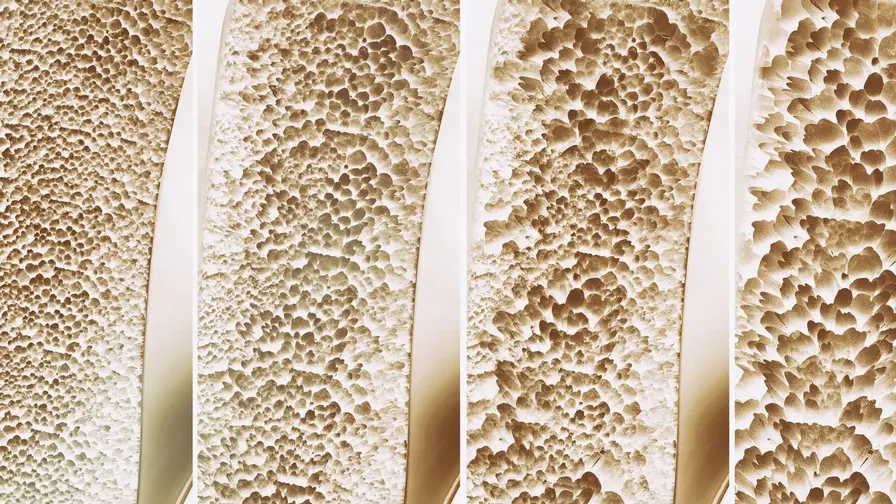
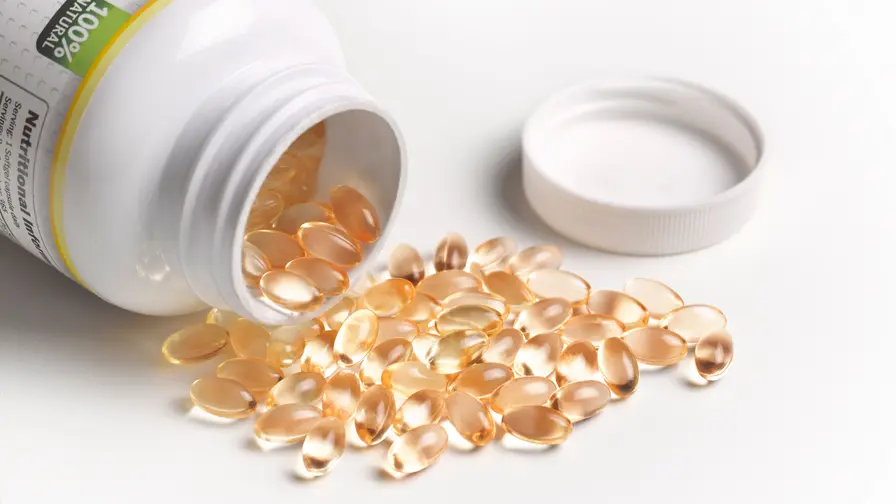
Seasonal differences in sunlight change how cold feels in subtler ways. Sunlight stimulates vitamin D synthesis in the skin; in darker, overcast months many people produce less vitamin D. Clinically, vitamin D deficiency is associated with poorer bone health and conditions such as rickets and osteomalacia, but it also appears to influence pain sensitivity. Several studies suggest lower vitamin D correlates with higher musculoskeletal pain. The compound’s role in nervous-system modulation — and in mood regulation — means deficiency can change how people experience and tolerate discomfort.
Grey skies do more than limit vitamin D. They alter mood and arousal, increasing anxiety or depressive symptoms in susceptible individuals. Those changes can lower temperature tolerance, so damp, dark cold often feels harsher than the same temperature under bright sun. In short: a sunny, dry 2°C feels less penetrating than a damp, gloomy 6°C.
Practical physiology: what helps and why
Behavioral and nutritional choices matter. Layering traps insulating air next to the body; activity generates metabolic heat and improves circulation to extremities; adding modest calories fuels the thermogenic processes that raise body temperature. From a medical perspective, the advice is straightforward: preserve core temperature, keep peripheral tissues moving, and address any underlying joint disease or vitamin D insufficiency that might amplify discomfort.
Keeping your core warm, staying active, and maintaining healthy vitamin D levels reduce the aches and stiffness people commonly blame on "cold bones."
Expert Insight
"The phrase 'in your bones' captures a layered biological response," says Dr. Emily Carter, a fictional professor of human physiology with 20 years of clinical and research experience. "The feeling is rarely a direct sensation from bone tissue. It’s the periosteum, joint mechanics and vasculature that change when temperature drops, and those changes are relayed to the brain as discomfort. Treat the system — circulation, lubrication, and tone — and the sensation usually improves."
Dr. Carter adds that simple interventions are surprisingly effective: "Wear breathable layers that trap air, stay mobile even with short walks, and if you live in a low-sun region during winter, check your vitamin D with a healthcare professional."
Biomedical research continues to refine how temperature, hydration and connective-tissue mechanics interact at the microscopic level. Ongoing studies explore how peripheral nerve endings in the periosteum modulate pain and whether targeted therapies can reduce cold-induced musculoskeletal pain without blunting the body's protective thermoregulatory responses.
Cold can feel personal and inescapable. But the sensation usually signals an orchestrated physiological response rather than a direct chill in the marrow — and that means practical steps can often make a big difference. Try them this season and see whether that familiar phrase fades from complaint to anecdote.










Leave a Comment
Comments (2)
Is this even true? Vitamin D linked to pain?? Sounds plausible but wanna see the studies, sample sizes, confounds etc. IDK, feels a bit inconclusive
Wow, didn't expect bones to be indirect, periosteum?? Mind blown. Makes sense tho.. gonna wear thicker socks and try to get sun when I can