
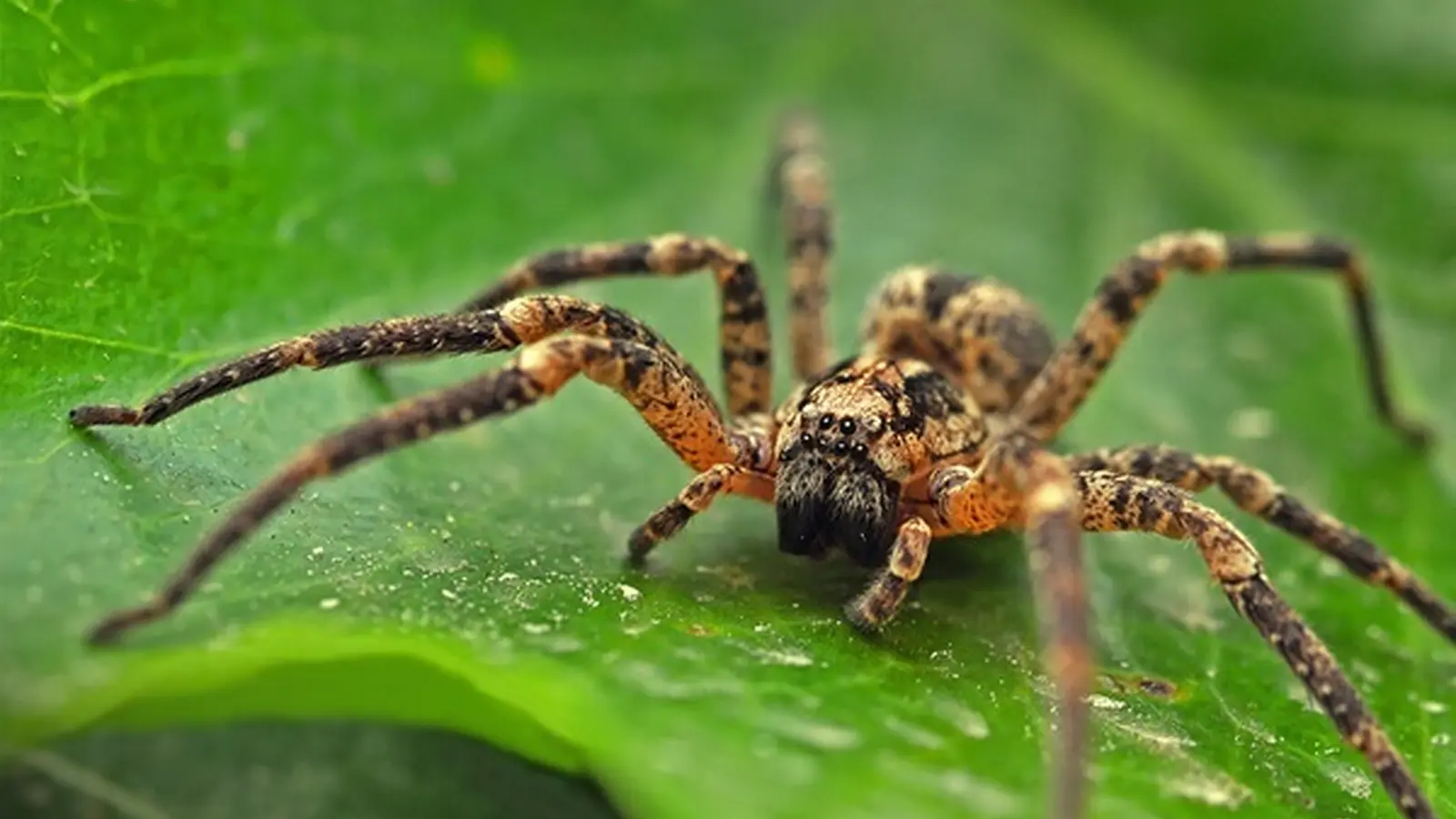
Imagine a tiny spider carefully grooming each leg before settling upside down on a silken hammock. Strange? Yes. Charming? Absolutely. New work from researchers at the University of Bonn now shows this ritual is more than hygiene — it signals structured sleep.
Scientists studying the jumping spider Portia fimbriata watched individuals prepare a small silk cradle, methodically clean all eight legs, then tuck themselves into an immobile pose. But the stillness was punctuated. Legs twitched. Eyes shifted. Periods of quiet gave way to short bouts of activity that look a lot like the REM phase familiar to mammals.
These aren't idle observations. Investigators tested spiders under different light conditions, monitored responsiveness, and even interrupted their sleep. When exposed to a disturbance — fruit flies released into the enclosure to keep them awake — spiders compensated the next night, spending nearly 80 percent more time in those active, REM-like bouts. They also showed reduced reactions to sounds during those episodes, meeting classic behavioral criteria for true sleep rather than mere rest.
Earlier work in 2022 hinted at this pattern: translucent juveniles revealed tiny retinal movements during rest. But until now, it wasn't clear whether those flickers reflected sleep stages or just twitching. The new study ties those movements to a broader sleep architecture: a quiet phase and an active phase, separated in time and regulation.
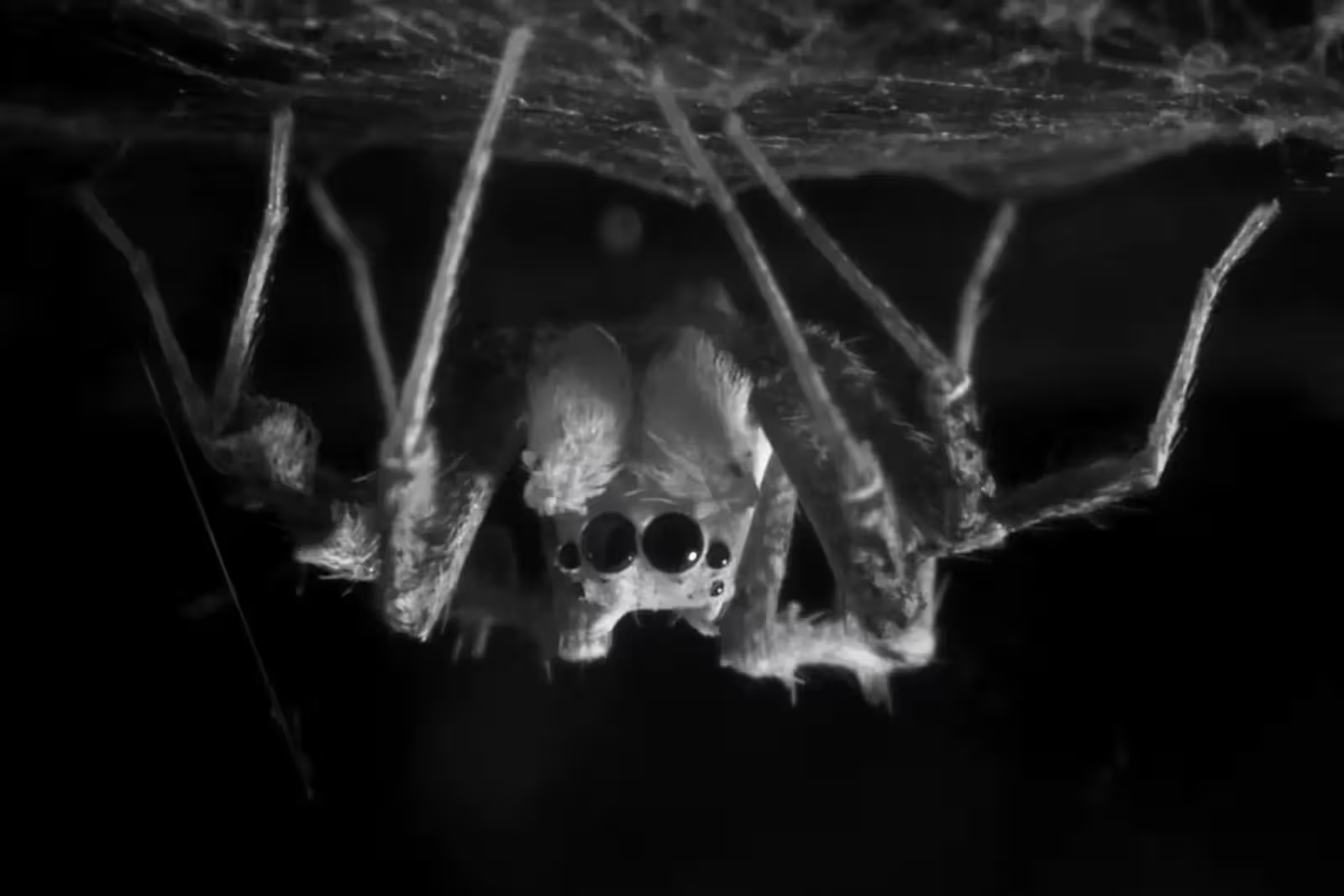
Spiders show two distinct sleep stages and exhibit rebound sleep after deprivation, strong evidence that they truly sleep.
Do these REM-like episodes mean spiders dream? That is a trickier question. In humans, REM correlates with vivid dreaming. But dreaming presumes subjective experience, and inferring inner life in an animal with a radically different nervous system is fraught. The authors — Nadia Geiger and Daniela Russel among them — caution that similar physiology does not automatically imply similar mentation.
Still, the implications are wide. Spiders split from our lineage hundreds of millions of years ago. Finding patterned sleep in arthropods — alongside reports of REM-like states in octopuses — suggests that complex sleep architecture may have evolved multiple times or that its roots run deeper than we thought. Future experiments aim to map neural activity during these stages and test whether daytime experiences are replayed or consolidated at night.
Researchers also plan to expand their survey to other spider species and probe environmental pressures: how will artificial night lighting or shifting climates alter these fragile sleep cycles? The study, published in PNAS, opens a small door into the nocturnal lives of an often-overlooked animal — and leaves us wondering what, if anything, passes behind those many tiny eyes as the legs begin to twitch.


Leave a Comment
Comments
No comments yet. Be the first.