
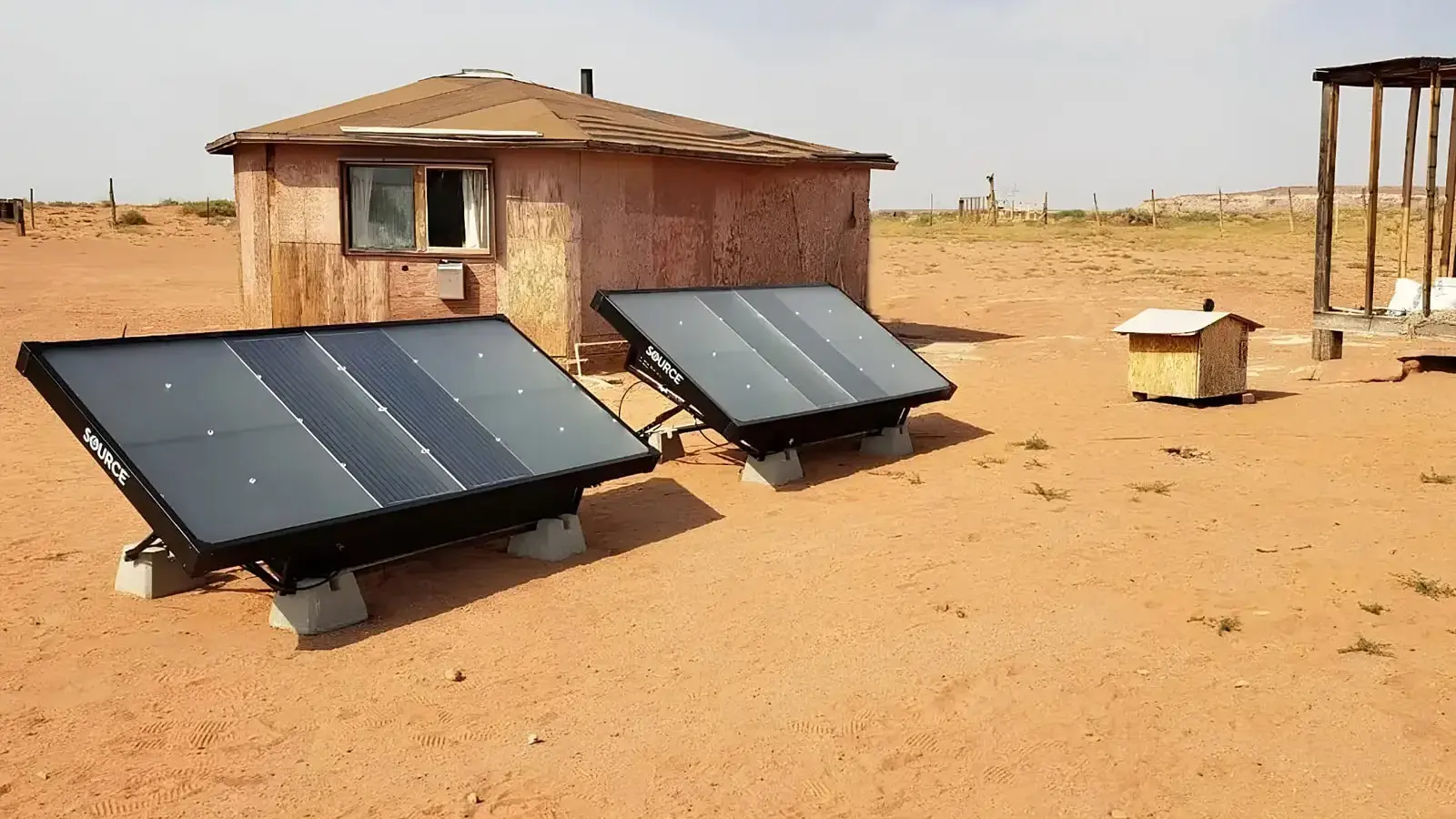
Imagine a sunlit slab on your roof quietly pulling water out of a parched sky. Sounds like magic. But until recently, it was also a promising commercial venture: SOURCE Global, once known as Zero Mass Water, built hydropanels that used sunlight to harvest atmospheric moisture and turn it into potable water.
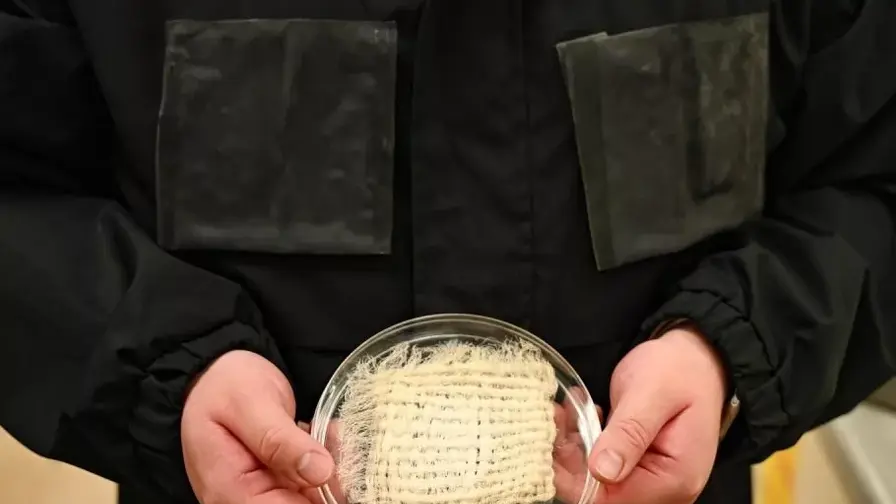
The idea was elegantly simple. Solar energy powers small fans that draw air into a sealed chamber. A sorbent material grabs vapor. The same sunlight heats the sorbent, releasing moisture as vapor, which then condenses into liquid and fills a reservoir. Minerals such as calcium and magnesium are added before the water is dispensed. A neat loop, especially for homes off the grid or communities without reliable wells.
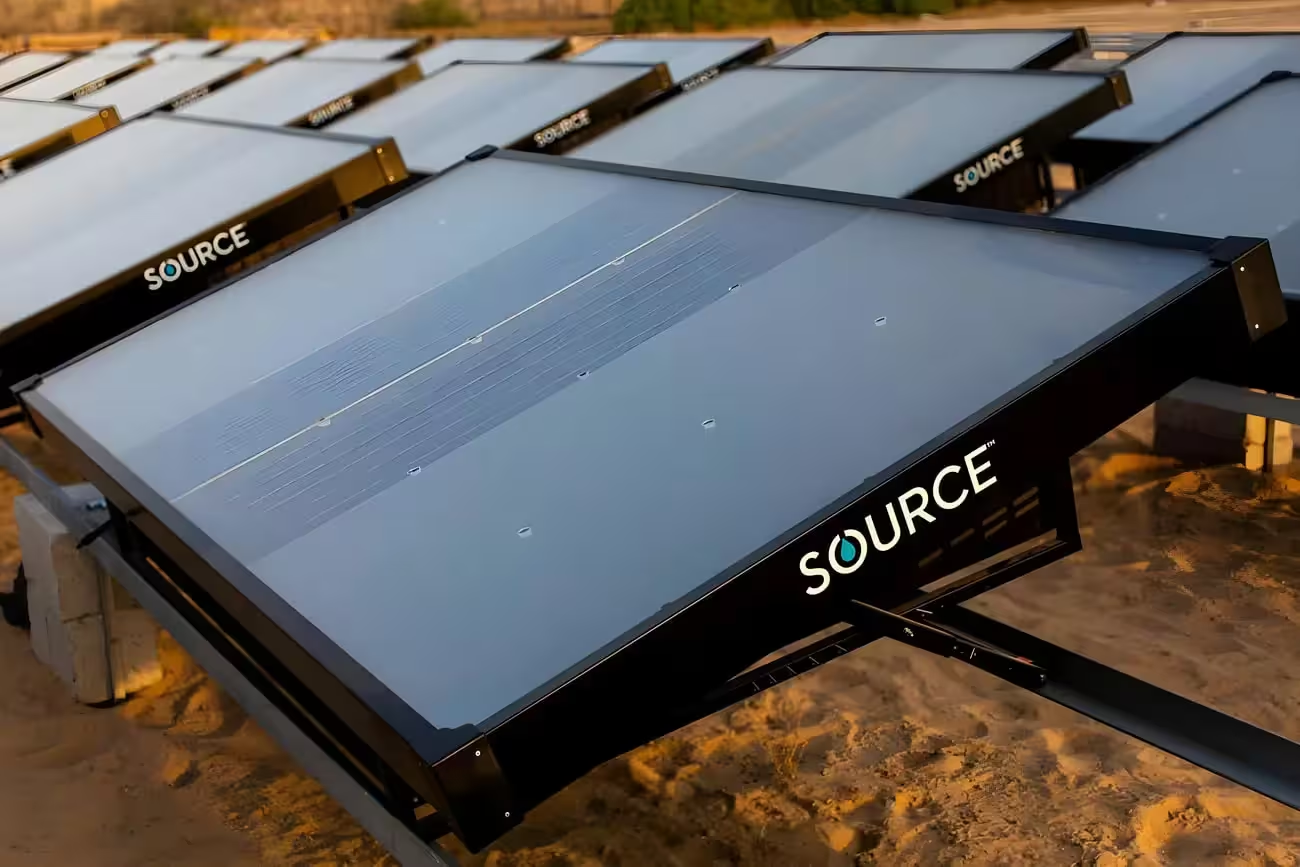
Numbers mattered. SOURCE claimed each panel could produce roughly 2.5 liters per day in dry climates and more than 3.5 liters in humid ones, with some models reportedly operating even at relative humidity near 10 percent. But those figures always came with caveats: output varies with humidity, solar irradiance and local conditions. Low humidity does not mean high yield; efficiency drops steeply as the air grows thinner.
There were practical hurdles, too. In 2023 a typical residential panel was priced around 2,950 dollars and sold in pairs, meaning upfront costs could quickly add up. Filters and cartridge replacements add recurring expenses. And equipment meant for remote deployment must be exceptionally robust, with spare parts and skilled service available long after the sale. That last requirement is often the most expensive to meet.
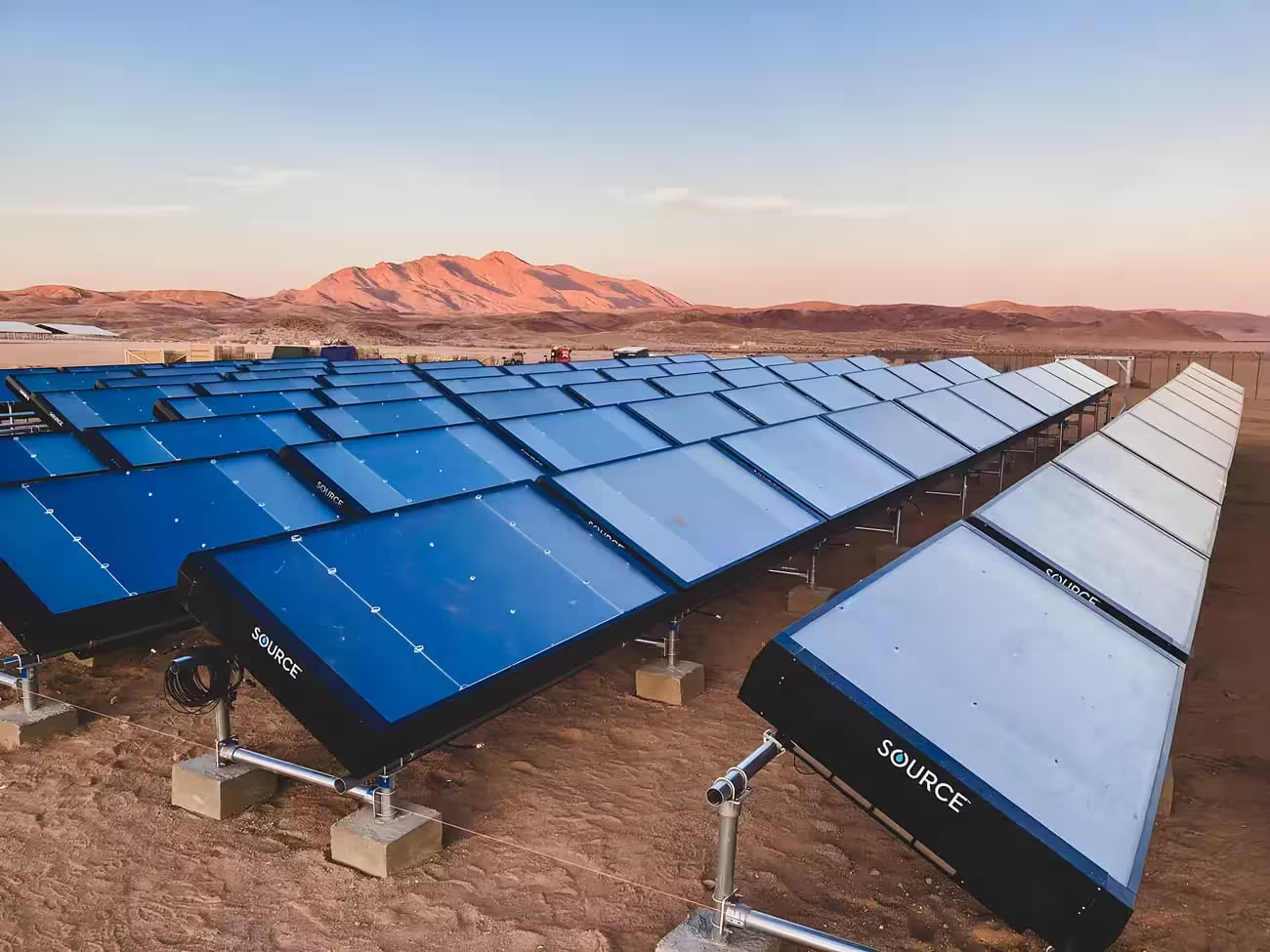
Investors noticed the promise. SOURCE pulled in headline-grabbing backing from heavyweight funds and climate-focused investors, names linked to Bill Gates, BlackRock and Microsoft’s climate innovation initiatives among them. By mid-2022 the company announced new funding that pushed total investment to roughly 270 million dollars, and boasted installations in more than 50 countries.
Then the narrative shifted. Founder Cody Friesen left in 2025. A planned financing round aimed at 75 million dollars closed only partially, with about 19.3 million raised. In 2026 the corporate domain returned an inactive storefront error instead of a functioning website. Reporting from specialist outlets described SOURCE as effectively dormant, pointing to support gaps and dwindling public activity. No official bankruptcy filing or formal dissolution had been confirmed at the time of those reports, but the signs were unmistakable.
Why did a company with hundreds of millions in backing run aground? Because building a novel device and turning it into a reliable, affordable, scalable product are different beasts. Hydropanels can produce water. They can also be costly, relatively low-yield per unit, and sensitive to climate. To supply a household or a village you either accept limited daily volumes or multiply panels and multiply costs. And maintenance in remote regions becomes a logistical and financial headache.
There are other, less tangible challenges. Technology that shines in pilot projects sometimes struggles when scaled. What worked in marketing videos can fray when tens of thousands of units are dispersed across varied climates and infrastructure realities. Customer support becomes a company’s lifeline; without it, even small technical faults can turn into showstoppers.
The SOURCE episode is a lesson and a question rolled into one. It proves that air-to-water tech is physically possible. It also underscores the gulf between lab-scale demonstrations and the messy economics of real-world deployment. Does the future belong to decentralized atmospheric water harvesters, or will they remain niche solutions for specific use cases where the cost is justified by extreme need?
If anything, the story nudges investors, engineers and aid organizations to be candid about trade-offs: cost, output, maintenance, and supply chains. Promising a future where panels deliver clean water to every remote roof is compelling. Turning that promise into durable, affordable service is another matter entirely.
For now, hydropanels remain a technological curiosity with genuine potential and clear limitations — a reminder that innovation needs tough commercial plumbing as much as it needs clever chemistry and sunny days.

Leave a Comment
Comments (1)
Is the yield claim legit or just PR? 2.5L/day in arid heat sounds optimistic… and who covers repairs years later? logistics will sink it.