
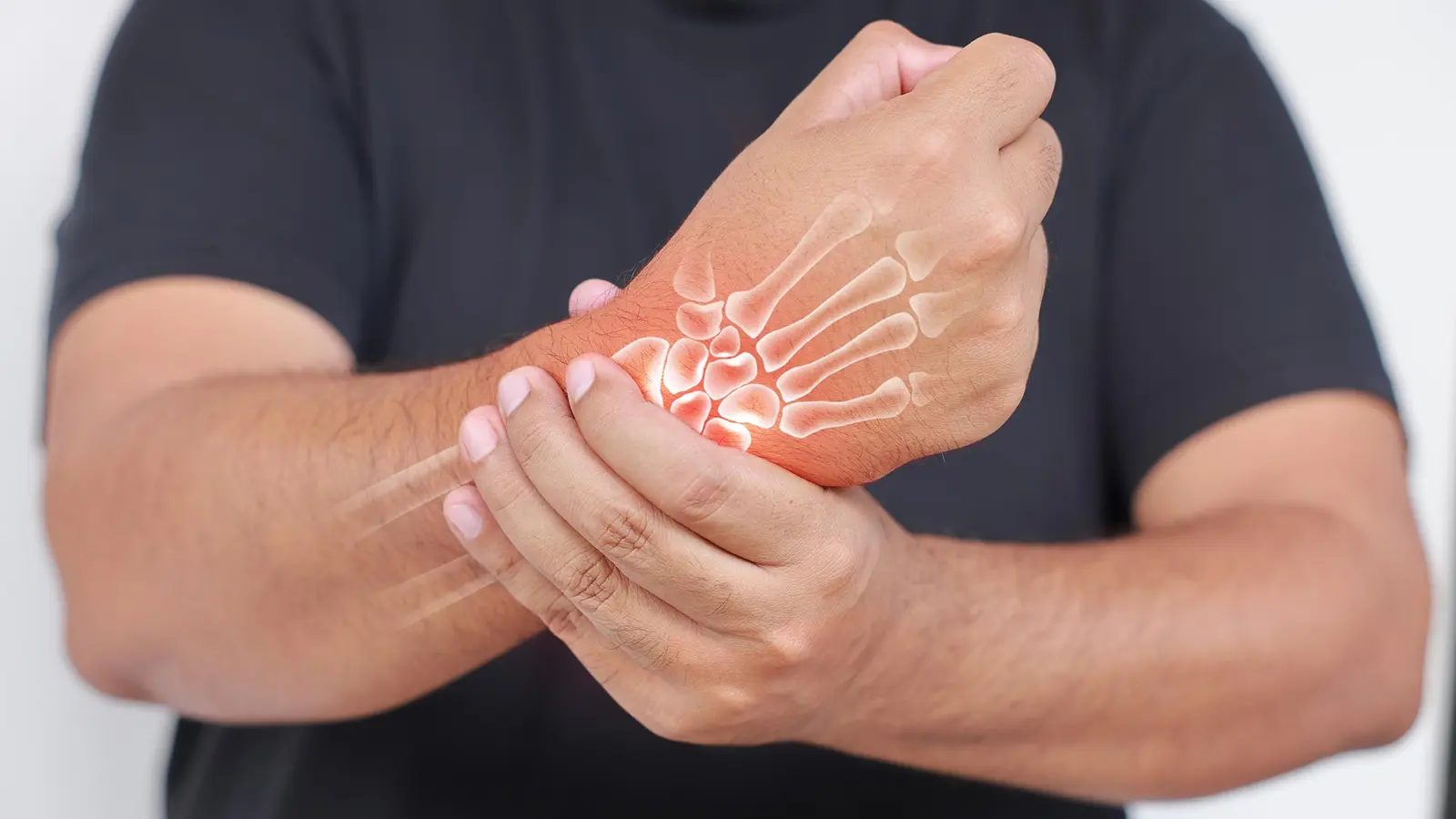
Picture a joint that keeps a list. Not a literal ledger, of course, but a biological record of past inflammation that can be read years later when the body is under strain. That’s the provocative image emerging from a new mouse study that links psychological stress to the return of arthritis via an unexpected player: heat-producing brown fat.
Researchers at Chiba University, led by Assistant Professor Shigeru Tanaka and Professor Hiroshi Nakajima, followed a curious chain of events in animals whose experimentally induced arthritis had quieted. When the mice were subjected to restraint stress, the disease flared again in the same joints. The team tracked signals across tissues, immune cells, and molecules to discover how stress translated into renewed inflammation.
The sympathetic nervous system—the body’s rapid-response circuit for stress—fired first. That activation reached brown adipose tissue, the metabolically active fat that generates heat. Brown fat responded by releasing interleukin-6 (IL-6), a cytokine usually associated with inflammation. IL-6 did not act in isolation. It circulated to the joint lining and nudged fibroblast-like synoviocytes, specialized cells in synovial tissue, to produce the chemokine CXCL1. That chemical, in turn, summoned neutrophils, white blood cells that amplify inflammatory damage. The result was a targeted relapse of arthritis in previously affected joints.
It sounds like a relay race across organs: nerves hand off to fat, fat hands off to joint cells, and joint cells summon immune reinforcements. The researchers then tested whether cutting this relay short could blunt the flare. Blocking the β3-adrenergic receptor—one of the receptors mediating sympathetic signals to brown fat—reduced circulating IL-6, decreased CXCL1 expression in joint tissue, and lowered both neutrophil recruitment and visible swelling. In a parallel approach, blocking CXCR2, the receptor that responds to CXCL1 on immune cells, also tamped down stress-triggered arthritis in the mice.

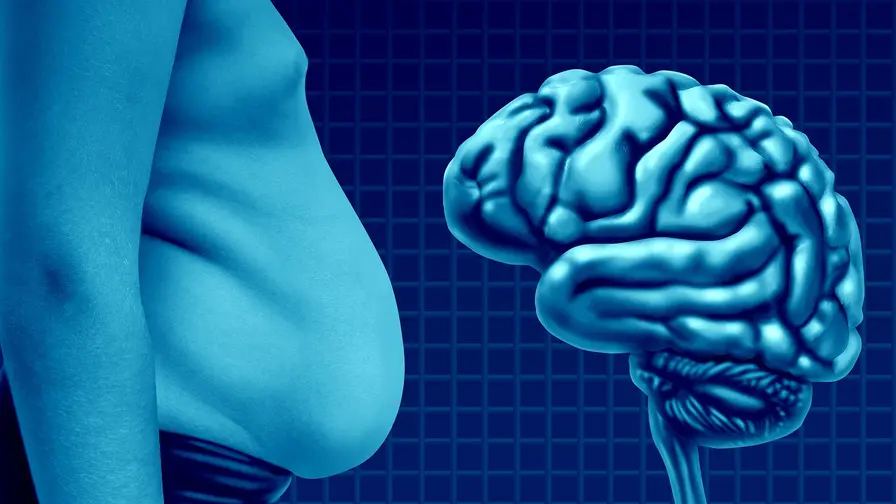
These results point to a form of inflammatory memory in joint tissue that can be reawakened by stress through a pathway that bypasses classic lymphocyte-driven autoimmunity.
The team did not stop at mice. Turning to people with rheumatoid arthritis, the investigators explored whether genetic variation in ADRB3—the gene that encodes the β3-adrenergic receptor—modified how perceived stress correlated with disease activity. Individuals carrying the Trp64Arg variant, which makes cells less responsive to stress hormones, showed a weaker association between stress and arthritis activity compared with noncarriers. This human link is observational and cannot prove causation, but it offers a hint that the brown-fat—IL-6—joint-cell axis may be relevant beyond the laboratory.
Why does this matter? For patients and clinicians wrestling with flares that seem to pop up unpredictably, the study provides a plausible biological mechanism that ties psychological stress to localized disease recurrence. It shifts part of the focus away from circulating lymphocytes and toward non-immune tissues and their molecular conversations—brown fat as an endocrine organ, synoviocytes as active signal amplifiers, and neutrophils as on-call effectors of inflammation.
Therapeutically, the findings suggest alternative strategies. Rather than broadly suppressing the immune system, it may be possible to target stress-responsive nodes—adrenergic signaling in brown fat or the CXCL1–CXCR2 axis—to prevent stress-driven relapses. That approach could preserve wider immune function while reducing the specific pathway that rekindles joint inflammation.
Published in Science Advances on October 16, 2026, the work opens several questions. How long does this joint-level memory persist? Do the same mechanisms operate in other inflammatory diseases? And might behavioral or pharmacologic stress-reduction strategies, combined with targeted molecular blockers, reduce flare frequency in people with rheumatoid arthritis?

For now, the study offers a new way to think about flares: not as random setbacks, but as the body reading an internal script written during prior inflammation—one that stress can prompt to play again.

Leave a Comment
Comments
No comments yet. Be the first.