
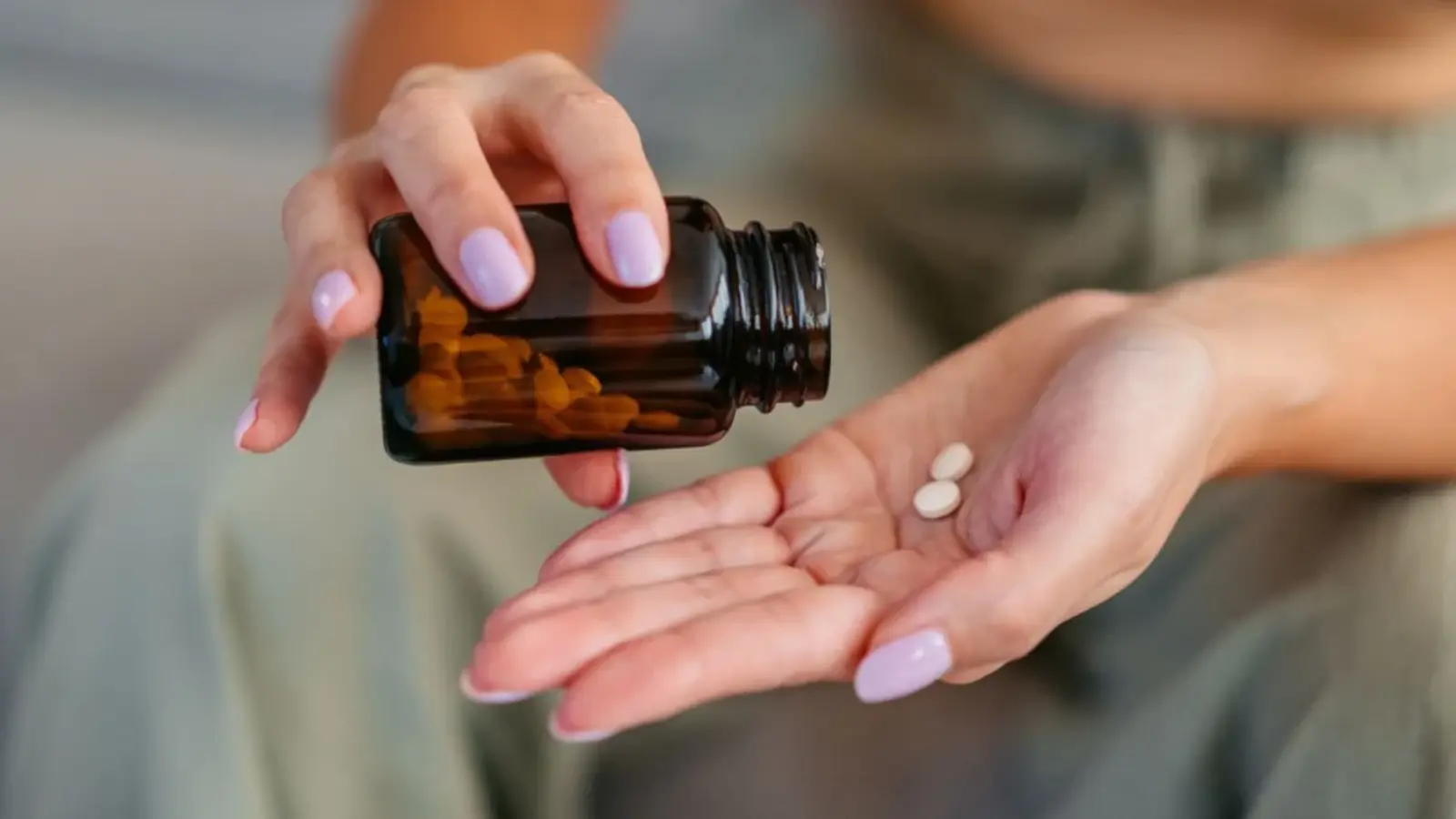
What if the small, over-the-counter capsule millions pop at night carries a hidden cost? The sleep aid melatonin—sold as a harmless, hormone-based supplement—has been thrust into the spotlight after a new multi-country analysis linked long-term prescriptions to a higher rate of heart failure and death.
Researchers examined more than 130,000 adults with insomnia and found worrying patterns. Those prescribed melatonin for longer than a year faced an 89 percent greater risk of developing heart failure within five years. Mortality also climbed: the chance of dying from any cause roughly doubled, rising from about 4.3 percent to 7.8 percent in the groups compared. A secondary look at hospital records suggested nearly a 3.5-fold increase in heart failure admissions among long-term users.
Numbers like that stop you. They demand attention. But they do not, on their own, prove causation. The study was presented at the American Heart Association's Scientific Sessions in 2025 and has not yet gone through peer review. Still, the data were compelling enough for regulators to take note. In April 2026, Saudi Arabia’s drug authority flagged a safety signal for melatonin and heart failure after reviewing the study alongside global adverse-event reports, describing the evidence as "suggestive for causal association." It was not a ban. Nor was it a label change. It was a red flag.
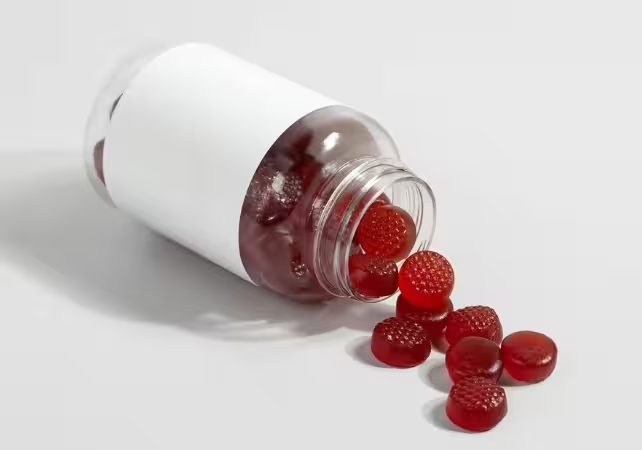
Melatonin supplements are available over the counter in the US.
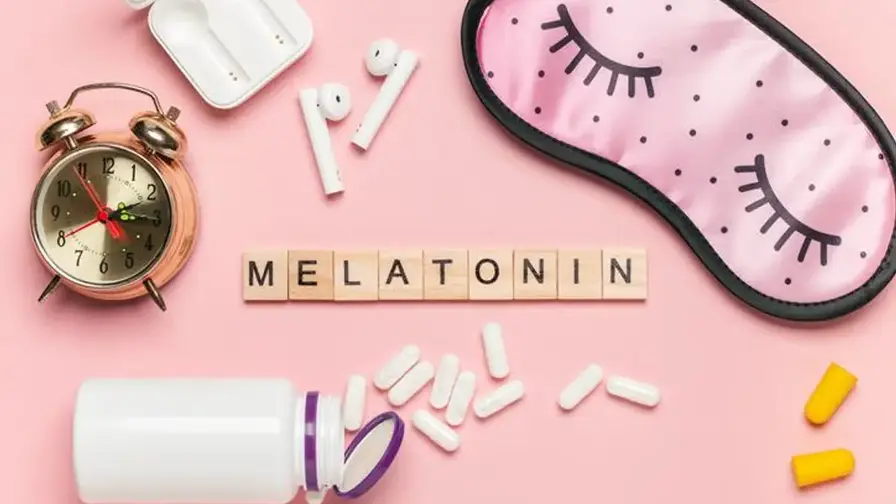
Melatonin mimics a hormone the brain produces to cue sleep. Taken at night, it can reset the body clock and help people fall asleep. Short-term use—typically one to two months—is widely considered safe for adults who are not pregnant or breastfeeding. But beyond that window, the scientific record is thin. Few large, controlled trials follow people who take melatonin for years. That gap matters when a supplement becomes routine rather than occasional.
"Melatonin supplements may not be as harmless as commonly assumed," said Ekenedilichukwu Nnadi, a medical scientist involved in the analysis. His point is blunt: the cultural image of melatonin as a benign, natural fix may be misleading when the drug becomes part of daily life for months or years.
The study’s design carries a key limitation. Investigators relied on prescription records to identify melatonin users. In countries such as the United States, melatonin is easy to buy without a prescription. That means some people in the non-prescribed control group may actually have been taking over-the-counter melatonin—an uncertainty that could blur the comparison. Carlos Egea, president of the Spanish Federation of Sleep Medicine Societies, urged caution but said the associations are serious enough to justify a randomized, prospective trial to determine safety definitively.

Other concerns have cropped up elsewhere. In Australia, a string of non-fatal pediatric overdoses has raised questions about product safety and storage around children. And while short-term side effects in adults tend to be mild—drowsiness the next morning, headaches—longer-term cardiovascular outcomes simply haven’t been studied at scale until now. That mismatch between widespread use and limited evidence is what alarms public-health experts.
How should clinicians and sleep-seekers react? For people struggling with occasional insomnia, behavioral approaches like cognitive behavioral therapy for insomnia (CBT-I) remain the first-line recommendation. For those considering melatonin, the emerging data suggest using the smallest effective dose for the shortest possible period and having a frank conversation with a healthcare provider about risks versus benefits—especially if you have underlying heart disease or other risk factors.
Science rarely hands down instant verdicts. This analysis raises urgent questions and points to a clear next step: carefully controlled, long-term trials that can untangle whether melatonin itself contributes to heart harm, or whether the associations reflect other factors linked to insomnia and poor health. Until then, an over-the-counter status does not equal absolute safety.

Sleep is precious. So is a healthy heart. It might be time we treated both with equal care.

Leave a Comment
Comments (1)
Wow didnt expect that... ive been taking melatonin nightly for YEARS, now kinda freaked. If true, urgent need for long trials. Srsly