
Have you ever looked at a photograph and felt sure you were there, only to learn later you weren't? That uneasy certainty is exactly what researchers at MIT set out to explore — and the results are unsettling.
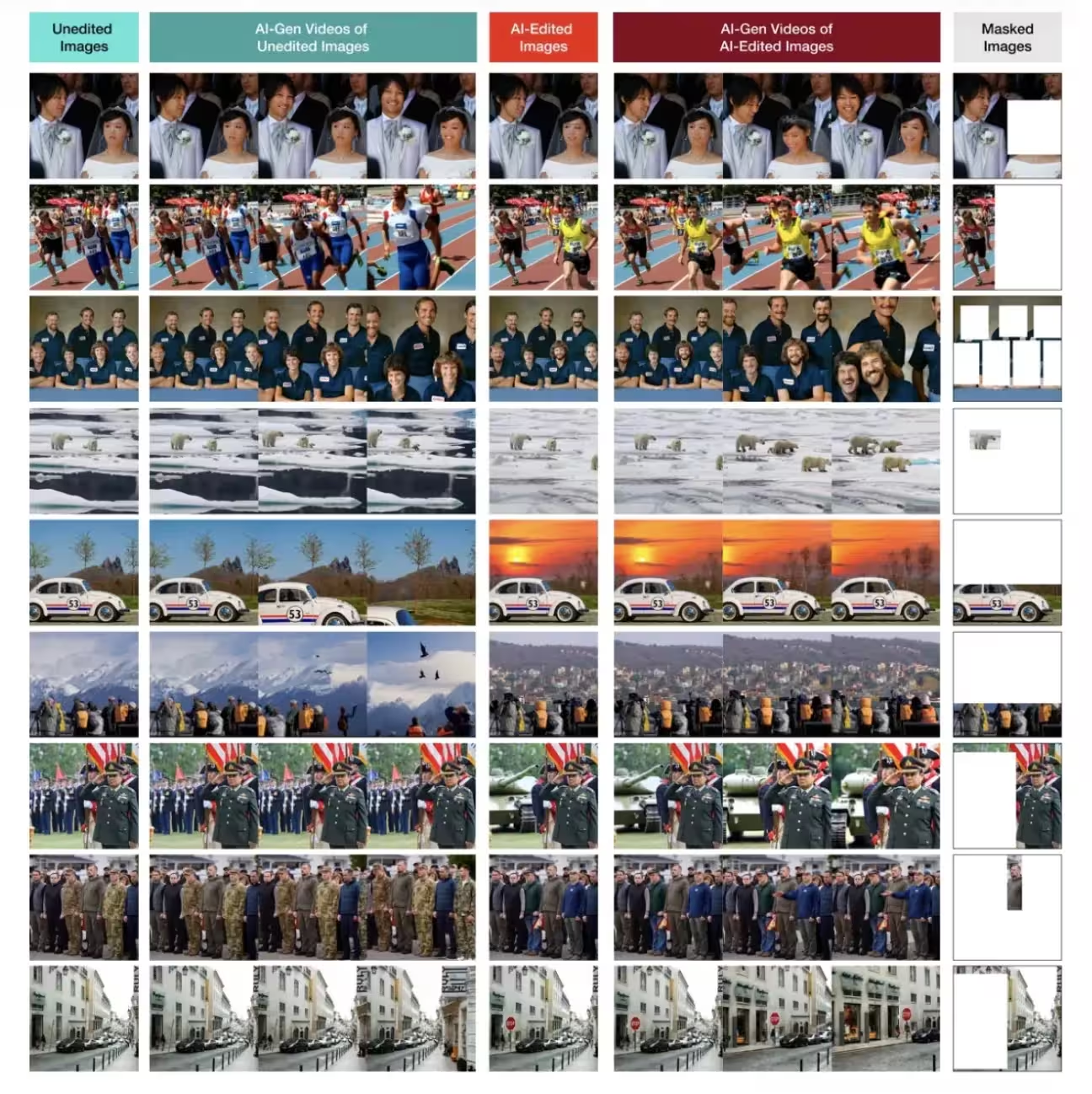
In an experiment reported by the Washington Post, 200 volunteers viewed a set of 24 ordinary photos: a wedding, a busy street, a sports match and similar everyday scenes. After a short break, some participants were shown the original photos again. Others were shown altered versions produced by generative AI. Faces wore different expressions. Military personnel appeared in public squares. Skies had been darkened or cleared.
The outcome was stark. People who saw AI-manipulated images were significantly more likely to report memories of events that had never happened. Even more troubling, they tended to be confident in those false recollections. Participants exposed to AI-altered imagery didn’t just misremember — they trusted their misremembering.
Why does this matter? Memory is not a simple video file stored intact in the brain. It’s a construction: attention, effort, retrieval cues and the web of associations you weave all shape what you remember. A vivid image can supply a missing piece and the mind fills the gaps. Generative AI, by producing convincing visual and textual fodder, can short-circuit the slow, skeptical work our brains normally do.
There’s another layer to the problem. These models can invent details that seem plausible but are untrue — what computer scientists call hallucinations. Most people are not good at spotting such fabrications. When a believable image arrives tagged with the invisible authority of an algorithm, it can crowd out doubt. And when experts rely on the same cues, professional judgments can bend under the same pressure.
These findings reach beyond online hoaxes. They touch journalism, legal evidence, medical records and personal relationships. If a doctored image or a plausible but false text nudges memory, decisions based on those memories will carry an invisible error. The trick is that the error can feel authentic.
Solutions exist, but none are magic. Robust provenance systems, wider use of verification tools, and public education on the limits of both memory and AI are part of the fix. Still, technology is racing ahead, and our cognitive habits adapt slowly.
Photos were once treated as proof. Today they can be accomplices in rewriting the past. Which version of yesterday will we trust?

Leave a Comment
Comments
No comments yet. Be the first.