
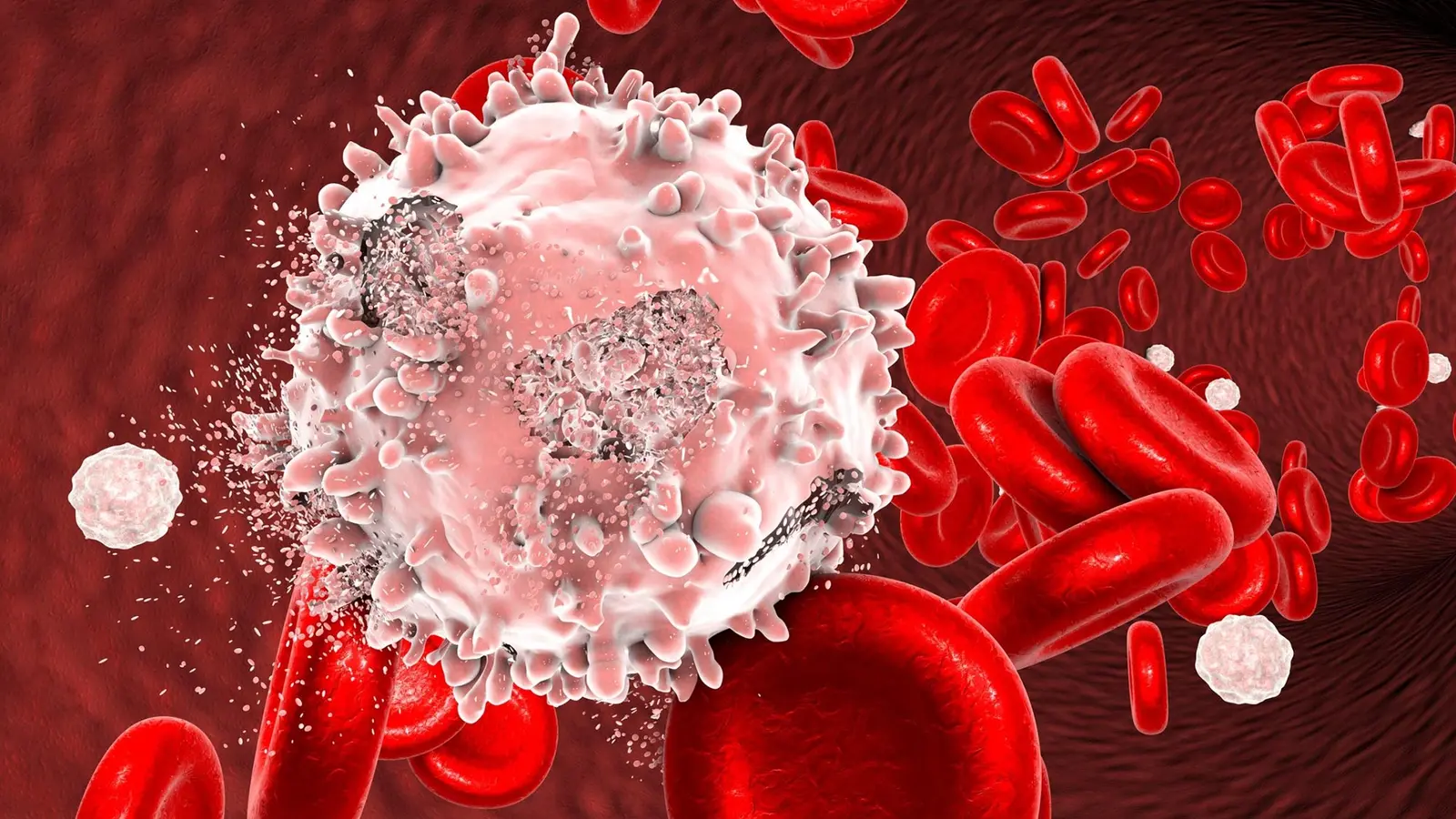
Imagine your skeleton offering a prognosis. Strange, but the bones might be doing just that for people with myelodysplastic syndromes (MDS), a collection of bone marrow disorders that derail the production of healthy blood cells.
MDS mostly strikes later in life. Fatigue, anemia, repeated infections and bleeding are common. Some patients tip over into acute myeloid leukemia — a rapid, aggressive disease. Treatment often centers on blood counts and transfusions. Bone health rarely gets a starring role.
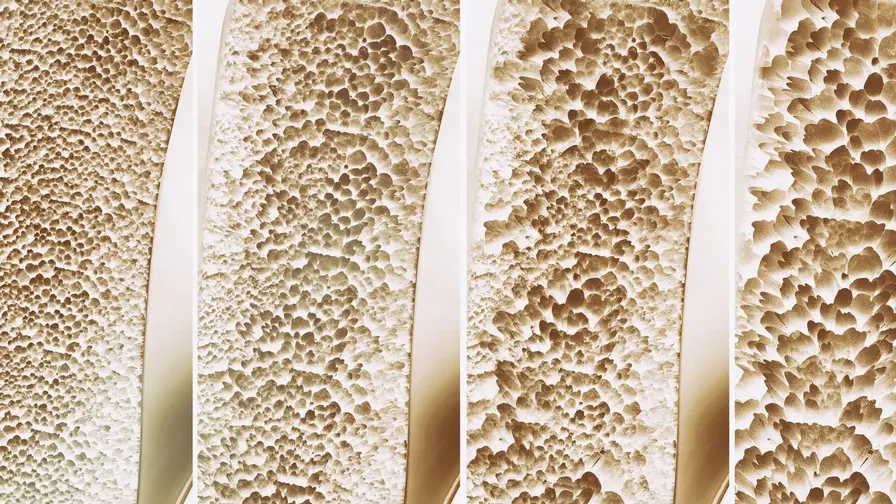
That could be changing. A three-year observational study tracking 111 MDS patients alongside 84 age-matched controls found clear differences at the start: those with MDS had notably lower bone mineral density. The loss didn’t stop there. Over time, bone mass continued to fall in the affected group. Most striking, people who already had osteoporosis when the study began tended to survive for shorter periods than those with healthier bones. Causality isn’t proven. Correlation, though, is hard to ignore.
“The bone-aging process seems accelerated in MDS,” says Lorenz Hofbauer, a clinician-scientist who helped launch the BoHemE study. Short sentence. Big implication. The research team also flagged a genetic link: mutations in DNMT3A — a gene known for affecting blood-forming cells — were associated with lower bone density. Participants with weak bones were more likely to show low calcium levels too. These are threads connecting the marrow to the skeleton, and they deserve pulling.
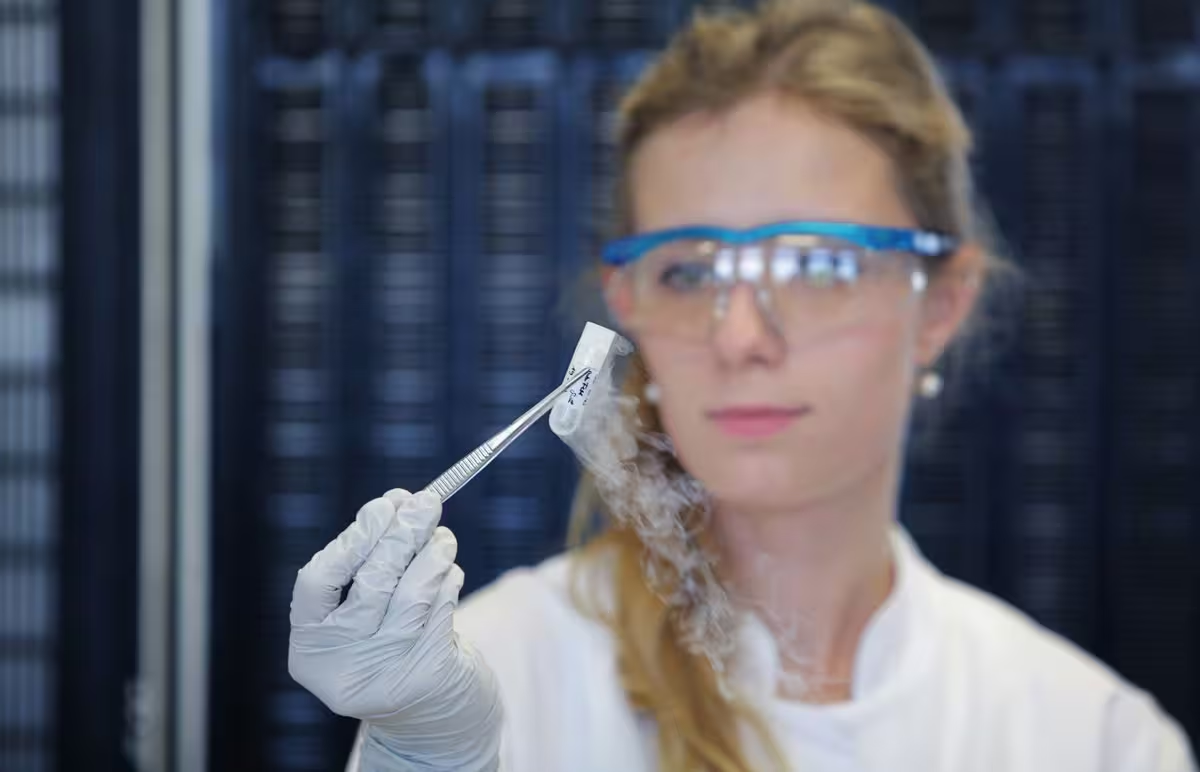
Analyzed on ice – Stem cells are stored in liquid nitrogen at −196 degrees Celsius and examined for the BOHEME study.
Samples from the study were kept carefully — stem cells stored in liquid nitrogen at −196 °C — and examined as the researchers pieced the story together. BoHemE began in 2016, co-led by Hofbauer and hematologist Uwe Platzbecker, and brought together teams from Dresden and Leipzig. It’s not a single-discipline effort. Oncology, gerontology, orthopedics, trauma surgery and even computer science all have a part to play if we want to understand how aging, bone metabolism and blood formation interact.
Think of the body as an orchestra. When one section lags, the whole performance changes. Bones support movement. They regulate minerals. They cradle the marrow that makes our blood. If the orchestra is out of tune, a conductor — or in clinical terms, an integrative care plan — is needed.

Prof. Lorenz Hofbauer.
What should clinicians do with this information? Start by looking. Screening for bone density and monitoring calcium levels can be folded into routine MDS care without much fuss. Mobility, muscle strength and fall risk are equally important. The Dresden Osteoporosis Center already offers individualized treatments for bone disease in MDS patients, combining fracture prevention with standard hematologic care.
For patients and doctors alike, the takeaway is simple: bone health matters in MDS and should be part of comprehensive management.
The finding raises more questions than answers, which is good for science. Does bone loss speed cancer progression, or is it a shared sign of underlying aging biology? Can treating osteoporosis change outcomes for blood cancer patients? Those are the next experiments waiting in line — and they may reshape how we think about aging, bones and blood.

Leave a Comment
Comments
No comments yet. Be the first.