
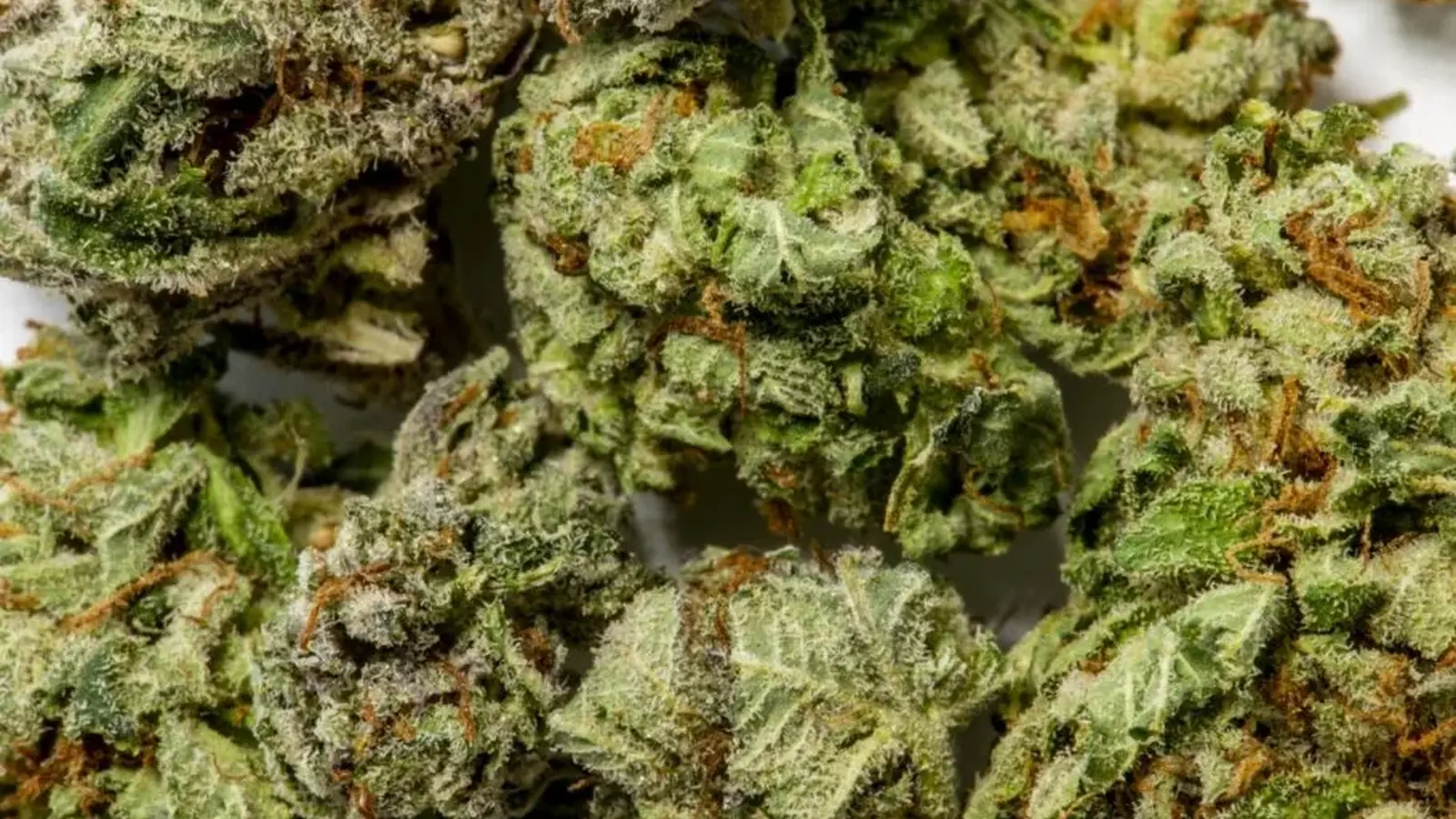
People reach for cannabis with a simple promise in mind: sleep better. The promise is loud. But new long-term data whispers something more complicated.
A reanalysis of the CARDIA cohort — a study that began in 1985 across four U.S. centers and followed more than 5,000 adults for 35 years — links greater lifetime cannabis use to objectively poorer sleep, even when users don’t report feeling worse. Curious, isn’t it?
Researchers examined objective sleep metrics at the study’s 35th year and adjusted for age, race, sex, education, tobacco and alcohol use, and other factors. The pattern was clear. Each additional year of cannabis use was associated with a roughly 10% higher odds of a lower proportion of time actually asleep during the sleep period, a 4% higher odds of greater sleep fragmentation, and a 21% higher odds of prolonged wakefulness after sleep onset.
Here’s a paradox: people who had used cannabis in the prior 30 days slept, on average, about 20 minutes longer each night than those who never used it. Yet objective measures showed those nights were less efficient — more broken up, and marked by longer awake bouts. In plain language: more minutes in bed, but lower-quality sleep.
Self-reports didn’t match the trackers. Participants didn’t consistently perceive their sleep as worse, despite measurable changes. Why the disconnect? The study doesn’t have a definitive answer. Tolerance to sedative effects, altered sleep-stage architecture, or shifts in subjective expectations might all play roles. Or perhaps short-term sedative effects mask the subtle harms visible only to objective monitoring.
Public-health implications are immediate. An estimated 22 million Americans currently use cannabis to help sleep, and surveys suggest nearly a quarter of the population might turn to it when struggling to fall asleep. If subjective impressions diverge from objective reality, many users could be unaware they’re trading sleep quality for sleep duration.
The findings appear in JAMA Network Open and do not prove causation. Still, they add a cautionary note to the popular belief that cannabis is an uncomplicated sleep aid. Next time you reach for that sleep joint or edible, consider asking: am I actually sleeping better, or just sleeping longer?


Leave a Comment
Comments
No comments yet. Be the first.