

Think diet sodas are stealthy saboteurs of weight loss? A two-year clinical trial suggests they are not — and that little can may be less sinister than the headlines imply.
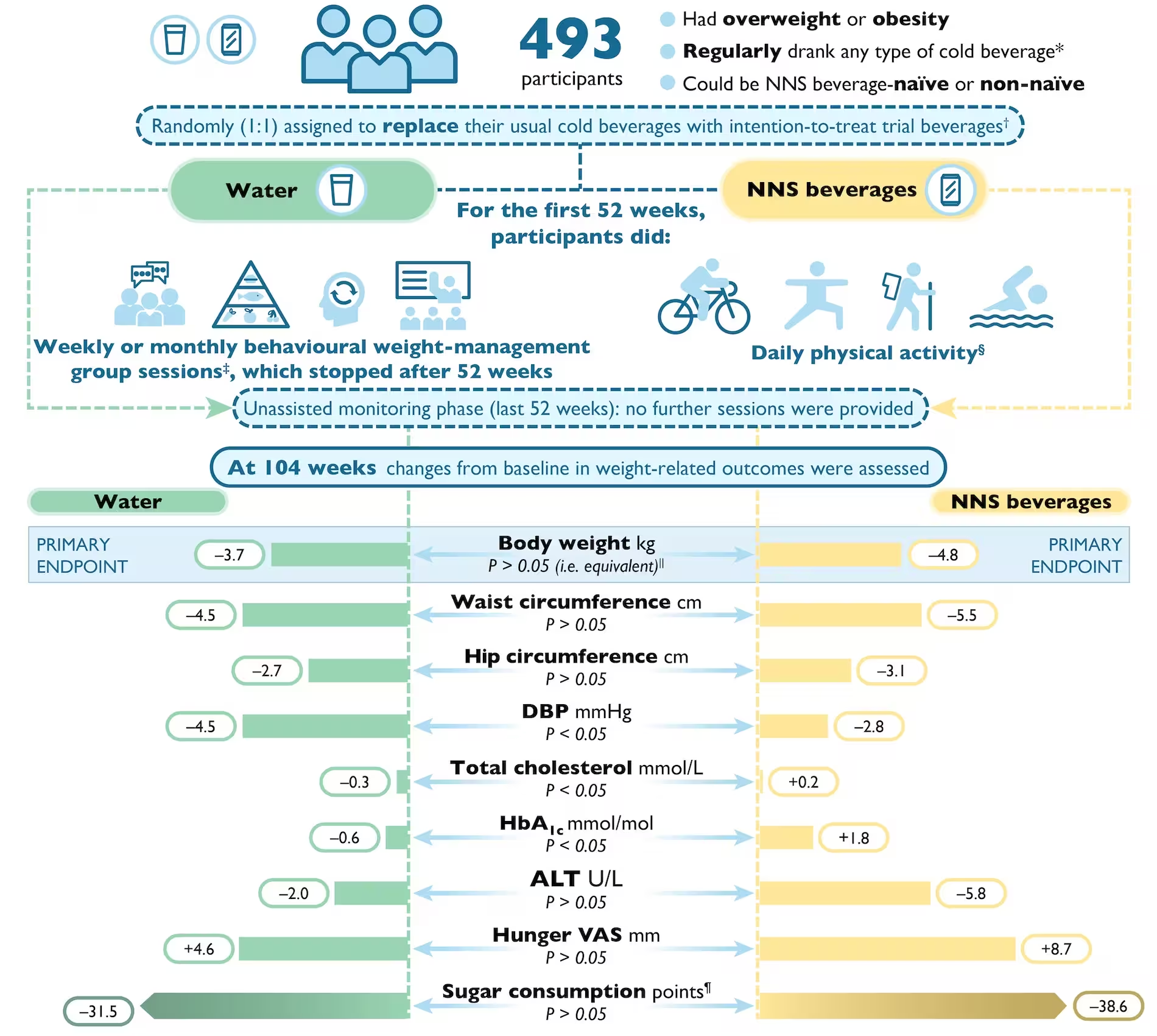
Researchers at the University of Liverpool conducted what they describe as the longest and most comprehensive randomized, controlled study of beverages sweetened with non-nutritive sweeteners. Nearly 500 adults with overweight or obesity signed up. For 104 weeks participants followed a structured, behavior-based weight management program and were randomly assigned to drink either plain water every day or commercially available diet drinks containing sweeteners such as aspartame, acesulfame potassium and sucralose. Importantly, the amounts of sweeteners consumed stayed well below the safety thresholds set by the European Food Safety Authority.
The headline result was simple: the two groups lost similar amounts of weight. On average the diet-drink group shed about 4.8 kilograms; the water group lost about 3.7 kilograms. The difference was not clinically meaningful.

In this two-year trial, diet drinks performed about as well as plain water for weight loss and maintenance.
That parity held up over time. Both groups maintained their weight loss across the full 104 weeks — and notably, the trend continued even into the final year when participants no longer received active researcher support. Appetite did not rise in the diet-drink group, and the investigators found no evidence of the metabolic damage some critics have warned about.
Other health markers tracked in the study — blood pressure and cholesterol, for example — showed no clinically important differences between long-term consumption of beverages sweetened with aspartame, acesulfame potassium or sucralose and drinking water. Sugar intake fell in both arms of the trial, with a slightly greater reduction among those drinking diet beverages.
The team concludes that, at least in the context of a supervised behavior-change program and with limited sweetener exposure, worries that low-calorie sweeteners drive appetite or weight gain were not borne out by rigorous long-term data published in the British Journal of Nutrition.
Does this mean diet drinks are a health panacea? Not exactly. Trials like this are powerful but context matters: participants were enrolled in a weight-management program, and their overall habits shifted. The findings do, however, give clinicians and consumers firmer ground to judge whether a diet beverage can be a pragmatic tool for some people trying to reduce sugar and manage weight.
Science rarely hands out absolutes. But here, after two years and nearly five hundred participants, the message is clearer: diet drinks are not the weight-gain villains they have been accused of — and sometimes they sit quietly beside water as a reasonable option for calorie control.


Leave a Comment
Comments
No comments yet. Be the first.