
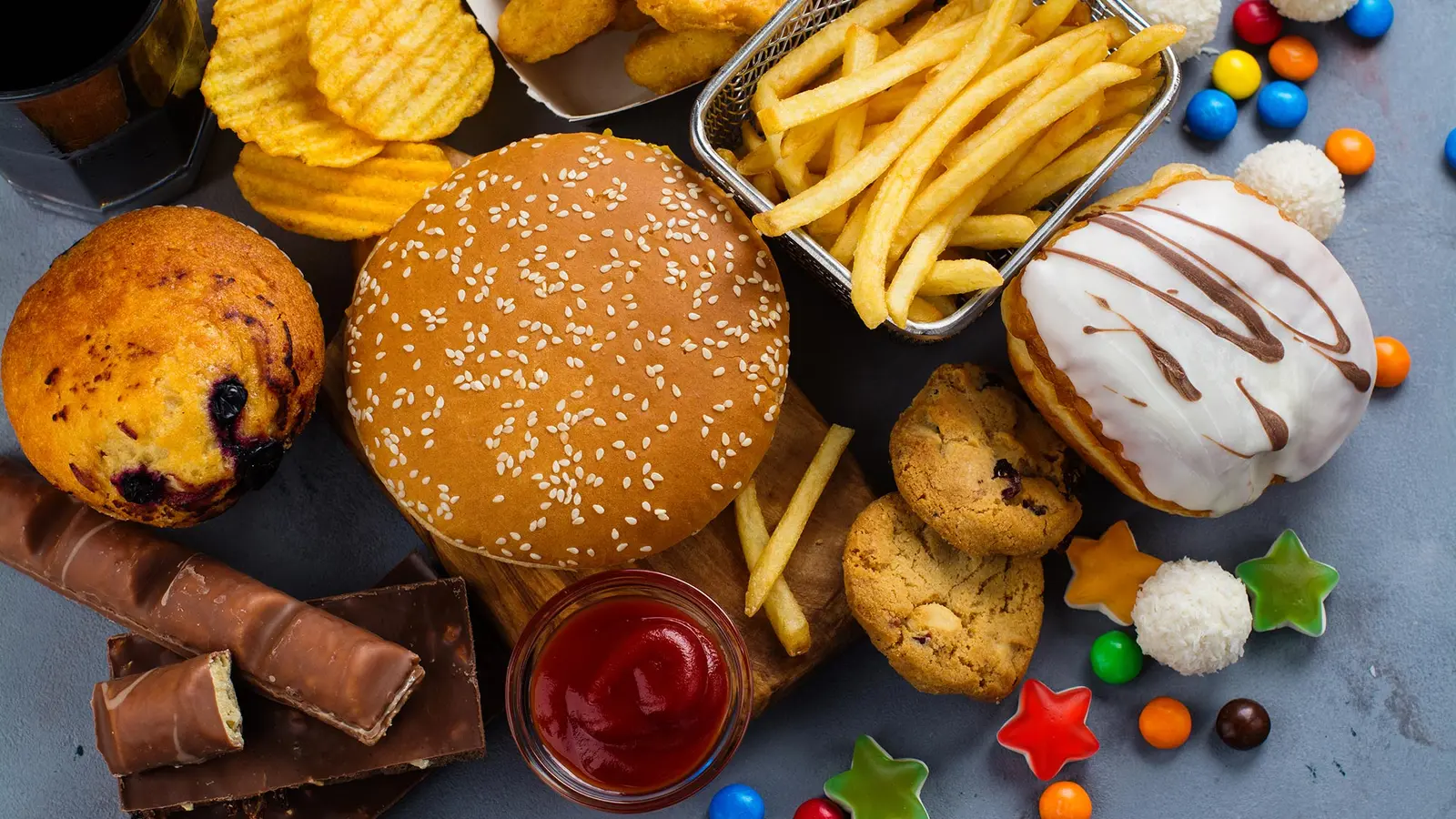
Think a packaged snack or a microwaved meal is harmless comfort? Think again. A sweeping analysis of nearly 8.8 million adults suggests that every extra mouthful of ultra-processed food nudges the needle on some very serious health outcomes.
Researchers pooled data from 51 studies spanning the Americas, Europe, Asia and Oceania, following people for between two and 32 years. They tracked diets reported through food-frequency questionnaires, 24-hour recalls and dietary histories, then converted those amounts into comparable weights so patterns could be compared across populations. The result is not a single smoking gun, but a chorus of troubling signals.
Compared with people who ate less ultra-processed food, those with higher intakes faced a 24% greater relative risk of cardiovascular events — heart attacks, strokes, transient ischemic attacks and related deaths. Break that down by weight and the pattern is stark: each additional 100 grams a day (roughly 3.5 ounces) corresponded to about a 14% higher cardiovascular risk. For many readers, those are not abstract numbers. They describe a steady climb in odds tied to what we choose to put on our plate.
Cancer and mortality followed similar trajectories. Higher ultra-processed food consumption was linked to a 12% greater risk of cancer-related outcomes, and every extra 100 grams per day raised that risk by about 4%. Death from any cause was 18% more likely among heavier consumers, with a 3% increase for each extra 100 grams daily.
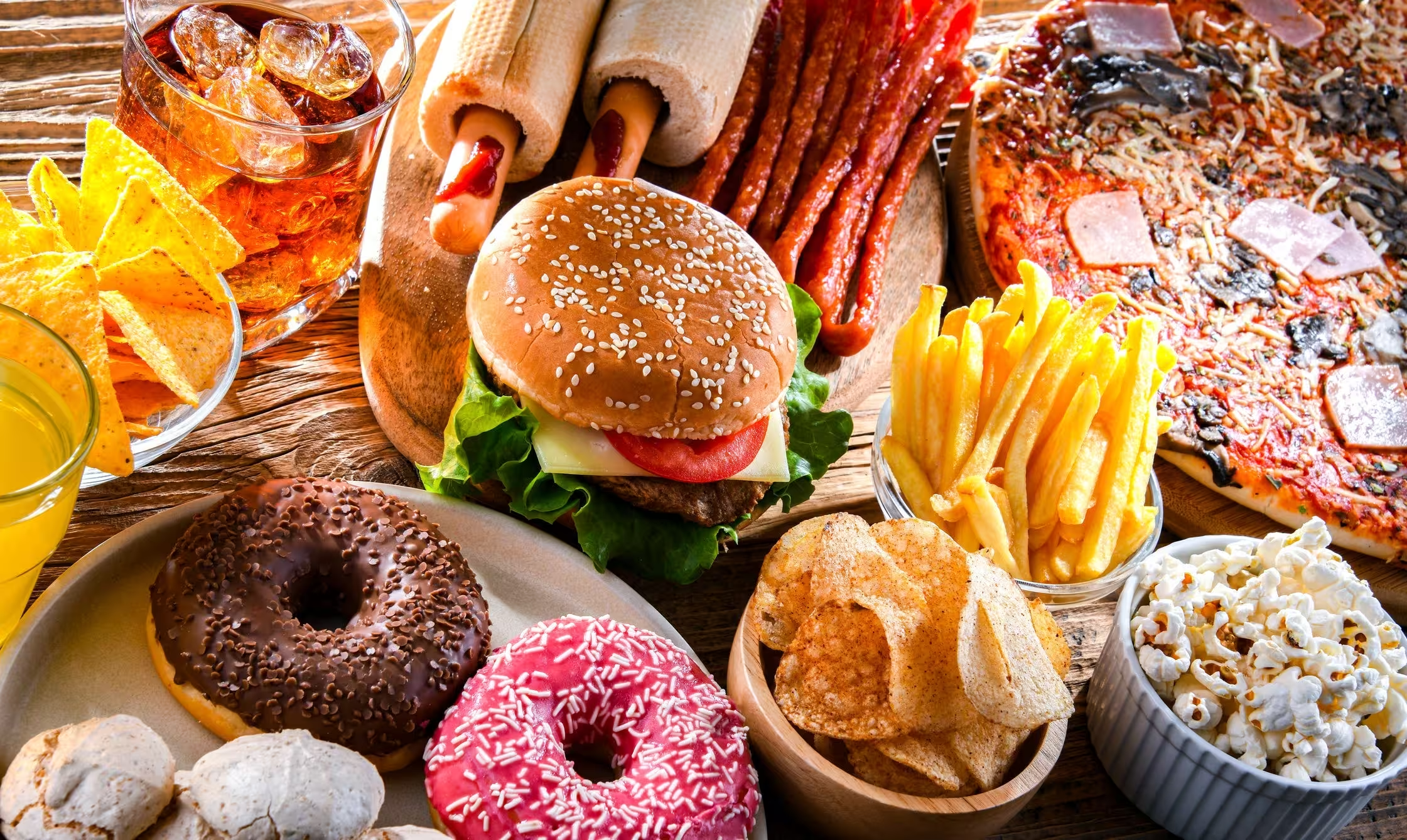
Metabolic health suffered too. People with greater ultra-processed intake had a 24% higher chance of metabolic syndrome or diabetes, an 11% higher risk of high blood pressure, and a 23% greater likelihood of being overweight or obese. The analysis calculated a roughly 2% increase in risk for metabolic syndrome or diabetes with each extra 100 grams eaten each day. When intake was measured as a portion of calories or weight, every 10% rise in ultra-processed foods translated to a roughly 16% higher risk.

The associations didn’t stop at the heart or the pancreas. Digestive diseases were about 31% more common and symptoms of depression or anxiety rose by 27% among those eating more ultra-processed items. Chronic illnesses often cluster — multimorbidity — and that clustering informs how clinicians and public-health officials think about prevention.
Across millions of people and decades of follow-up, more ultra-processed food consistently mapped to higher risks of chronic disease and death.
Why might industrially altered foods have such broad effects? Several biological mechanisms are plausible. The intense processing that creates many ready-to-eat and heat-and-serve products changes food structure and texture, and those changes can ripple through the gut microbiome — the teeming community of microbes that help regulate inflammation, digestion and metabolic signals. Altered microbiomes can promote low-grade inflammation or insulin resistance, both of which are tied to heart disease and diabetes.
Additives complicate the picture. Emulsifiers, colorings, flavor enhancers and other compounds are judged safe in isolation, yet emerging research points to a potential "cocktail effect" when multiple additives interact over years. Heat-driven contaminants formed during processing, like acrylamide and acrolein, have also been linked to cardiovascular risk in experimental studies.
Still, caution is warranted. The analysis cannot prove cause and effect. Diet is notoriously difficult to measure accurately over long periods, and people who eat many ultra-processed foods often share other habits — less physical activity, different sleep patterns, socioeconomic stressors — that can influence health. The included studies adjusted for many confounders, but no observational study can account for every factor.
The practical takeaway is straightforward though not simplistic: a pattern of frequent consumption of calorie-dense, nutrient-poor, heavily processed products is associated with measurable increases in cardiometabolic, digestive, mental-health and mortality risks. Replacing ultra-processed items with minimally processed alternatives — whole grains, legumes, fresh fruit and vegetables, lean proteins prepared simply — is a strategy that aligns with both this evidence and longstanding dietary guidance.

Policymakers and clinicians face a double challenge: making wholesome foods affordable and convenient, while helping people spot which packaged options are engineered for profit rather than health. The next time you reach for a ready-made meal, ask yourself what that convenience costs tomorrow.

Leave a Comment
Comments
No comments yet. Be the first.