

Imagine a cheap pill, tucked into a bedside drawer, doing more than easing a headache. For a specific slice of older adults, that pill might also nudge the odds against dementia. The catch? It appears to work only when genes tilt the balance toward higher platelet counts, and the benefit comes with a hard tradeoff.
Researchers reanalyzed data from one of the largest placebo-controlled trials of low-dose aspirin in healthy older adults — more than 13,500 participants across Australia and the United States — and found a striking pattern. People whose genetic profiles predict higher platelet counts saw far fewer cases of dementia when they took daily aspirin. Among the top 20 percent by platelet-related genetic score, dementia developed in about 3.3 percent of those on placebo, but only 1 percent of those taking aspirin. That translates to roughly a 70 percent lower relative risk within that subgroup, with differences becoming apparent after two to three years of follow-up.
The analysis, published in Alzheimer's & Dementia and led by public health researcher Peter Fransquet at Monash University, points away from the usual Alzheimer’s-associated genes and toward platelet biology as a possible mediator. It’s an intriguing pivot. Instead of lumping everyone into a single category and concluding 'no effect', the team sliced the population by genetic traits and found a signal hiding in plain sight.
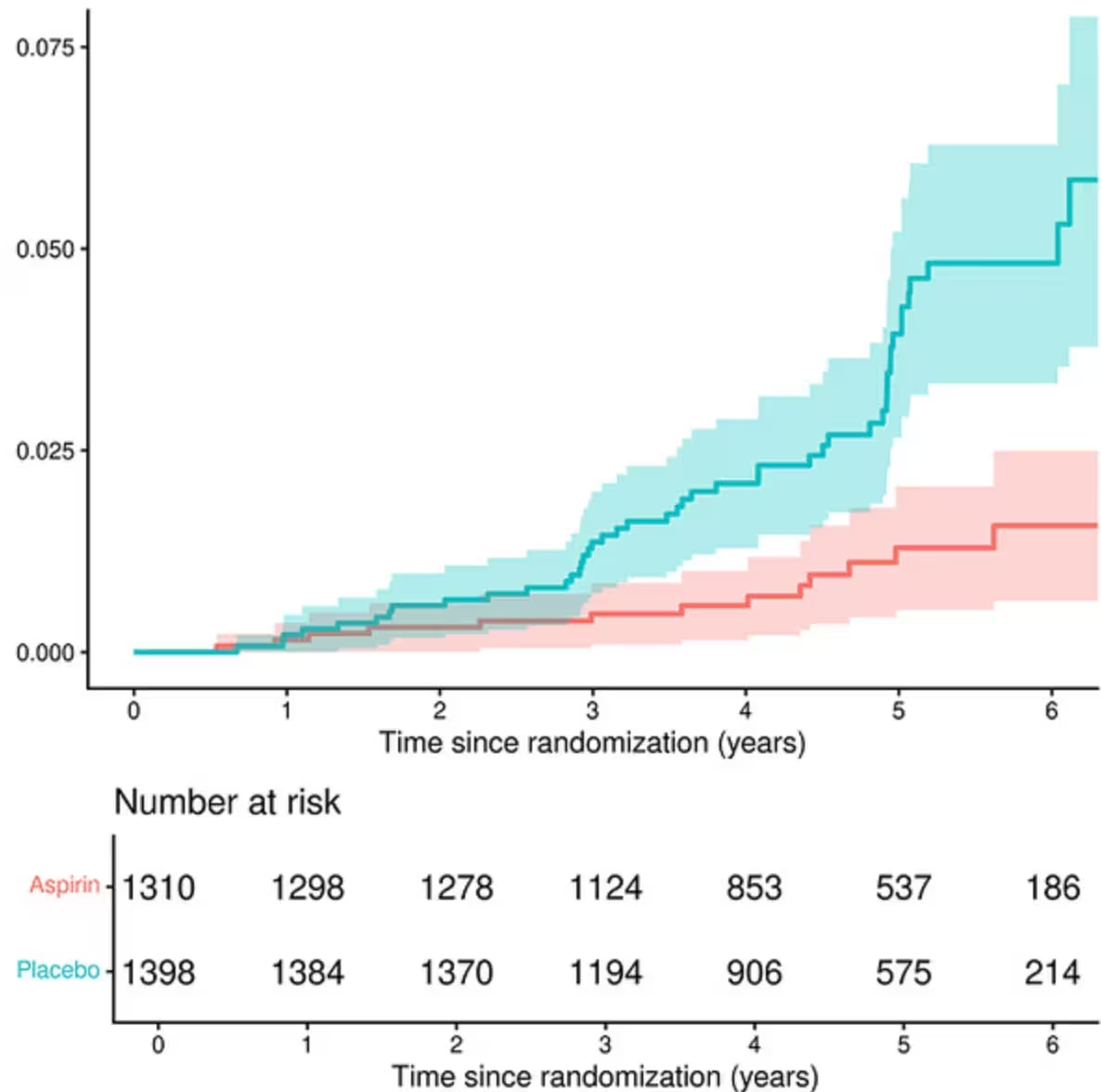
Dementia developed less frequently in the aspirin group (red) than the placebo group (teal) among participants with the highest platelet-count genetic scores.
Still, the story isn’t tidy. Daily aspirin carries a familiar downside: bleeding. Serious bleeds in the trial were roughly twice as common among people taking aspirin. That risk isn’t a detail you can shrug off. It changes the calculus entirely, especially in an older population where falls and gastrointestinal fragility are more common.
Do not start taking aspirin to prevent dementia without talking to your doctor, particularly because of the increased risk of serious bleeding.

Why would platelets matter for dementia? Aspirin’s primary mode of action at low doses is to inhibit platelet aggregation, thinning the blood and lowering the risk of clots that can cause strokes. Some forms of cognitive decline have a vascular component — tiny strokes and impaired blood flow can hasten the loss of brain tissue. If a person’s genetics make them prone to higher platelet counts, tamping platelet activity could plausibly lessen vascular damage over time. It’s a neat hypothesis that connects cardiovascular pharmacology to brain health.
But the current analysis has limits that temper enthusiasm. The trial followed participants for a median of less than five years, so it may have captured cases of dementia that were more rapid or already progressing. Slower, subtler cognitive decline might behave differently. The researchers also grouped all dementia types together; vascular dementia, Alzheimer’s disease, and mixed forms likely respond differently to any blood-thinning intervention.
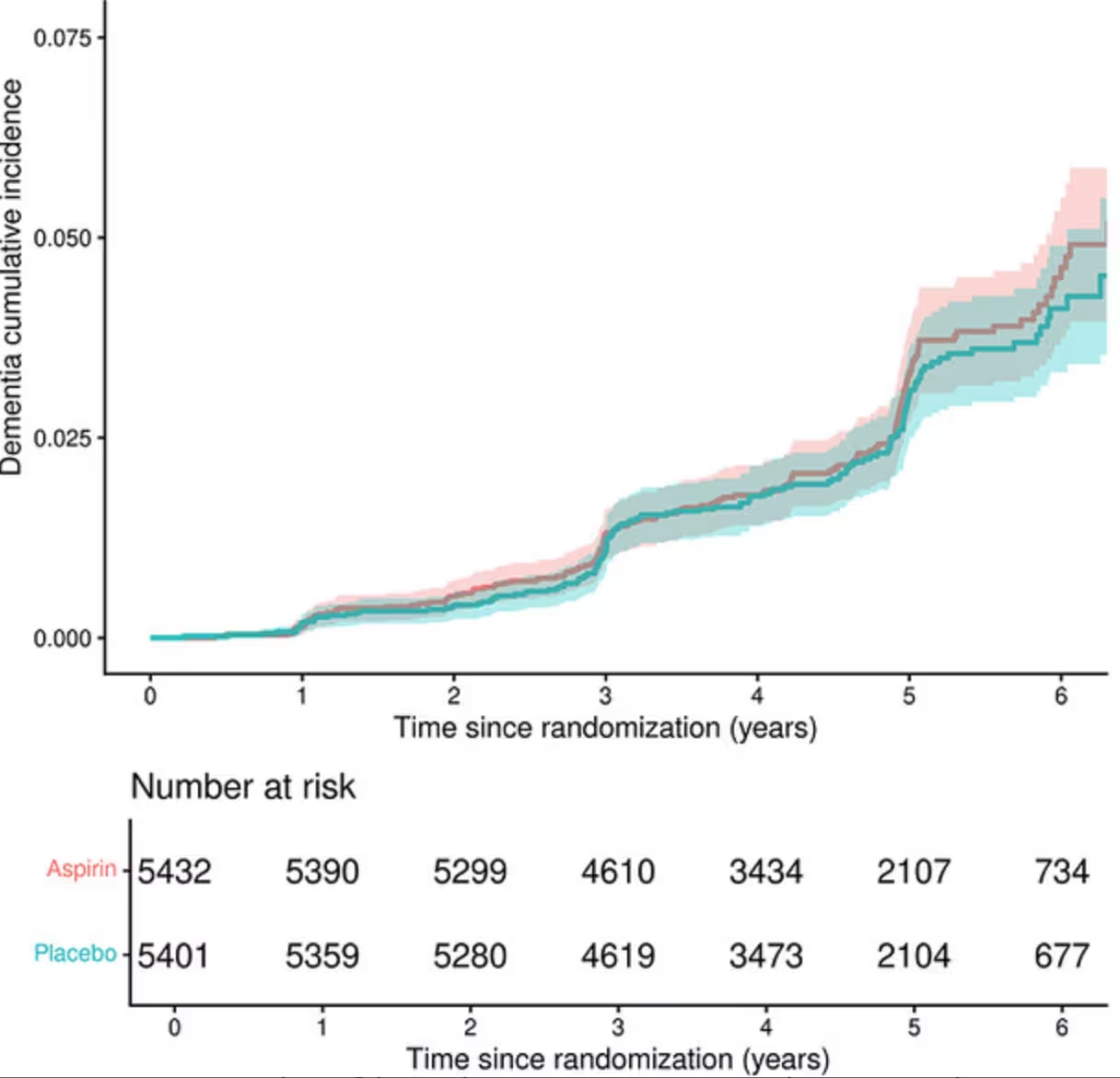
Dementia incidence was similar in the aspirin (red) and placebo (teal) groups among participants outside the highest 20 percent for platelet-count genetic scores.
What this study does offer is a proof of principle: genetics can help uncover who benefits from a common drug. If these findings are replicated in other cohorts and, ideally, confirmed in a trial designed specifically for people with the high platelet-count genetic profile, aspirin could become part of a personalized prevention toolkit. Cheap. Accessible. Familiar. But only if safety and long-term effects are established.
When past trials analyzed everyone as one mass, the verdict was negative — aspirin did not prevent dementia. This new work suggests that the negative result may have been a consequence of averaging distinct biological subgroups into noise. Precision medicine often works like that: patterns get lost unless you know where to look.
So where does that leave patients and clinicians today? With caution and curiosity. The immediate next steps are replication and targeted trials. For individuals, the practical message is simple: talk to your healthcare provider before changing any medication. For researchers, the message is louder: stratify by genetics, follow people longer, and seek which dementia subtypes respond to vascular interventions. For the rest of us, it’s a reminder that sometimes, the smallest pills can have complicated stories wrapped up in them — and that those stories often depend on the DNA we carry.

Leave a Comment
Comments (1)
Wait, so aspirin might help some ppl if their genes = high platelets? but twice the bleeding risk tho... not gonna self medicate lol