
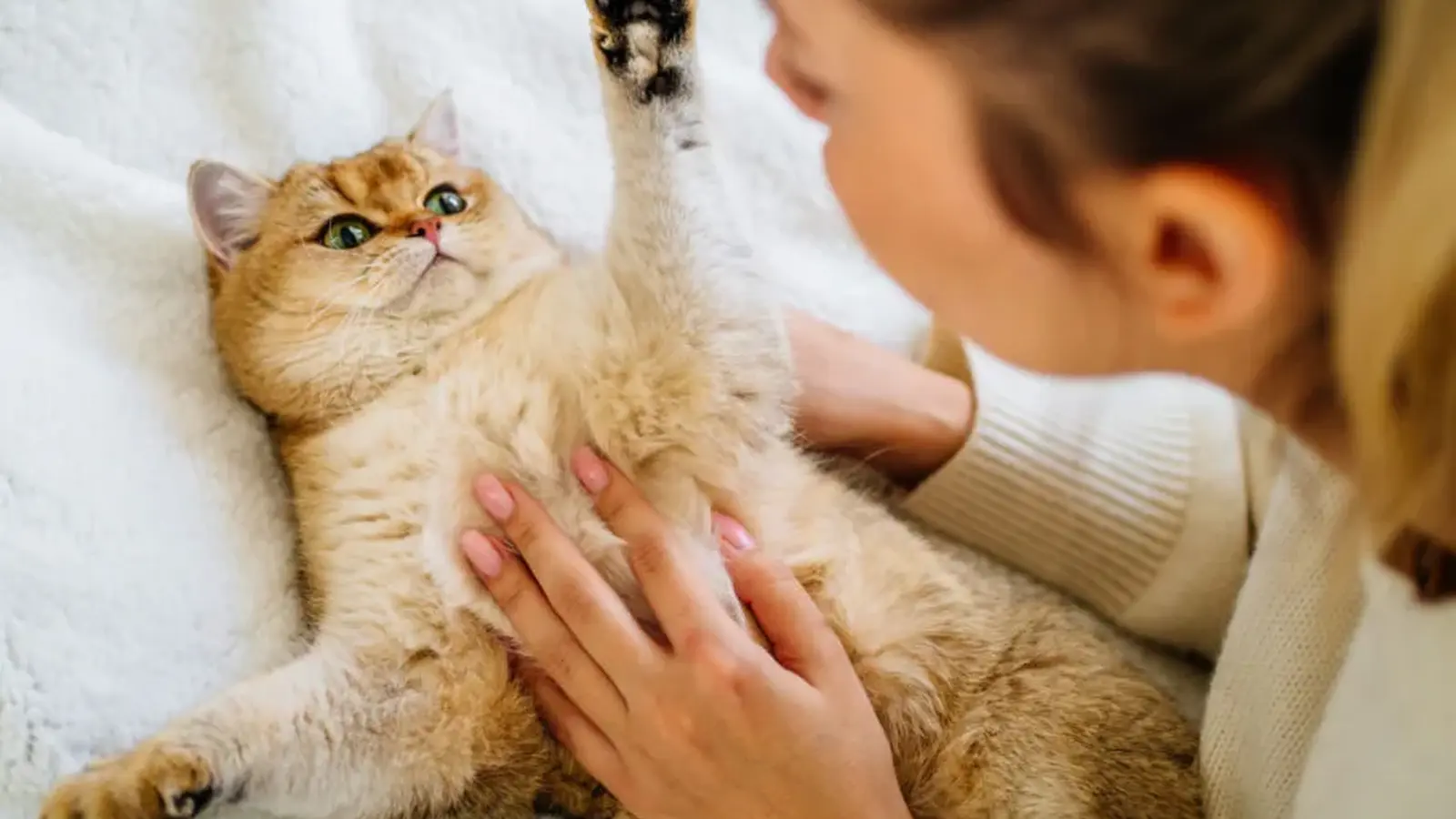
Walk into a small apartment in Helsinki and you might find a cat snoozing on the windowsill while its owner sips coffee and scrolls through the morning headlines. Comfortable scene, right? It turns out this cozy image mirrors a pattern researchers are spotting on a global scale.
Scientists examined data from 93 countries to tease apart what nudges a society toward greater life satisfaction. They pulled together metrics you would expect—income, GDP, health spending—along with two less obvious variables: the density of pet cats in households and the prevalence of a microscopic parasite called Toxoplasma gondii, which can jump from cats to humans.
The headline finding is simple and arresting: countries with more household cats tend to score higher on national happiness metrics. That tracks with prior studies on pet ownership and wellbeing—pets often soften stress, provide companionship, and stitch daily routines together. The Nordic nations that frequently top happiness rankings—Finland, Denmark, Sweden—also report some of the highest cat densities, roughly 1,700 to 2,000 cats per 10,000 people.
But the story has a twist. Where Toxoplasma gondii is common, the cat-happiness link crumbles. Nations with elevated rates of this zoonotic parasite—places such as Lebanon, Yemen, Gabon and Ethiopia—sit lower on happiness indexes. Notably there are exceptions; Saudi Arabia and Brazil, despite relatively high parasite prevalence, still record respectable levels of life satisfaction.
This study shows correlation, not proof that adopting a cat will make a nation happier. The researchers are careful to point out that these are country-level associations, not causal claims. So what could be driving the pattern?
One working hypothesis is socioeconomic context. Pet ownership is not evenly distributed. In wealthier, better-resourced societies, people are more likely to afford pets and to have reliable access to veterinary care and clean environments—conditions that lower the risk of parasite transmission. In short: owning a cat is safer and easier where public health and household welfare are stronger.
Here’s a counterintuitive finding: the countries with the most cats often had the lowest Toxoplasma rates. That suggests that the mere presence of animals isn't the problem. Instead, the quality of the human-animal relationship—shaped by healthcare, sanitation and education—determines whether that relationship contributes to wellbeing or becomes a public-health headache.
Are cats a secret happiness pill? Not exactly. They’re part of a larger social ecosystem. When people have the leisure to form close bonds with companion animals and the systems exist to manage risks, those bonds can boost mood and life satisfaction. Where those systems are weak, the benefits can vanish or even reverse.
Published in PLOS One, the analysis invites a broader question for policymakers and public-health planners: how can societies create conditions where both people and their companion animals thrive? The answer will matter as cities grow, as pet ownership rises globally, and as we rethink connections between public health, economics and everyday emotional life.
Maybe the clearest lesson is this: happiness linked to pets depends less on the pets themselves and more on the social structures that let human and animal lives flourish together.


Leave a Comment
Comments
No comments yet. Be the first.