
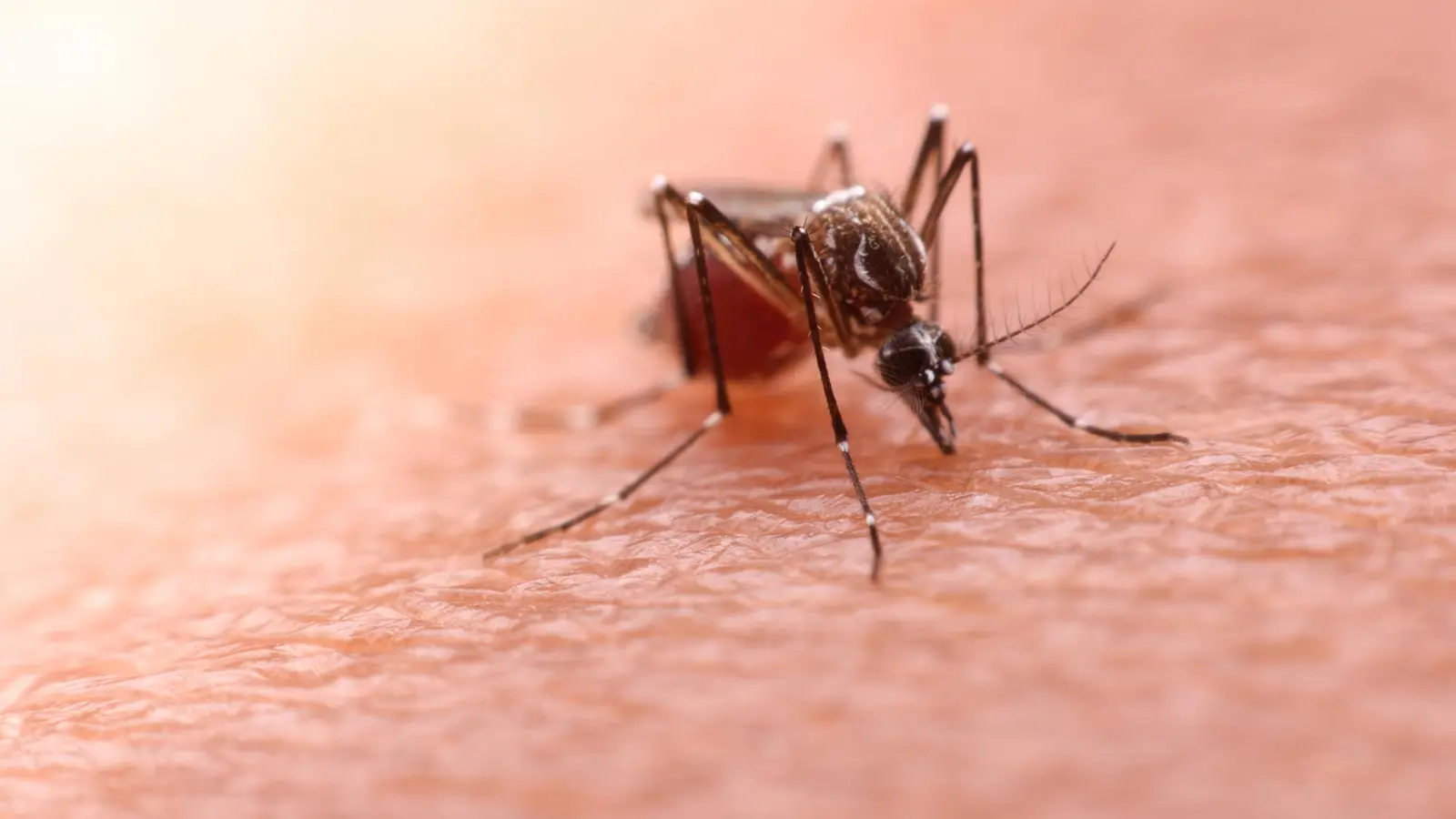
Imagine treating malaria with a drug class originally designed to fight tumors. Strange, yes. Promising, even more so.
Researchers at the University of São Paulo have been testing antineoplastic derivatives against Plasmodium falciparum, the parasite responsible for roughly 90% of malaria deaths. In laboratory dishes, a subset of these compounds knocked out parasites during the fever-producing asexual phase and—critically—during the gametocyte phase that lets the infection jump back into mosquitoes. Two strikes in one. That’s the kind of double-duty activity drug developers dream about.
Why does that matter? Because malaria is not a single, static enemy. The parasite shifts forms inside the human body, multiplying in red blood cells to cause illness and later maturing into gametocytes that are invisible to many treatments yet essential for transmission. A medicine that can both cure symptoms and block spread would be a tactical advantage in regions where drug resistance has eroded standard therapies.
Resistance is not theoretical. P. falciparum has steadily chipped away at frontline drugs such as chloroquine and artemisinin, and the World Health Organization estimated nearly 600,000 malaria deaths in 2024. New strategies are urgent. So the notion of repurposing cancer-focused molecules is more than clever recycling; it’s a strategic pivot.
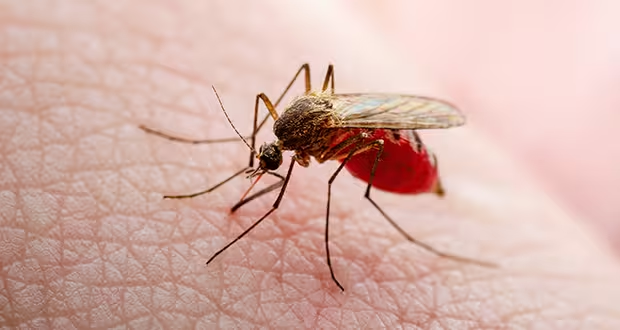
Of the 14 derivatives the team screened, several showed clear activity in vitro against both parasite stages. Some even displayed a widening gap between parasite killing and harm to human cells—an early hint of selectivity. But laboratory potency does not automatically translate into safe, effective medicines for patients. These are cell-culture results, not clinical ones. The leap from petri dish to person is long and littered with surprises.
Toxicity is the elephant in the room. Compounds in this class are known to cause side effects such as nausea, fatigue, and blood-count abnormalities. And many degrade quickly in biological conditions, which could blunt their usefulness in patients. The São Paulo team is not ignoring these hurdles; they are confronting them by dissecting how slight changes in chemical structure alter both the parasite-fighting power and the compounds’ safety profile.
That structural sleuthing paid a strategic dividend. Experiments implicated histone deacetylase enzymes inside the parasite as a likely molecular target. In plain terms: the researchers have a direction. Instead of random tinkering, they can now design molecules with specific features to improve potency and reduce collateral damage to human cells. Rational design replaces guesswork.
There’s also ambition beyond P. falciparum. Brazil’s burden of Plasmodium vivax—another malaria species with a knack for relapsing from dormant liver stages—means any future drug must be tested against different parasites and life-cycle quirks. The team plans to evaluate these derivatives against P. vivax next, a necessary step if the goal is broad, real-world impact.
Laboratory discovery is the opening chapter, not the epilogue. Stability in the bloodstream, acceptable safety margins, dosing regimens, and effectiveness in animal models and clinical trials will determine whether these cancer-born candidates ever reach clinics. Still, the idea that molecules forged to tame cancer might also break malaria’s chain of transmission is a striking example of scientific cross-pollination: one field’s toolbox becoming another’s lifeline.
Repurposing oncology compounds against malaria is an intriguing path—one that could reshape how we hunt for next-generation antimalarials, if the early lab promise survives the gauntlet of real-world testing.

Leave a Comment
Comments
No comments yet. Be the first.