
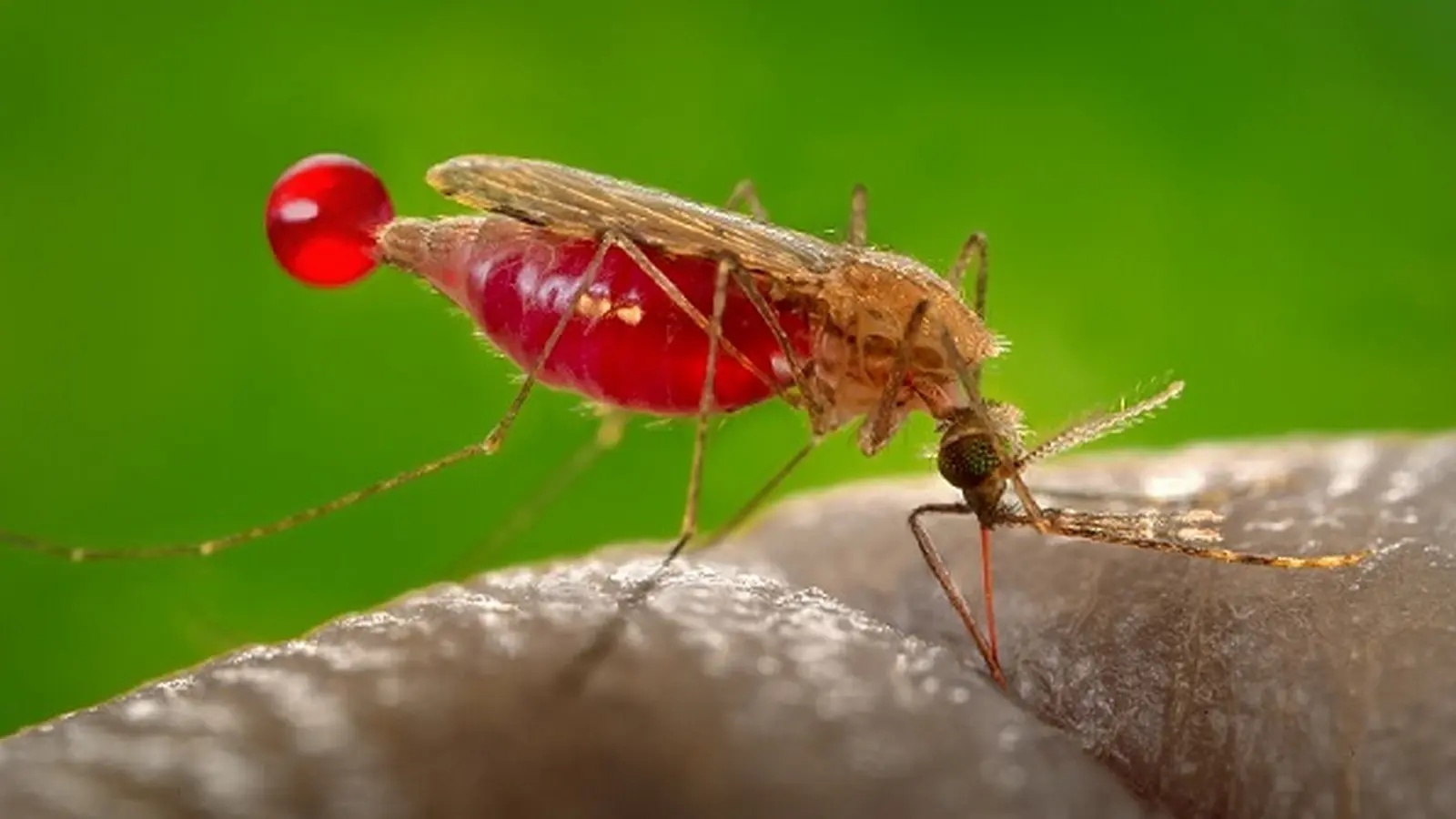
Picture a parasite quietly collecting a toolkit of genetic tricks. Not a single mutation, but a mosaic. A patchwork. Dangerous when combined.
That image comes from a genetic survey of Plasmodium falciparum in Ethiopia, led by Alemayehu Letebo and colleagues and published in Nature Microbiology. The team sequenced known drug-resistance genes from 605 parasite samples gathered across 15 districts between 2019 and 2023, searching for the footprints of past and present treatments.
Malaria kills swiftly and disproportionately, mostly young children in sub-Saharan Africa. Over decades, the parasite has learned to shrug off nearly every antimalarial humans have deployed, and artemisinin — discovered in the 1970s and central to today’s therapies — is no exception. Partial artemisinin resistance was first spotted in Southeast Asia, and signs of it are now turning up in Africa.

A map showing where the samples were collected, malaria intensity, and malaria parasite overlap.
Ethiopia offered a complicated laboratory. Chloroquine has been retired for treatment of P. falciparum for years, yet P. vivax, a milder malaria species that often shares the same regions, is still treated with chloroquine. Could that overlap be keeping old resistance alive?
The genetic answers are striking. Chloroquine-resistance markers showed up in 61.2 percent of 492 classified samples. Markers linked to sulfadoxine-pyrimethamine resistance remained common too, seen in 42.8 percent of 453 samples, despite that drug being out of use for P. falciparum in Ethiopia since 2005. And the main marker associated with partial artemisinin resistance was present in 10 percent of 572 samples, with one district reaching nearly 49 percent.
Even more worrying: these markers often travel together. Parasites carrying chloroquine resistance had more than threefold higher odds of also harboring artemisinin-partial-resistance markers. A genetic signature associated with reduced sensitivity to lumefantrine was detected in 93 percent of 483 classified samples. Coat one mutation with another and you get a potential double whammy.

Graphs detailing the prevalence, geographic spread, and co-occurrence of the resistance mutations.
Important caveat: the study reports genetic markers, not clinical treatment failures. Genetics can warn us early, but they do not prove a drug is failing on the ground. Still, the geographic mosaic of resistance seen across districts makes a clear point — Ethiopia does not face a single, uniform problem. It faces many localized battles.
Region-specific surveillance and targeted interventions are now essential if treatments are to remain effective.
The authors recommend integrated monitoring that tracks both P. falciparum and P. vivax, coupled with whole-genome sequencing and longitudinal clinical data to tie genetic changes to patient outcomes. In short: more granular data, faster sequencing, and smarter responses tailored to local parasite populations.
What follows is a choice. Health systems can keep reacting to outbreaks with broad strokes, or they can invest in the finer-grained surveillance this study argues for. Either way, the parasite is changing; our strategy must change faster.

Leave a Comment
Comments
No comments yet. Be the first.