
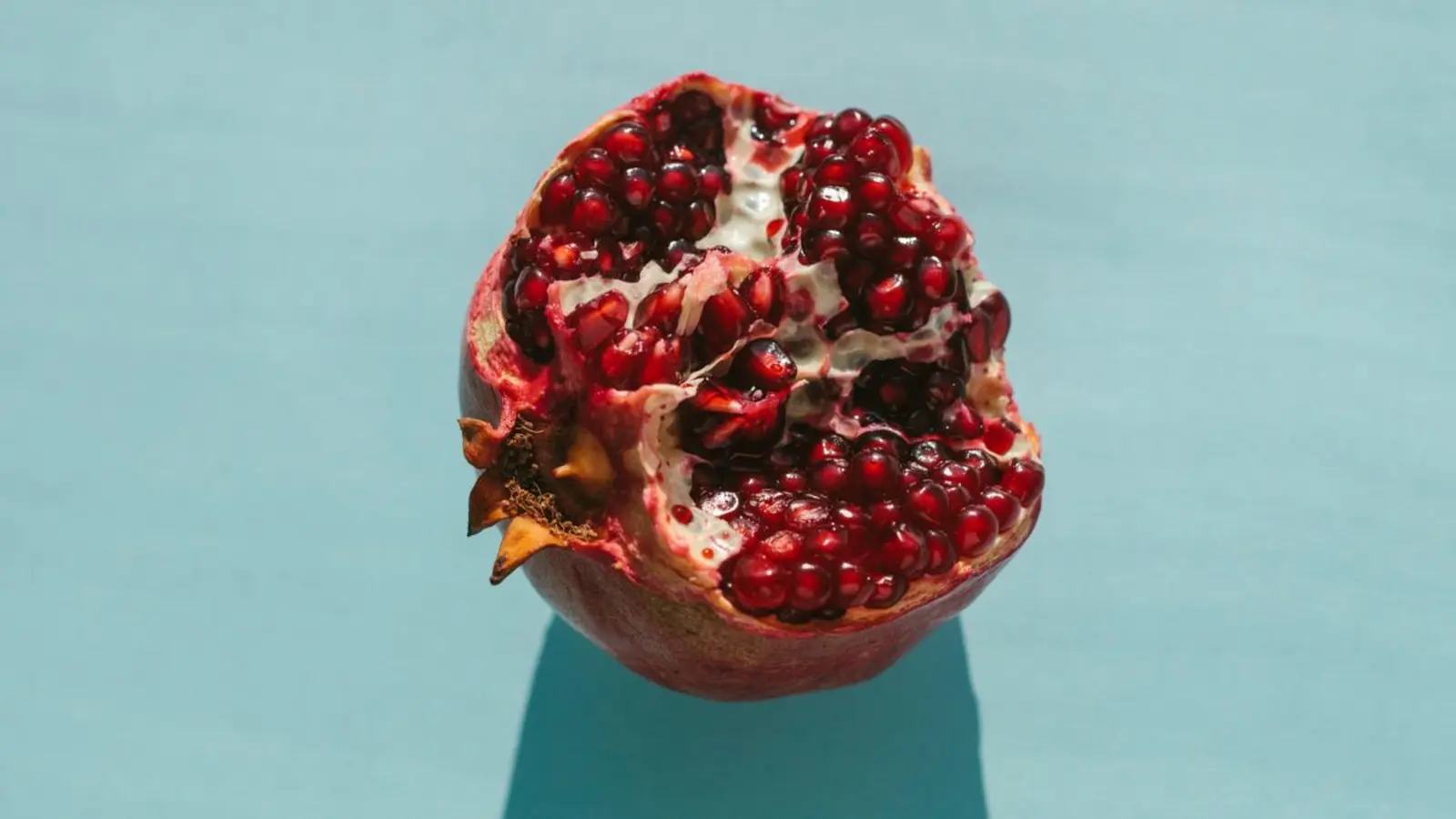
Not every fruit hides a pharmaceutical. But pomegranate hides a tiny molecule that, once sculpted by our gut microbes, is suddenly very interesting to cardiologists.
Urolithin A is the name on the lab bench. When you eat pomegranate, gut bacteria can convert its compounds into this metabolite. Over the past few years it cropped up in studies for its anti-inflammatory and anti‑aging hints. Now King's College London researchers report that urolithin A can flip a biochemical switch in the heart, restoring function in stiff, failing mouse hearts by as much as 80 percent compared with untreated animals.
The work, published in Science Advances and supported by the British Heart Foundation, tracked two threads at once: diseased mouse models and engineered human heart tissue grown from stem cells. In mice with hearts that had become rigid and scarred, urolithin A eased scarring, improved the organ's ability to relax between beats and lowered pressure inside the heart — the very problems that lead to fluid buildup and dangerous enlargement.
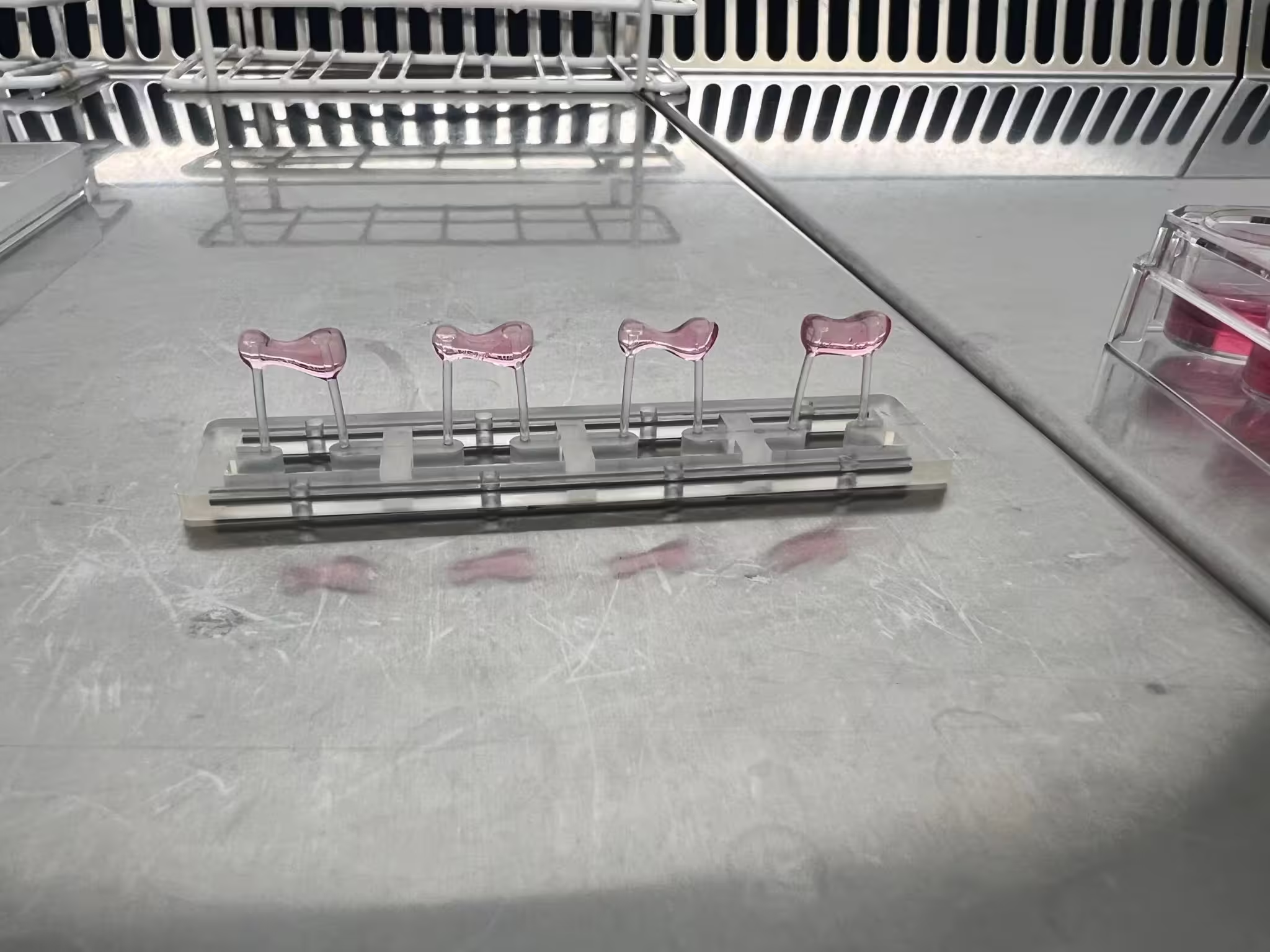
Engineered heart tissues.
Why does that matter? Because the condition at play is heart failure with preserved ejection fraction, or HFpEF. Patients with HFpEF still squeeze blood normally, but their ventricles are too stiff to relax properly. Standard heart‑failure drugs often aim to boost pumping; here the problem is the opposite — the heart can't unwind. That mismatch has left clinicians with too few effective treatments.
Mechanistically, the team traced urolithin A's benefit to activation of a protein called PKGIα, a regulator tied to blood‑pressure lowering and myocardial relaxation. In engineered human cardiac tissue, the metabolite sped up both contraction and relaxation, consistent with the mouse data. In short: the molecule looks like a lubricant for a stiff engine — it helps the heart relax again.
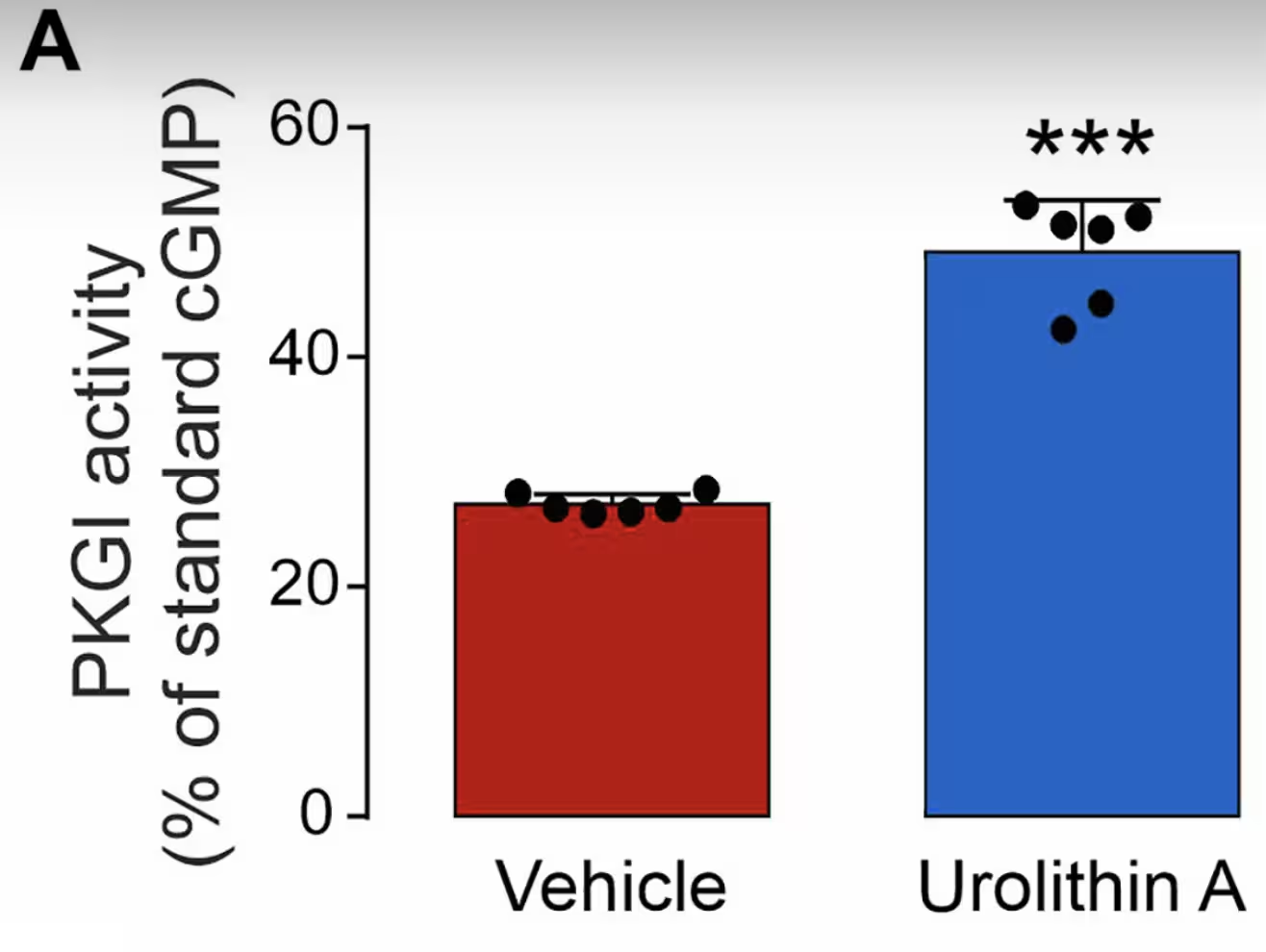
Urolithin A boosted PKGIα activity in lab tests.
The most striking takeaway: urolithin A engaged PKGIα and substantially improved diastolic function in preclinical models, revealing a novel therapeutic target for HFpEF.
Those results are promising, but the path from lab bench to bedside is long. The experiments were preclinical: male mice and lab-grown human tissues. Women are more likely to develop HFpEF than men, and rodent hearts can respond differently to metabolic or pressure stress across sexes. Whether the benefits will translate to the diverse populations seen in clinics remains unknown.
What should someone do right now? Enjoy fruit as part of a balanced diet, but don't treat pomegranates like medicine yet. Large, randomized clinical trials are required to test safety and effectiveness in people. If urolithin A does pan out, it could represent a fresh class of therapy aimed specifically at improving how the heart relaxes — a desperately needed option for many patients.
Research like this nudges open a door. Will clinical studies walk through it? Time — and trials — will tell.

Leave a Comment
Comments
No comments yet. Be the first.