

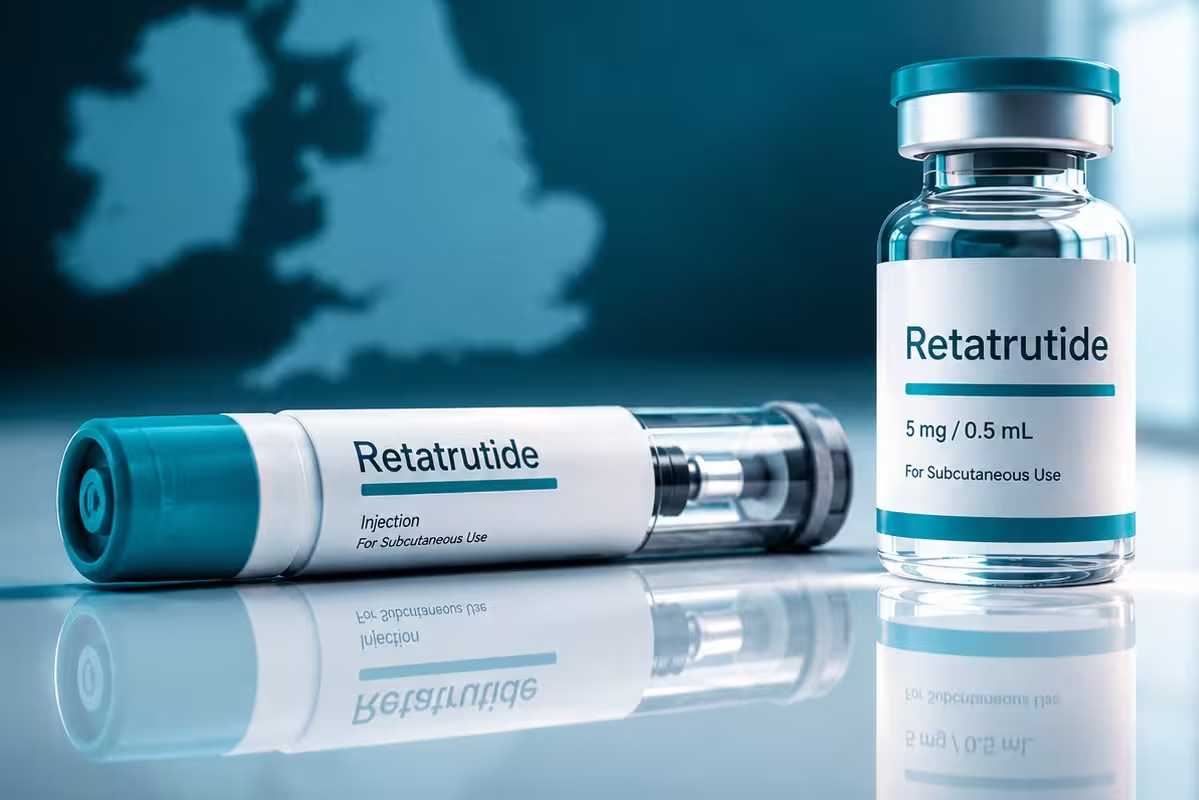
Picture a single injection that flips three metabolic switches at once. That is the selling point behind retatrutide, an experimental triple-agonist that mimics GLP-1, GIP and glucagon receptors to curb appetite, lower blood sugar and crank up calorie burn. The results from the largest randomized, double-blind, placebo-controlled trial of the drug read like a caffeine-fueled promise: substantial weight loss and clearer glucose control in people with type 2 diabetes.
The trial spanned eight countries and included 2,047 adults with type 2 diabetes and a body mass index of at least 27. Men and women, average age 55, were enrolled from Argentina, Australia, Brazil, India, Mexico, Romania, Spain and the United States. After an 80-week phase 3 period, 1,152 participants were randomized into four arms: placebo or weekly injections of retatrutide at 4 mg, 9 mg or 12 mg. All groups received standard guidance on diet and exercise.
Weight loss was dose-responsive. Those on 4 mg lost an average 11.9% of baseline weight. At 9 mg, the mean drop was 16.8%. And at 12 mg, average loss climbed to 18.8%. By contrast, the placebo group lost about 5.1% on average. The higher-dose cohort delivered headline-grabbing achievements: 47% of participants on 12 mg shed at least 20% of their starting weight, and 31% lost at least 25%—numbers rarely seen in pharmacologic trials for obesity. Placebo rates for the same milestones were 6% and 3% respectively.
Retatrutide didn’t just shift the scale. Glycemic control improved markedly: 72% of treated participants reached an HbA1c of 6.5% or lower, compared with 29% on placebo. That measure, reflecting average blood glucose over two to three months, sits at a key diagnostic threshold for type 2 diabetes, so the clinical meaning is immediate. Researchers also reported favorable moves in blood pressure and lipid profiles, alongside reductions in high-sensitivity C-reactive protein, a marker of inflammation linked to cardiovascular risk.
Side effects were mostly gastrointestinal. Diarrhea occurred in 27–34% of people taking retatrutide versus 13% with placebo. Nausea was reported in 14–28% of treated participants, compared with 8% on placebo. During the trial seven participants died—distributed across dosing groups and placebo—but the lead investigator said none of the deaths were attributable to the study drug.
How does retatrutide differ from the drugs that kicked off the obesity medication wave? Semaglutide (marketed as Wegovy) primarily targets GLP-1 pathways, while tirzepatide (Mounjaro) hits both GLP-1 and GIP. Retatrutide adds glucagon receptor agonism to that mix, a mechanism that may boost energy expenditure as well as curb appetite—hence calls from some corners of the endocrinology community to think of it as a metabolic trident rather than a single-headed arrow.
The work was unveiled at the annual European Association for the Study of Diabetes meeting in Milan and has been published in The Lancet. It arrives alongside a separate Lancet Women & Reproductive Health analysis that examined pregnancy outcomes among women with type 2 diabetes exposed to weight-loss drugs. That study found no widespread link to adverse pregnancy events, but authors warned the evidence base is still thin—especially as these medications become more commonly used by people of childbearing age.
For clinicians and patients, the data are both tantalizing and tentative. A large trial with robust endpoints suggests retatrutide may rewrite expectations for drug-driven weight loss and diabetes control. Regulators have not yet approved the medicine, and unanswered questions remain: long-term safety, effects in populations without diabetes, and how the drug behaves in pregnancy among them. The next few years will tell whether this triple-action compound becomes another toolbox staple for metabolic disease—or a brief, bright flash in the evolving landscape of obesity treatment.


Leave a Comment
Comments (1)
wow those weight numbers are crazy, but GI issues in 1/3 of ppl? kinda worried... if it really boosts calorie burn then huge, but longterm??