
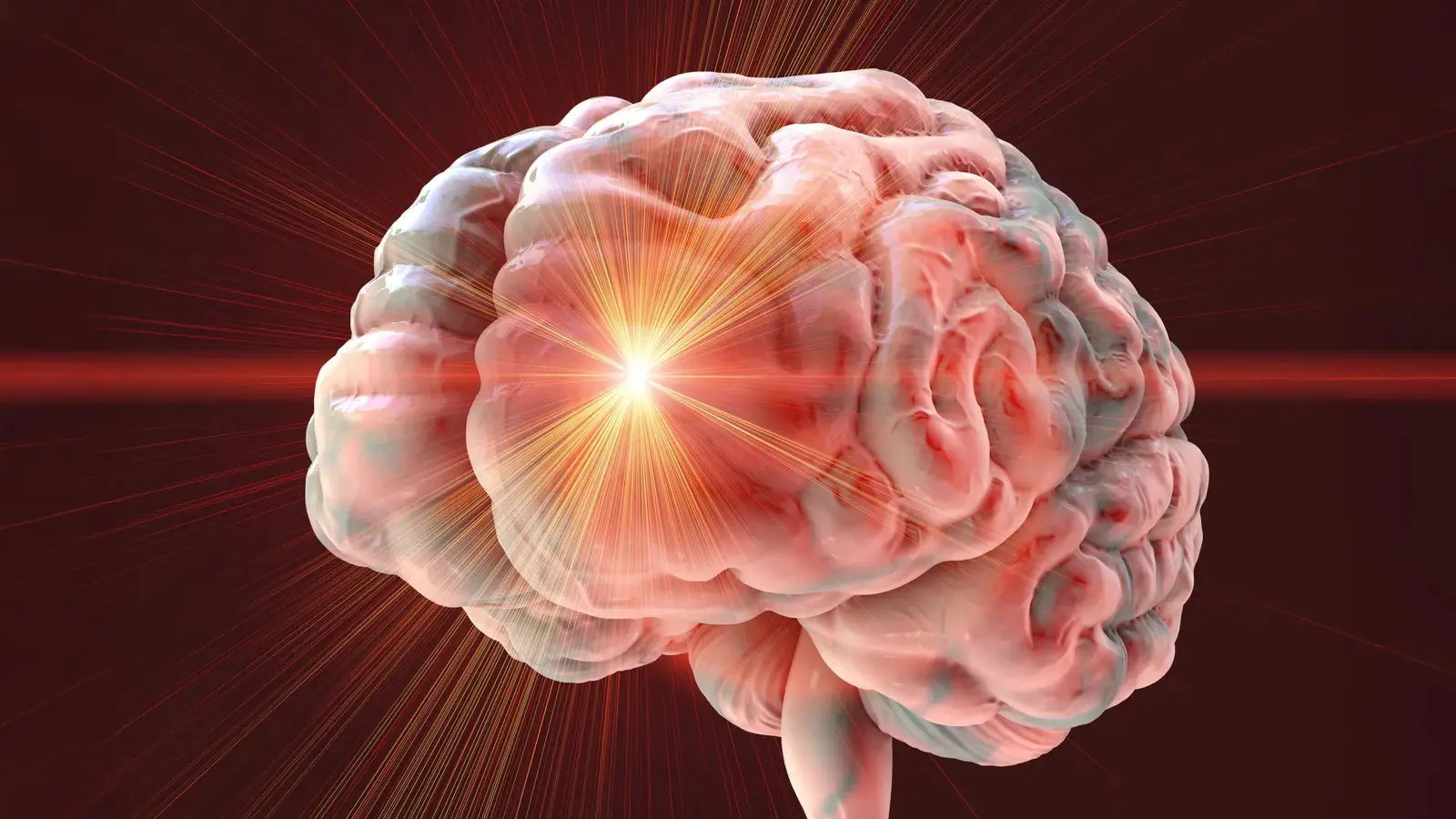
Imagine a single hormonal whisper that tells the brain: protein is scarce. The body listens. It shifts fuel use, tweaks appetite, and—according to growing evidence—may slow the clock on aging.
Researchers at LSU's Pennington Biomedical Research Center are piecing together that whisper. In a perspective published in Cell Metabolism, Dr. Chris Morrison, Dr. Sora Kim, and Dr. Sangho Yu argue that reducing dietary protein does more than spare calories; it launches a coordinated physiological program that links nutrient sensing, endocrine signals, neural circuits, and tissue-level responses.
Central to their account is FGF21, a hormone produced in response to low protein that acts on the brain. In experiments from Pennington's Neurosignaling Laboratory, FGF21 proved necessary for many effects of protein restriction: altered food choices, shifted metabolism, and even lifespan extension in model organisms. The hormone, it seems, converts a peripheral nutrient signal into a whole-body strategy.
How does the animal know protein is lacking? That simple question drives the work. In fruit flies, gut-derived cues inform the brain and change both feeding behavior and longevity. Mammals show echoes of this arrangement: signals from digestive tissues and circulating hormones converge on neural circuits that then coordinate systemic adjustments. The picture emerging is less a single pathway and more an orchestra, with FGF21 as a conductor.

Could we read out how well that orchestra plays? The authors suggest several candidate biomarkers. Responsiveness to FGF21, shifts in glucose handling and energy expenditure, and measurable changes in appetite for protein or essential amino acids could all serve as visible signs that the adaptive program is engaged. Appetite for protein might not be the cause of benefit, they note, but its intensity could indicate how deeply the body has shifted into the protein-restricted state.
That insight matters because responses vary widely. Sex, genetics, age, and metabolic health alter how organisms react to the same diet. If measurable features of the protein-restriction program map onto those differences, clinicians and researchers could better individualize dietary approaches—or seek drugs that mimic the beneficial cascade without forcing strict diets.
But the critical mystery remains: where do the lifespan gains actually come from? At a cellular level, aging research points to a dozen hallmarks—mitochondrial decline, cellular senescence, genomic instability among them. Studies in model organisms show protein restriction nudges several of these processes. The Pennington framework reframes those nudges as parts of an integrated physiological state rather than isolated molecular tricks.
That shift changes the questions we ask. Is lifespan extended by one dominant pathway, or by the interplay of many modest shifts across tissues? Can targeting neural coordination amplify protective effects? Answering these questions will require experiments that trace signals from diet to hormone to brain to cell, and back again.
What started as a curiosity about dietary protein has opened a window onto how eating shapes physiology at multiple scales. If a brain-sensed, hormone-driven program does underlie the benefits of protein restriction, then the next leap will be learning how to tune that program for people, with precision rather than guesswork.


Leave a Comment
Comments
No comments yet. Be the first.