
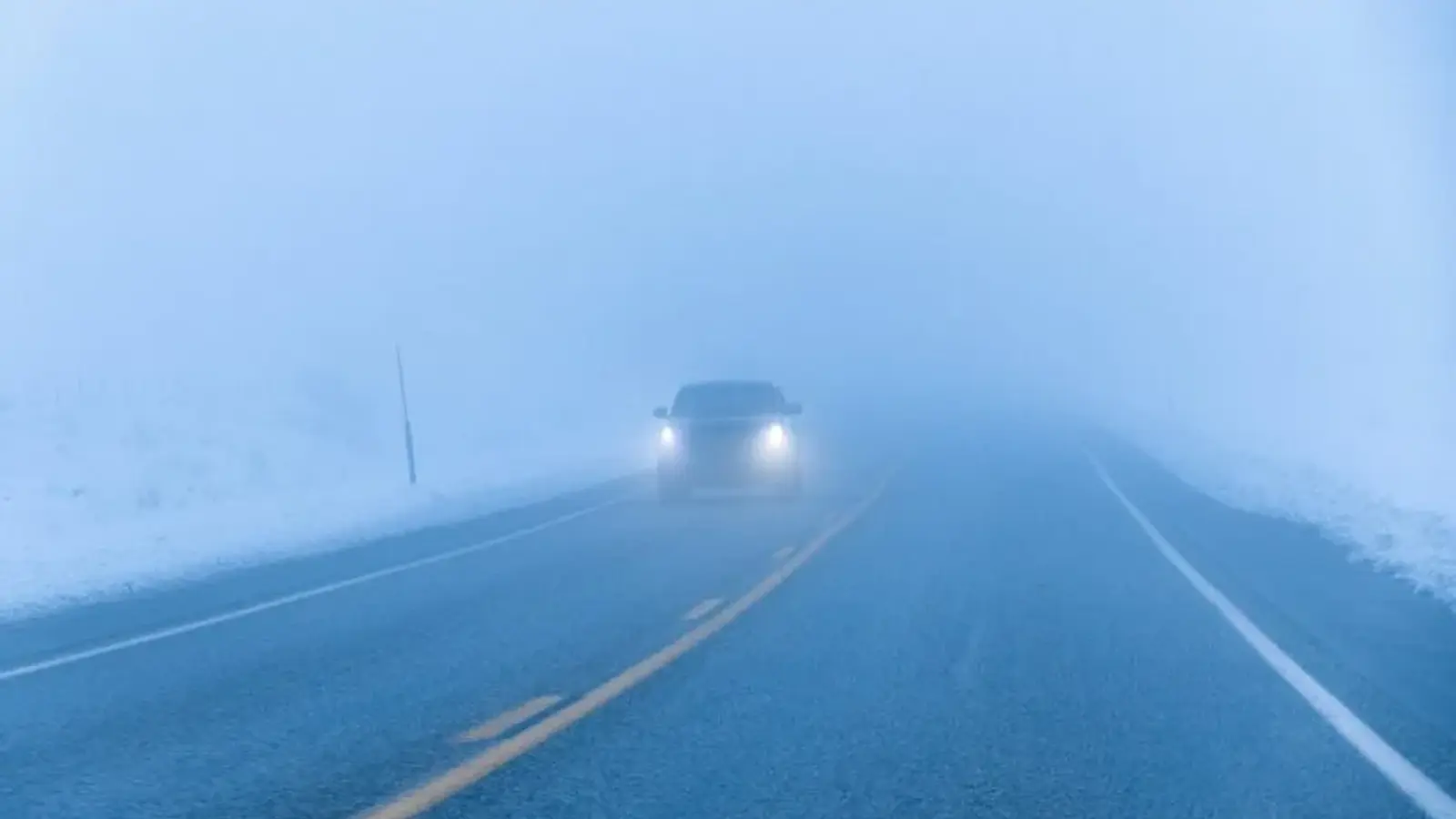
Imagine driving into a white wall. One second the road is there; the next, it has vanished. Panic flickers. Sight fails — but a new kind of camera keeps working.
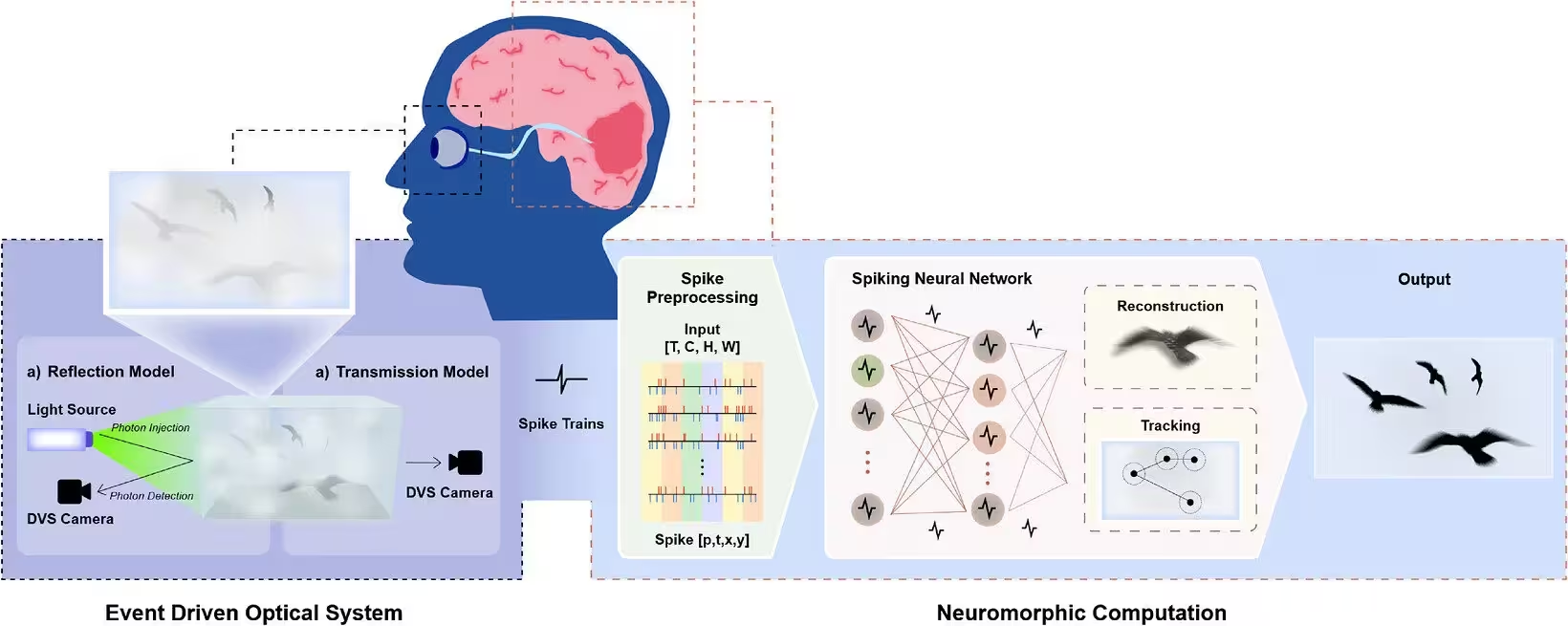
Scientists at Brown University have built an imaging system that doesn't try to record every pixel all the time. Instead, it borrows a trick from biology: record only the changes. A dynamic vision sensor—sometimes called an event camera—sends signals when a pixel's brightness shifts past a threshold. Those sparse, timestamped events then feed a spiking neural network, a brain-inspired processor that stitches the events into a coherent picture of moving objects.
The lab tests read like a magician's reveal. Letters, numbers and the silhouettes of different bird species were swept behind a fog-filled chamber and through murky water. To the naked eye and to conventional cameras the shapes were invisible. The new system reconstructed and tracked the moving forms in real time.
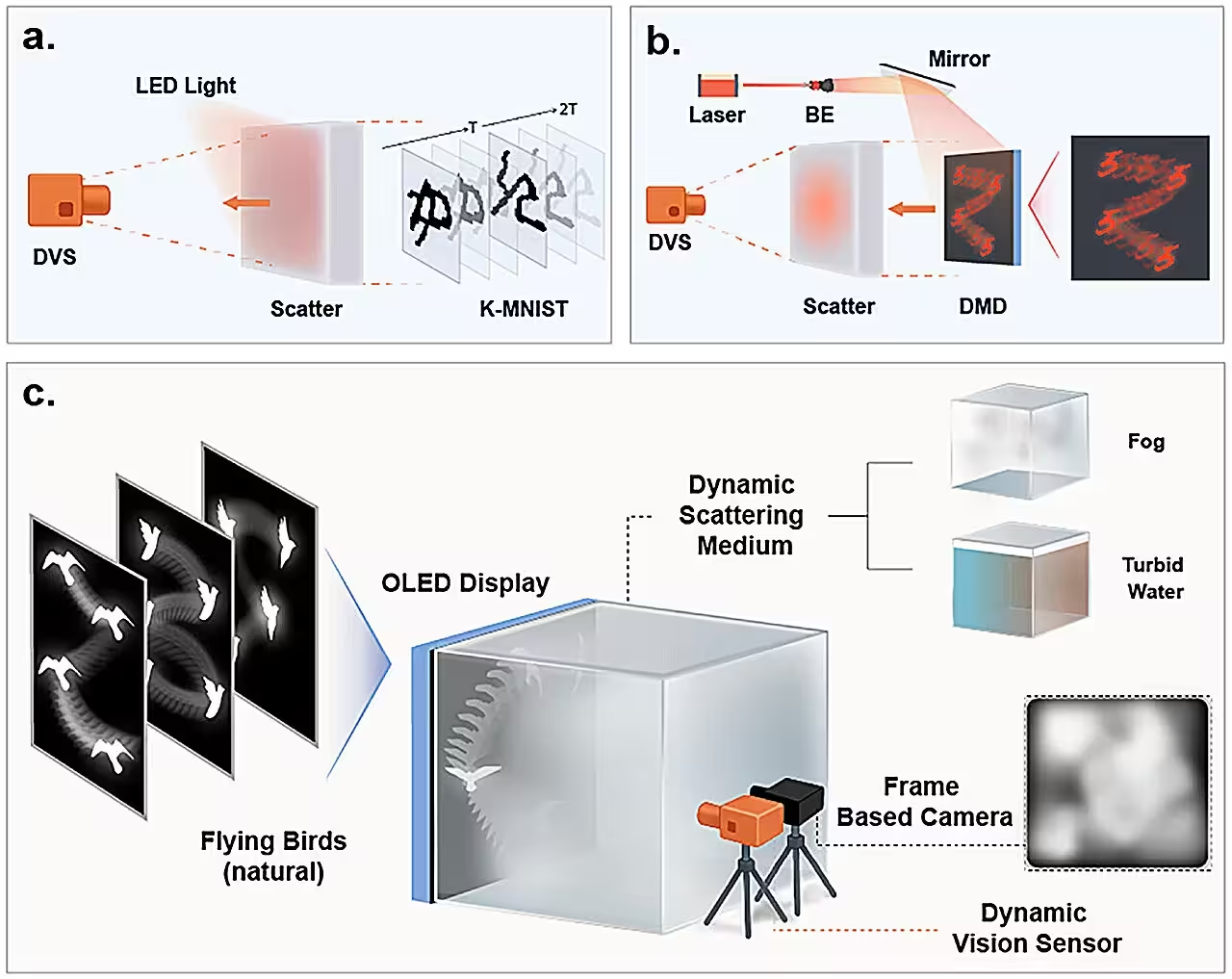
In controlled trials the reconstructed images matched the hidden objects with up to 96% structural similarity.
How does it pull that off? Scattering media such as fog and turbid water smear and dim light, but they change slowly compared with a moving object's edges and motion. The event sensor is largely blind to the slowly varying, scattered background and fires only when light tied to the object changes. Spiking neural networks are naturally suited to that spiky, time-stamped data—processing pulses instead of dense frames—and so the whole pipeline stays lean on power. The sensor itself consumes only a few tens of milliwatts, and the event-driven network uses far less energy than conventional frame-based systems.
The possible uses are immediate and wide-ranging: giving autonomous cars better vision in storms, guiding search-and-rescue drones through smoke and dust, aiding underwater navigation where visibility collapses, or even enhancing certain medical imaging tasks where scattering obscures features. The team documented their results in Advanced Science, and they say the design is ready to be tested on real-world platforms.
When machines learn to see like our retinas—attending to motion and change rather than trying to freeze every scene—things that once disappeared into haze begin to reappear. What will we be able to find next when the fog lifts for good?


Leave a Comment
Comments
No comments yet. Be the first.