

Imagine a form of diabetes born not from genes or modern lifestyles, but from years of childhood hunger and chronic nutrient scarcity. In 2025 the International Diabetes Federation quietly did what decades of debate could not: it gave that illness a name — Type 5 diabetes — and asked global health bodies to take it seriously.
The story stretches back to 1955, when doctors first described a peculiar diabetes in Jamaica. It flickered in and out of official classifications for years. The World Health Organization acknowledged the pattern in the late 20th century and then retreated when evidence seemed thin. For patients on the ground, however, this was not an academic puzzle. Misdiagnosis was common. Treatments were often wrong. Lives were lost.
How is Type 5 different from the diabetes most readers know? Type 1 destroys insulin production through autoimmunity. Type 2 blunts insulin’s effect through resistance. Other forms follow pancreatic injury or pregnancy. Type 5, formerly labeled malnutrition-related diabetes mellitus, appears to arise from prolonged nutritional deficits that stunt pancreatic development and its ability to secrete insulin. The twist: these patients are often still insulin-sensitive, not resistant.
That nuance matters. If a clinician treats someone with Type 5 the same way they’d treat classic Type 2 — by pushing insulin doses or drugs designed for insulin resistance — the patient can swing into dangerous hypoglycemia, especially where food is scarce and glucose monitoring is a luxury. Small doses, or therapies that stimulate residual insulin production, may be the safer path.
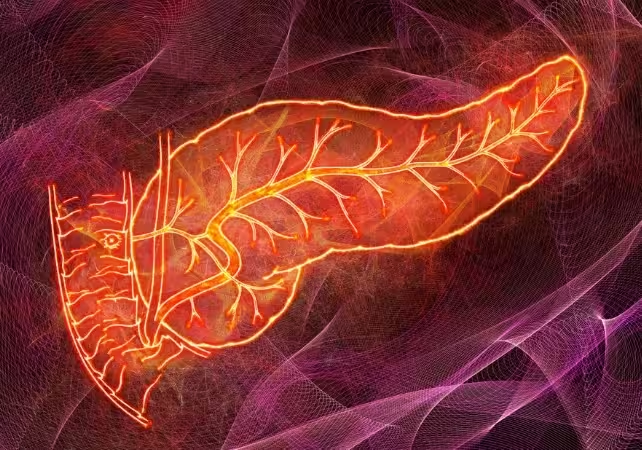
The pancreas produces insulin, which helps cells absorb glucose from the blood.
Research is catching up. Small clinical studies and animal work over the past decade have sketched a metabolic fingerprint distinct from other diabetes types. A trial in south India found people with this condition are insulin-deficient like those with Type 1, but to a lesser degree, and they retain insulin sensitivity. Reviews from clinicians in affected regions describe a plausible mechanism: chronic undernutrition during critical developmental windows leaves the pancreas ill-equipped for life’s metabolic demands.

Still, the science is messy. Estimates of how many people are affected vary wildly. Some experts argue Type 5 is more common than tuberculosis in certain communities and approaches the prevalence of HIV/AIDS in others; others caution that inconsistent diagnosis inflates those numbers. Without a stable definition, funding and large-scale studies remain elusive.
.avif)
Undernutrition in infancy and early childhood can lead to diabetes.
That is exactly why the IDF formed a working group in 2025. Chaired by clinicians who have spent years treating malnutrition-linked diabetes, the group’s brief is pragmatic: agree diagnostic criteria, assemble a global registry, test targeted therapies, and train frontline health workers in regions most at risk. It’s a tall order. Science needs careful case definitions, and clinics need tools that work in low-resource settings.
Formal recognition won’t cure the disease overnight, but it opens doors to diagnosis, research and treatments that could stop needless harm.
The debate isn’t only scientific. It’s political and moral. Which illnesses receive attention, money and public health programs often depends on nomenclature as much as biology. Giving Type 5 a place in official taxonomies rewires priorities; it signals that chronic childhood undernutrition and its long-term metabolic consequences matter to global health.
Expect new studies to refine who counts as Type 5, what biomarkers matter, and how best to treat people who live on the knife-edge between insulin deficiency and food insecurity. Expect, too, policy fights and hard questions about resource allocation. But for clinicians who have watched young patients deteriorate after inappropriate treatment, recognition is relief and responsibility rolled into one.

The next chapter will demand science, funding and political will — and a willingness to see hunger not just as poverty, but as a catalyst for a distinct, preventable disease.

Leave a Comment
Comments (1)
I've seen kids like this in rural clinics, tiny and malnourished then diabetes. Misdiagnosed for years. IDF naming helps, but local training and cheap tests are urgent, pls