

3 Minutes
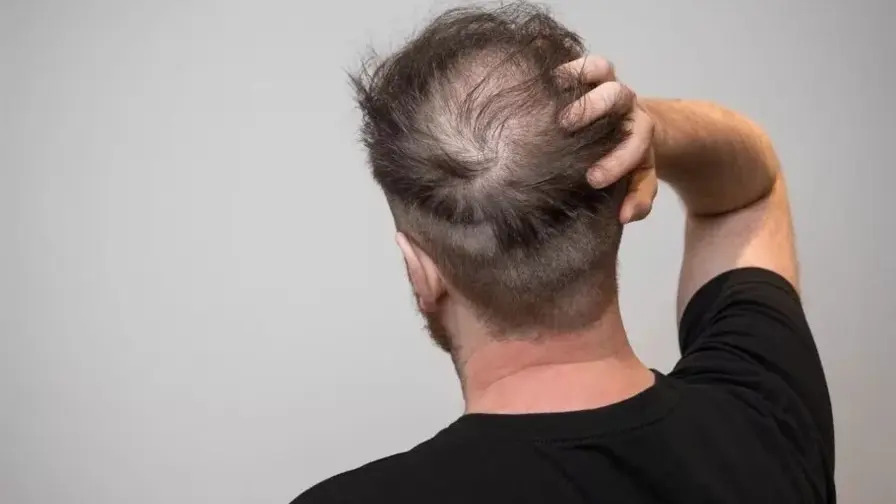
People taking popular GLP-1 drugs like semaglutide or tirzepatide may notice something they weren't told about at the pharmacy: thinning hair. It’s subtle. It may be temporary. But the signal is real enough to catch clinicians' attention.
Researchers at the University of Pennsylvania analyzed electronic health records from January 2019 through September 2024 to compare adults with type 2 diabetes who started GLP-1 receptor agonists against those starting SGLT-2 or DPP-4 inhibitors. The work, published in The BMJ, pooled thousands of patients to look for patterns that single case reports can't reveal.
Numbers matter. One comparison included 12,004 GLP-1 users and 15,221 people on SGLT-2 inhibitors; another paired 11,964 GLP-1 users with 11,233 DPP-4 inhibitor users. After adjusting for age, sex, ethnicity, body mass index, existing health conditions and other medications, GLP-1 drugs were tied to a 37% higher risk of alopecia versus SGLT-2s. That translated to 6.91 cases versus 5.04 cases per 1,000 person-years. Versus DPP-4 inhibitors the risk rose by about 68%, with rates of 6.53 versus 3.89 per 1,000 person-years.

The signal was strongest for non-scarring alopecia, where hair follicles remain intact and regrowth is possible. In that category GLP-1 users showed a roughly 53% increased risk compared with SGLT-2 users and about a 72% increase versus DPP-4 users.
Why would a diabetes drug affect hair? The simplest explanation is indirect: rapid weight loss. When the body sheds weight quickly, more hairs can slip into a resting phase, producing noticeable shedding months later — a phenomenon clinicians call telogen effluvium. Nutritional shifts that follow fast weight loss, such as drops in iron or zinc, can worsen the problem. Hormonal and metabolic changes tied to these medications might also play a part, but the study couldn’t disentangle those mechanisms.
It’s worth noting the people prescribed GLP-1 drugs in the study tended to be younger and heavier and to have fewer cardiovascular or kidney problems than comparison groups. The investigators accounted for these differences using statistical methods, but observational research can never fully mimic the control of a randomized trial.
That brings us to limits. The analysis relied on medical records, so researchers couldn’t consistently capture how severe the hair loss was, whether it reversed after stopping the drug, or whether mild cases went unreported. And association is not the same as proof of cause.
The practical takeaway is straightforward. The absolute risk was low, yet not negligible — a detail that could matter to someone weighing dramatic weight loss and diabetes control against the worry of visible shedding. Patients experiencing unexpected hair thinning after starting a GLP-1 should feel empowered to mention it to their clinician; a brief conversation can help sort out timing, nutrition, and next steps.
As GLP-1 therapies become more common, clinicians and patients alike will need to watch hairlines as carefully as blood sugar and weight; a small side effect for some could be a big deal for the person looking in the mirror.

Leave a Comment
Comments
No comments yet. Be the first.