
4 Minutes
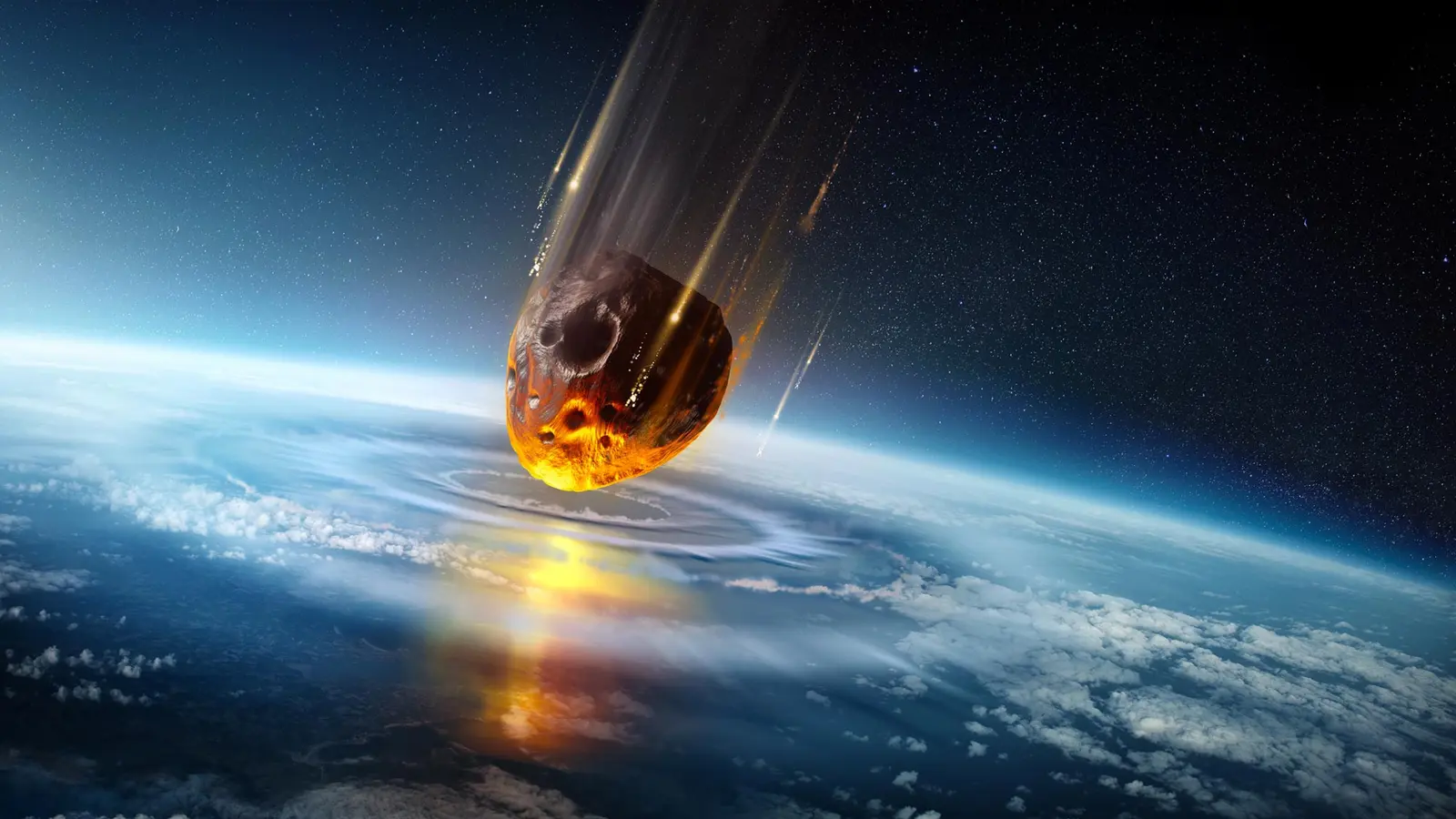
Imagine a pebble from space arriving not as a smooth streak of light but as a drama unfolding in seven acts. That is the picture emerging from a new study that painstakingly reconstructed 75 meteorite falls recorded on video and in photos. What looked like simple burning turns out to be a complex choreography of melting, spinning, cracking and finally scattering across the landscape.
High above Earth, the show begins when the incoming rock first outruns the thin air. Collisions with molecules generate a shock and heat the object and surrounding gas until both glow—what we casually call a shooting star. That first glow marks the start of a sequence in which different physical processes take the lead at different altitudes.
Early on, melting is king. As the meteoroid plunges into denser air its surface softens and molten material flows and peels away. In many of the videoed events, brightness climbs steadily and sometimes pulses, revealing rotation. Some fragments completed a spin in half a second to a few seconds. Fast rotation stirs the melt, accelerating mass loss.
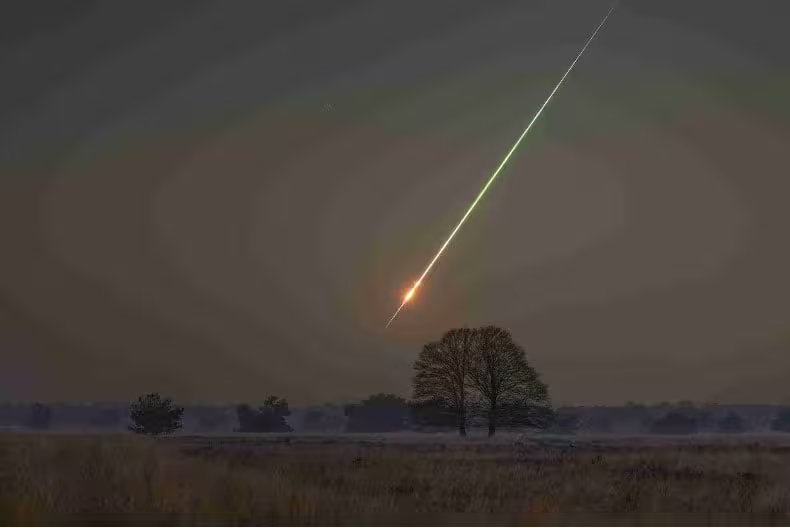
One of the documented meteorite falls investigated in this study. Fireball from the impact of asteroid 2023 CX1 over Normandy, France, on February 13, 2023. Meteorites called Saint-Pierre-le-Viger fell that day and were later recovered.
At greater depths the meteor brightens dramatically and the fireball stage sets in. The researchers found that stripping of molten droplets accounts for the lion's share of mass loss through much of the descent. Laboratory tests cannot reproduce the intense radiation and airflow of a real high‑speed entry, so these field observations are invaluable for understanding how natural entries behave.
Around 60 kilometers above the ground the object often reaches a melting equilibrium. Brightness levels off or rises more gently. Yet melting alone can shave away roughly 40 percent of the original mass—no small amount for something that began its journey in deep space.
The plot thickens as compressive forces mount. Air pressure in front of the rock starts to pry it apart long before the material reaches the strength we measure after recovery. Cracks seeded by prior collisions in space and thermal stresses appear to make many meteorites fracture early, producing multiple flares as pieces split off. When fragmentation intensifies, deceleration accelerates. The fireball sheds bulk and slows in a way that matches mathematical ablation models once fragmentation is included.
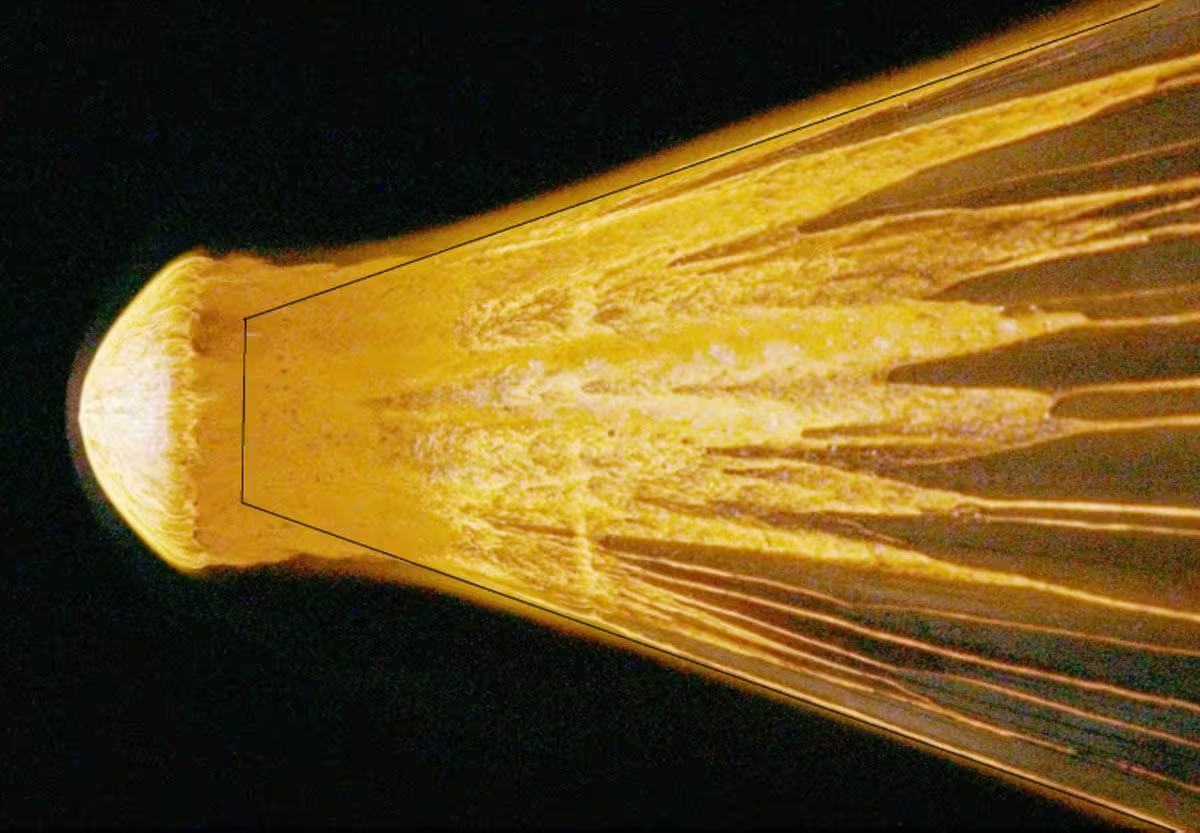
A stony meteorite in NASA Ames Research Center’s Arcjet Interaction Heating Facility. A thin black line outlines the holder that supports the stone (left). Air flow is from left to right. Melt flows from the meteorite surface and a thin shock wave is visible in front of the stone.
There is a surprising aerodynamic twist. If the rear of the main body remains coherent, it produces a low‑pressure wake that draws smaller fragments into its lee. Those fragments can ride that wake and land in a narrow strip. But when the back finally breaks—often accompanied by a last bright flare—fragments are ejected with higher relative speeds and scatter more widely. Late flares tend to look redder because by then the meteor has slowed considerably and the physics of glowing material has shifted.
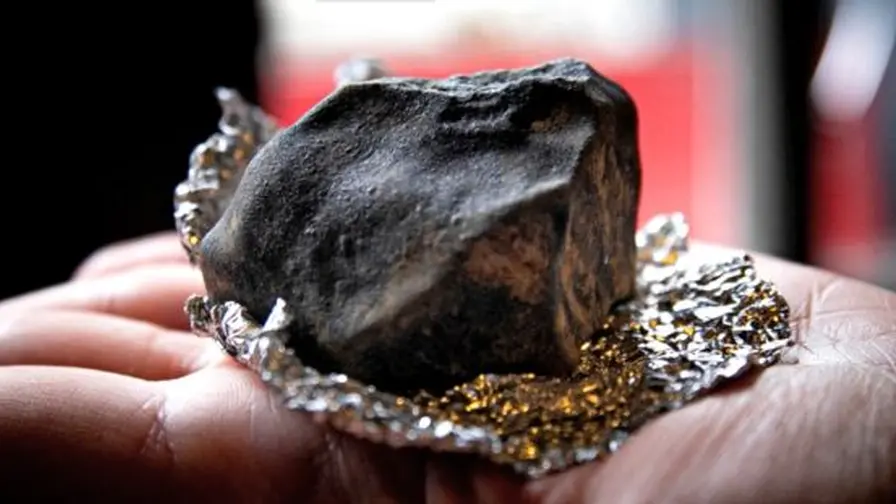
After that last breakup, remaining pieces continue to cool, melt minimally, and eventually stop glowing. A thin fusion crust forms on survivors. Winds in the lower atmosphere then take over, pushing the darkened stones sideways until they drop to the ground as the meteorites that collectors and scientists later recover.
Not all materials march through these stages at the same heights. By comparing 75 falls the team mapped where stony, iron, and mixed compositions pass through each phase. Those differences matter: they help scale the same physics up to larger, more dangerous objects. Solid asteroids tens of meters across—like the one that produced the Chelyabinsk airburst in 2013—appear to undergo equivalent thermal and mechanical stages because they tend to spin and behave like single coherent rocks rather than loose rubble piles.
The takeaway is simple but powerful: meteoroid entries are not governed merely by evaporation. Melting, droplet shedding, and sequential fragmentation shape how space rocks shed mass and slow. The result is a richer, more detailed map of the fiery journey from space to stone—a map that can sharpen our understanding of meteorite recoveries and the hazards posed by larger incoming bodies.


Leave a Comment
Comments (1)
wow, thought meteors just burned up fast. this seven-act drama is wild... melting, spinning, droplets peeling off, then a last bright flare. need the videos!