
3 Minutes
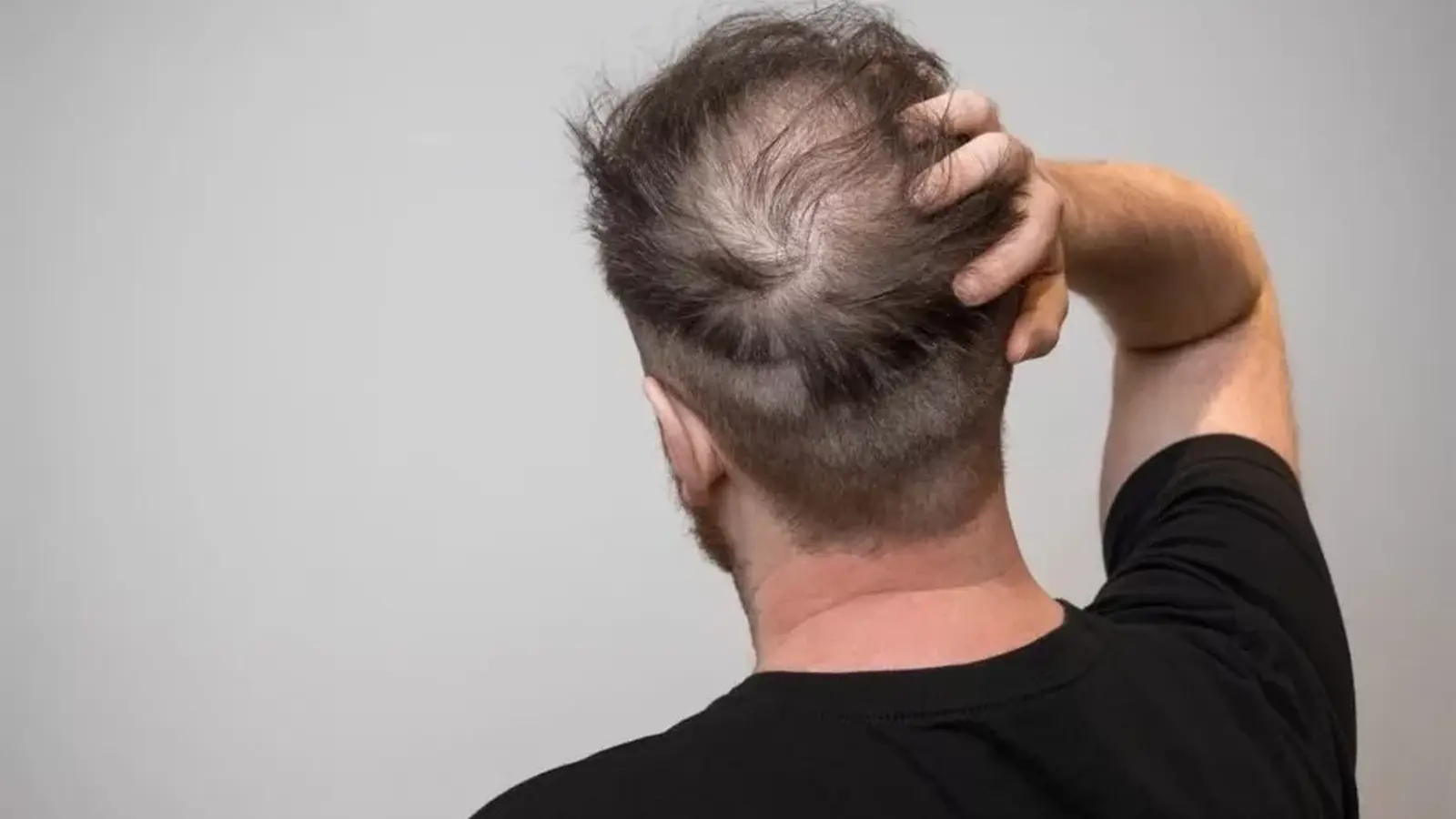
They promised dramatic weight loss and better blood sugar control. Many patients got both. But a quieter side effect has surfaced: more people on these drugs are reporting noticeable hair shedding.
Researchers at the University of Pennsylvania dug into electronic health records for more than 50,000 people with type 2 diabetes to see if the reports were real and how big the problem might be. They compared users of GLP-1–class and related incretin therapies — the medicines behind brand names such as Wegovy, Ozempic and Mounjaro — with people taking two other common classes of diabetes drugs: SGLT-2 inhibitors and DPP-4 inhibitors.
The numbers are blunt and specific. In one comparison, about 12,000 patients prescribed GLP-1 therapies were set against 15,221 taking SGLT-2 inhibitors. In another analysis, 11,964 GLP-1 users were compared with 11,233 people on DPP-4 drugs. After adjusting for age, sex, race and other health conditions, the team found a 37 percent higher relative risk of alopecia versus SGLT-2 drugs, and a 68 percent higher risk compared with DPP-4 drugs.
But relative risks can sound scarier than the reality. The study reports the absolute increase is small: roughly 7 cases of hair loss per 1,000 GLP-1 users per year, compared with about 5 per 1,000 for SGLT-2s and 4 per 1,000 for DPP-4s. Most of the hair loss observed was non-scarring alopecia — think temporary shedding rather than permanent damage — meaning hair follicles remain intact and regrowth is possible once the trigger is addressed.

So what might be driving this link? The investigators raise a few plausible mechanisms. Rapid weight loss and abrupt nutritional shifts are notorious triggers for telogen effluvium, a common, reversible shedding pattern in which hairs prematurely enter the resting phase. Reduced calorie intake can also precipitate deficiencies in key nutrients such as iron, zinc and biotin, each of which plays a role in normal hair cycling. Direct effects of incretin hormones on follicle biology remain speculative and will need lab work to confirm.
Experts stress an important point: statistical association is not the same as proof of cause, and the absolute risk is low. GLP-1 and related agents deliver unquestionable benefits for many patients — powerful glucose control, sustained weight loss and documented cardiovascular advantages. Emerging evidence has even hinted at protective effects in other areas, but that does not erase the need to recognize and manage side effects.
If hair loss appears after starting one of these drugs, the sensible first step is not to stop treatment on your own. Talk with a clinician. A careful review can identify nutritional gaps, timing consistent with telogen effluvium, or other treatable causes, and guide whether to adjust therapy or add supportive measures for hair recovery.
The study, published in BMJ, adds a useful data point for clinicians and patients weighing risks and benefits — and reminds us that every medical advance can bring new questions worth asking.


Leave a Comment
Comments
No comments yet. Be the first.