
2 Minutes
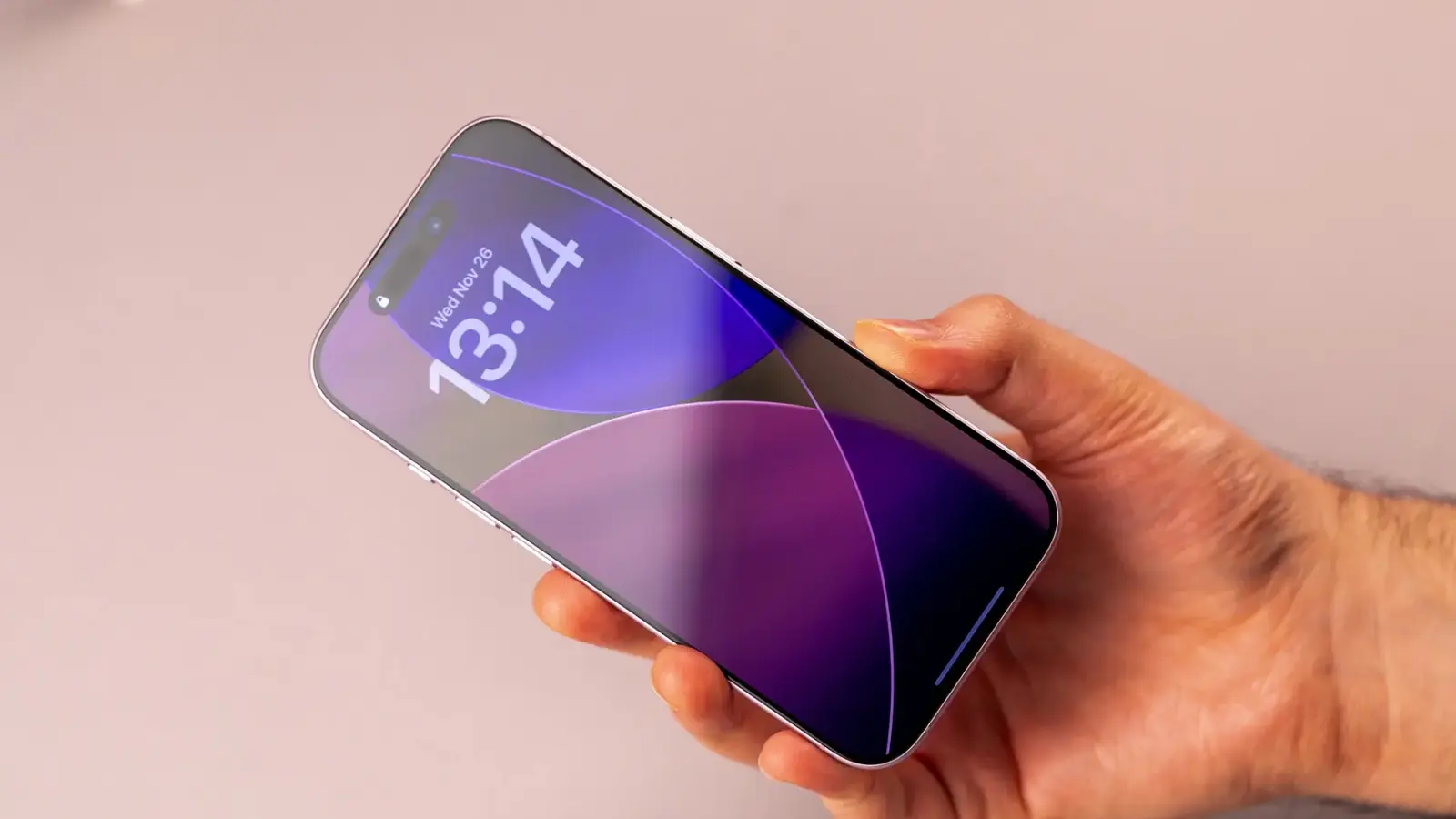
Apple appears ready to give the iPhone a memory boost — not for benchmarks, but to make Siri smarter and faster when you're offline. Sources cited by DigiTimes claim the baseline iPhone 18 will come equipped with 12GB of RAM, a clear step up intended to run heavier on-device AI models and new Siri features without always calling home.
Why does extra RAM matter? Because local AI workloads are hungry. More memory smooths multitasking and keeps large language models or neural engines from stalling mid-command. Analysts at KB Securities say that this hardware tweak should translate into snappier voice interactions and markedly improved dictation accuracy. Short commands. Long transcriptions. Both get better when the phone can hold more in memory.
Right now, only select models — some higher-end iPhone 17 Pro units and certain iPhone Air variants — reach that 12GB mark. The standard iPhone 17 sits at 8GB, which apparently limits access to some of the heavier AI features Apple wants to ship more broadly.

To make this happen, Apple has reportedly placed orders for LPDDR5X memory chips from Samsung, SK hynix and Micron. The company is said to be absorbing the extra component costs itself so retail prices stay steady. This suggests Apple is willing to take the hit on margin to avoid passing higher costs on to buyers.
Expect some staggered rollouts. Reports point to Pro models and a foldable iPhone arriving this fall, while the wider iPhone 18 lineup — including an iPhone Air 2 and an iPhone 18e variant — could land in the first half of 2027. Timelines in supply-chain reports can shift, but the direction is clear: Apple is preparing phones built to handle far more on-device intelligence.
If Apple succeeds, the change will be subtle for everyday users but fundamental under the hood: faster, more private Siri experiences that rely less on constant cloud processing. Is this the quiet moment when phones stop outsourcing so much thinking to servers and start doing more of the heavy lifting on the device itself?

Leave a Comment
Comments
No comments yet. Be the first.