
3 Minutes
Microsoft's newest Surface pair arrives like a familiar neighbor with a slightly different haircut: same address, new processor, and a sticker shock. The company swapped in Qualcomm's updated Snapdragon X2 chips across the line, but otherwise left the recipe largely intact.
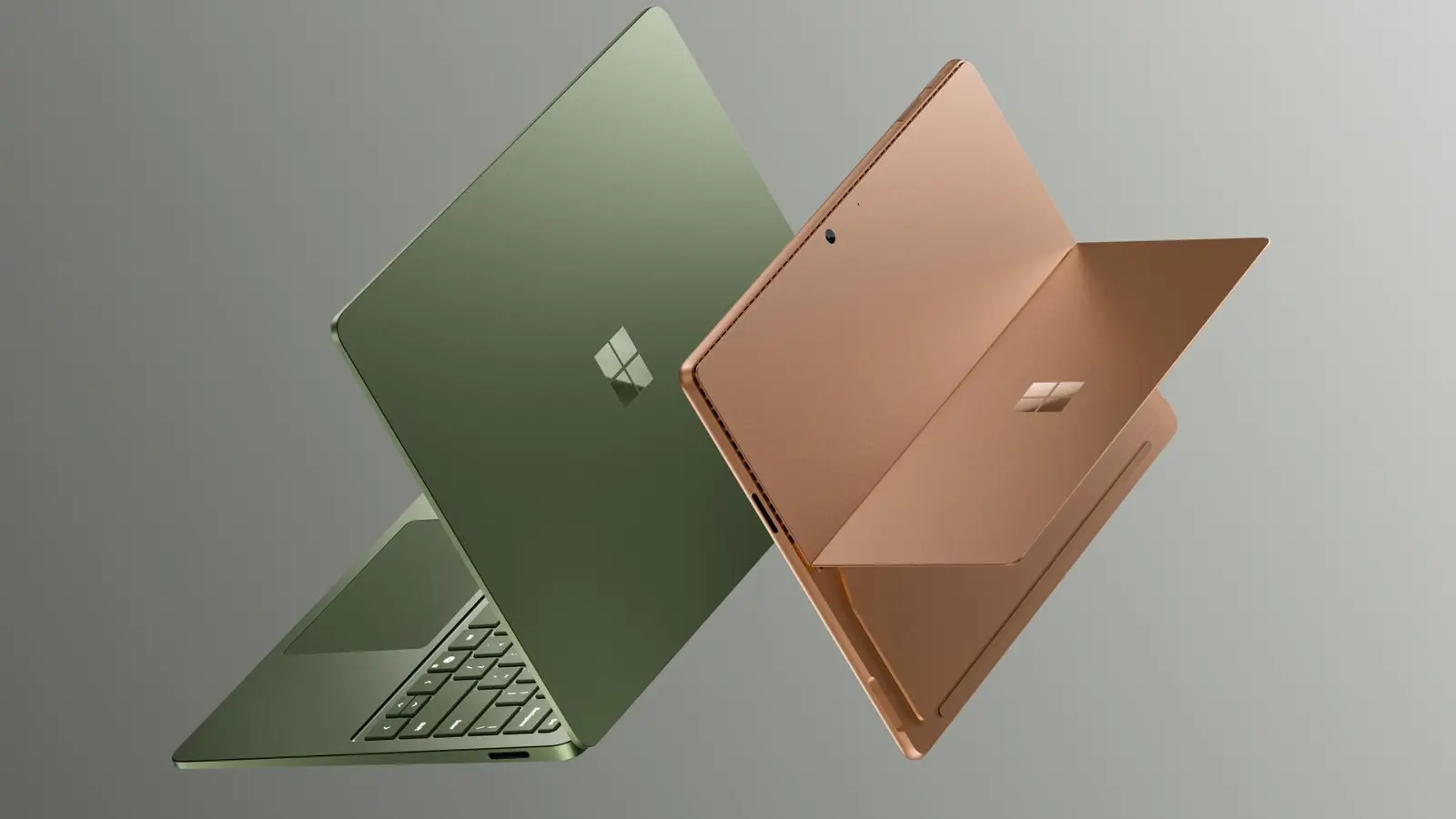
The Surface Pro 12 keeps the convertible DNA with a 13-inch display and two Snapdragon X2 options: a 10-core X2 Plus and a 12-core X2 Elite. The Surface Laptop 8 is offered in 13.8- and 15-inch models and shares the same processor choices. Both devices come standard with 16GB of RAM and higher-capacity configurations for power users.

Microsoft has increased base prices by about $100 versus last year. The Surface Pro 12 starts at $1,499 for a 256GB model — and that price excludes the keyboard and pen. The Surface Laptop 8 climbs to $1,599 for the 512GB SSD configuration. Business editions with X2 silicon will land on July 14, starting at $1,649.99, which still undercuts Intel Panther Lake business configurations listed from $1,949.99.
Battery life remains a headline claim: Microsoft says the Surface Pro will manage up to 15.5 hours of local video playback, while the Surface Laptop can stretch to roughly 20 hours. Real-world endurance will vary, of course, but the company is positioning these machines as long-haul devices rather than short-sprint workhorses.
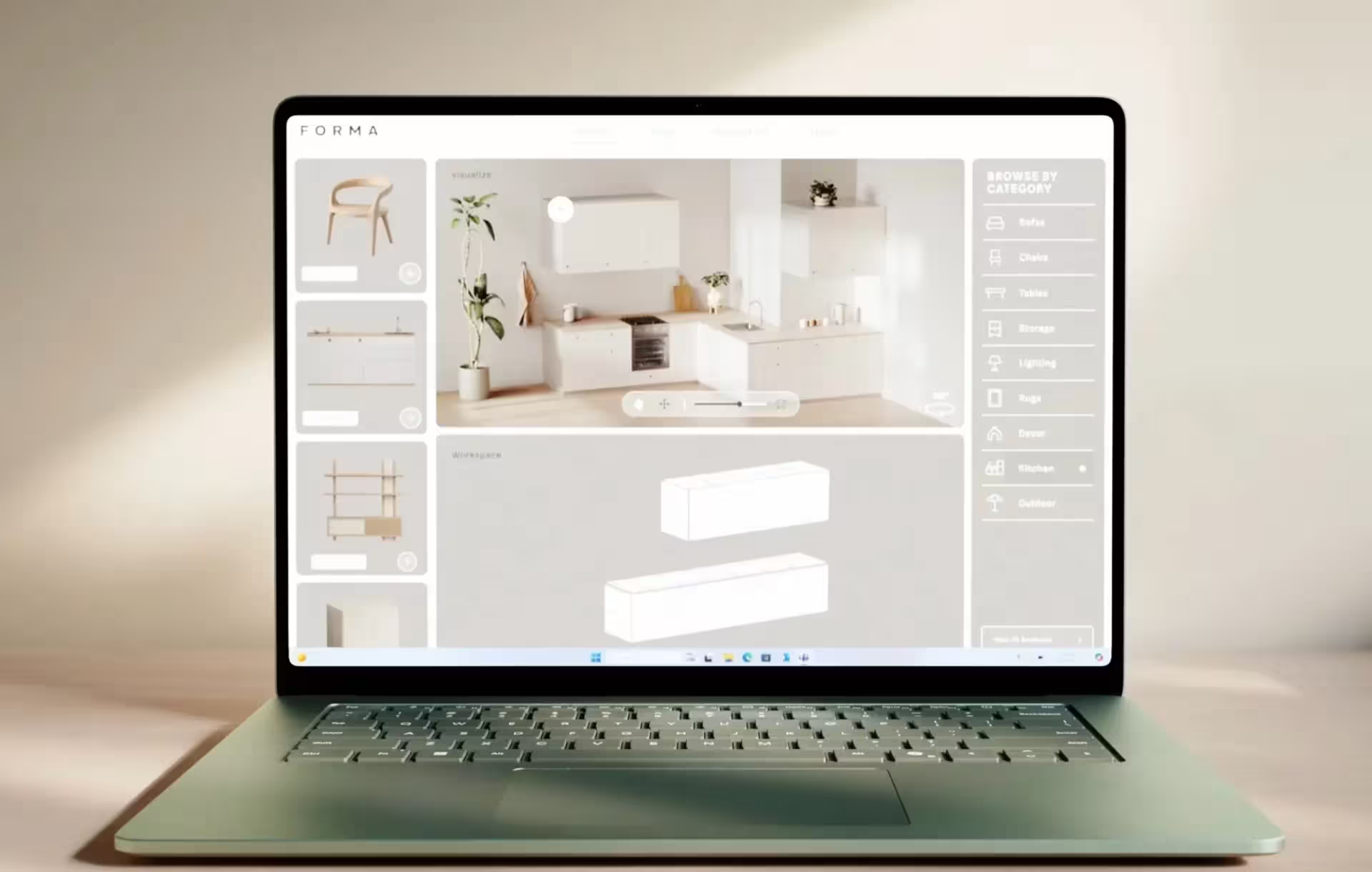
Design and interfaces are comfortably familiar. The Laptop continues with an LCD panel while the Pro can be ordered with an OLED screen. Both keep the 3:2 aspect ratio preferred by productivity users, and the port layout mirrors last year's models—Surface Connect's magnetic charging is still present (even as rumors swirl about its absence on the forthcoming Surface Laptop Ultra).
Color choices get a refresh: the 13.8-inch Laptop gains green and sand finishes, and the Pro picks up a sand option as well. One omission to note is the privacy display—unlike some commercial models, these consumer variants do not offer the privacy screen feature.

Enthusiasts hoping for Qualcomm's top-tier X2 Elite Extreme won't find it here. Microsoft stopped short of that flagship silicon, which previously showcased impressive results in machines like ASUS's Zenbook A16. Instead, buyers will choose between X2 Plus, X2 Elite, or opt for a different route with the forthcoming Surface Laptop Ultra equipped with NVIDIA's RTX Spark architecture.
Hardware quality remains one of Surface's strengths: polished fit-and-finish, solid keyboards, and a tightly integrated Windows-on-ARM experience. But incremental upgrades paired with higher prices make the story less compelling than it might have been. For buyers weighing battery life, performance, and price, the decision now hinges more on the chipset and color than on any radical redesign.

Pick your chip. Pick your hue. The rest is a familiar Surface script, rewritten just enough to ask whether the modest gains are worth the premium.


Leave a Comment
Comments
No comments yet. Be the first.