
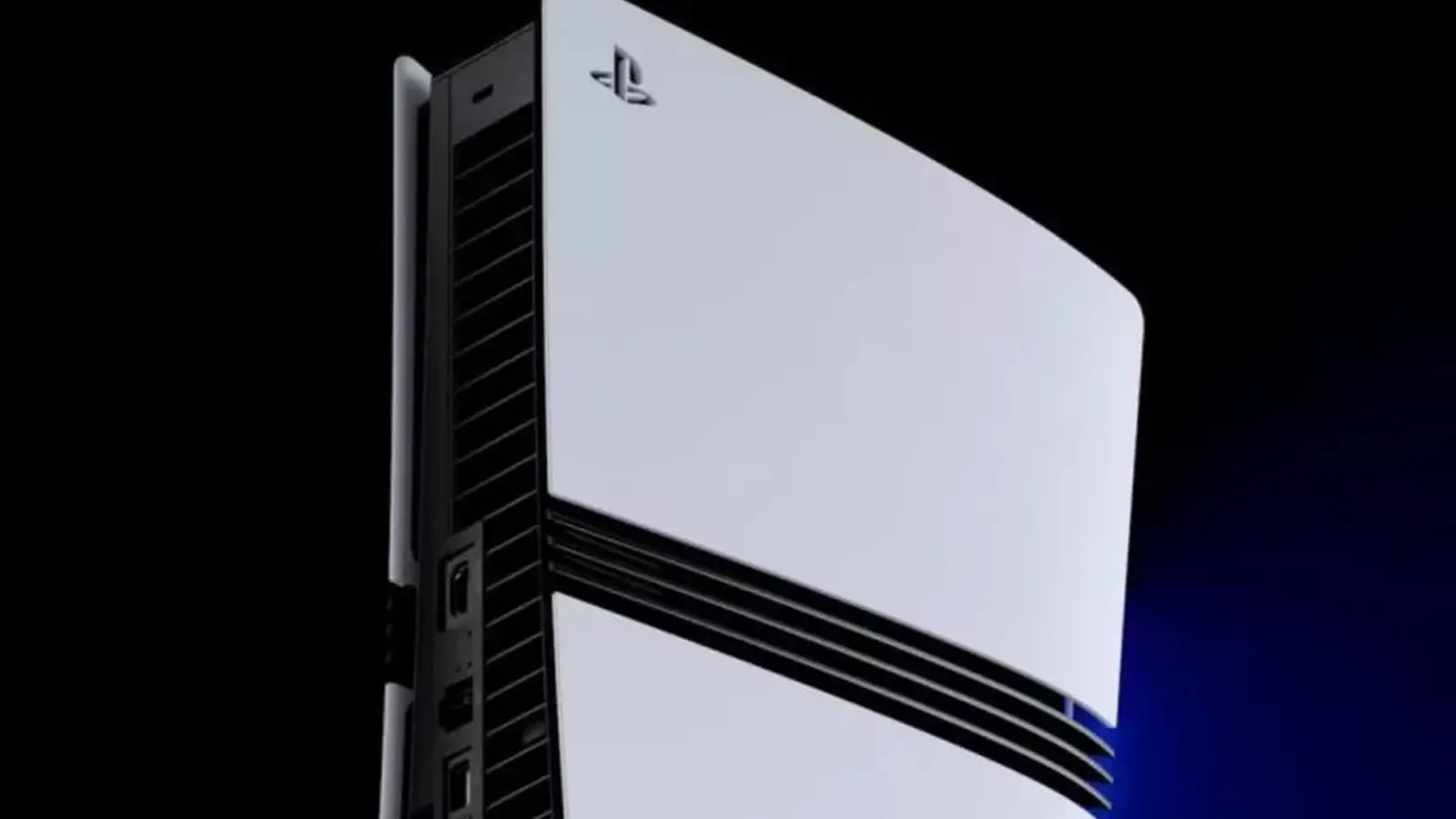
Imagine queuing for a midnight launch only to face a sticker shock you didn't see coming. Will a thousand-dollar price tag become the new normal for flagship consoles? Gamers are starting to ask that exact question.
One early forecast had pegged a hypothetical PlayStation 6 at about $699. That number sounded reasonable when compared to past generations. But a different source—one that previously and accurately leaked the successor's hardware specs, including a hefty 30GB of GDDR7 and a 1TB SSD—has revised its parts-cost projection upward. What was a $760 parts estimate in March is now nudging toward $1,000 as memory and high-speed RAM costs climb.
Why the jump? Two words: memory scarcity. GDDR7 and high-capacity SSDs don't come cheap, and demand is rising from data centers, AI rigs, and high-end gaming PCs all at once. It's a bit like a tide lifting every ship in the harbor—component costs rise across the board. Add to that a recent warning from Micron's CEO that global memory shortages could persist beyond 2027, and the price pressure starts to look structural rather than temporary.

Expect a near-$1,000 launch price for PlayStation 6.
Some analysts point to the market of premium gaming hardware already selling north of $1,049 as a sign of where consumer tolerance may land. That reality has fueled calls from parts of the community to delay a late-2027 release, hoping time will bring cheaper components. But delaying a launch isn't a guaranteed bargain. If the console's development is already deep into production—and Sony has reportedly committed to AMD's Orion SoC—there's little room left to pivot the core design to shave costs. And ironically, delays can aggravate scarcity, pushing retailers and scalpers to keep prices elevated.
So what does this mean for players? Early adopters may face a tougher choice: pay a premium for day-one hardware, wait for prices to settle and risk missing the launch window, or chase alternatives like handhelds, cloud gaming, or last-gen discounts. None of those options is ideal, but they reflect a market where component economics are increasingly decisive.
The takeaway is blunt: the next console generation could come with a more serious price tag than most of us expected. Whether gamers accept that new reality will shape how companies like Sony design, market, and time their big releases.


Leave a Comment
Comments
No comments yet. Be the first.