
15 Minutes
Headline clarification: income, not a wallet balance
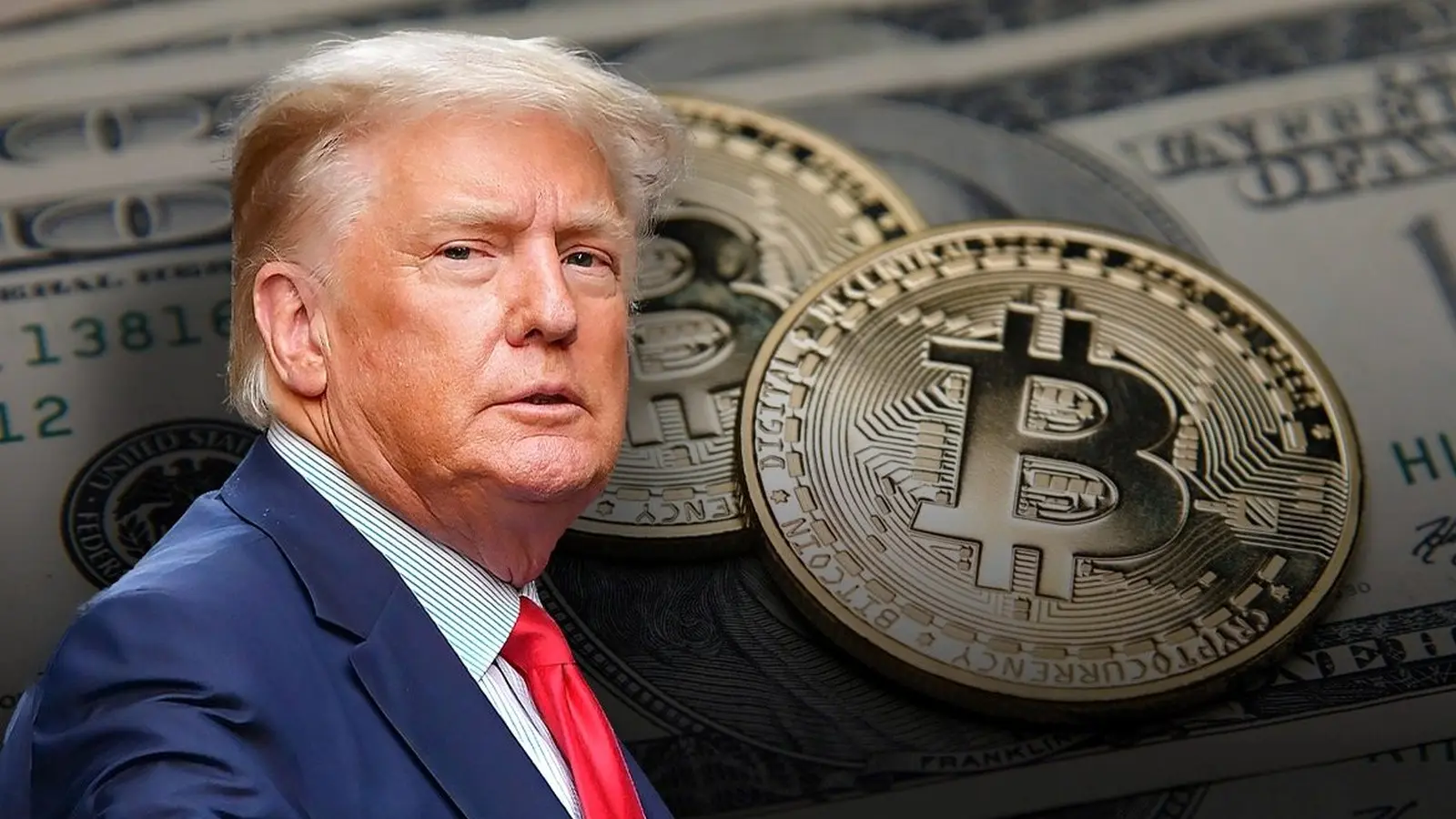
The financial disclosure released June 30, 2026, by the White House filings office created a simple but persistent confusion in headlines and social feeds: the report lists more than a billion dollars associated with crypto, and many readers assumed that meant a billion-dollar crypto wallet. That interpretation is inaccurate. The document details crypto income the president and his ventures received during 2025, not a snapshot of on-chain balances at the filing date.
This article separates the two questions the disclosure answers. First: how much crypto-related money flowed through Trump-linked ventures in 2025. Second: what crypto assets remained in his or affiliated cold wallets at the reporting date. Those are different metrics with different policy, market, and ethical implications. We dissect both, explain the vehicles and token mechanics, and walk through why the difference matters for investors, lawmakers, and the crypto industry.
Executive summary
- The 2025 financial disclosure lists more than $1 billion of crypto-related income, with some media tallies near $1.4 billion when line items are aggregated.
- The largest single income line is roughly $635 million in royalties tied to the $TRUMP meme coin, routed through CIC Digital LLC as a licensing arrangement termed Celebration Coins.
- World Liberty Financial, the Trump-linked venture behind the WLFI governance token and the USD1 stablecoin, accounts for the large remainder, with token-sale proceeds and an equity sale totaling roughly $515 million to $592 million depending on grouping.
- Income is not holdings. The filing separately lists a cold-wallet Bitcoin position valued at over $50 million and a smaller Ethereum stake plus staking rewards, far below the headline income number.
- The disclosure has prompted conflict-of-interest criticism and renewed focus on stalled crypto market-structure legislation in the Senate. The White House denies improper conflict.
What the disclosure is and how to read it
The document in question is the annual public financial disclosure completed on the Office of Government Ethics Form 278e. It covers the 2025 reporting year and was released after a 45-day extension. The filing runs to roughly 850 to 900 pages, an order of magnitude larger than typical filings for modern presidents. That scale explains why the largest, most repeatable figures dominated early headlines.
Two important technical details determine how to interpret the numbers.
 chatgpt-image-mar-2-2026-105415-am-compressed-1080x675.avif" width="1080" height="675">
Bracketed values, not precise amounts
The form reports values in dollar ranges rather than exact sums. When the filing lists a holding as worth over $50 million, that corresponds to the top bracket on the form and could mean materially more than $50 million. These brackets are standard for government disclosures and are intended to balance transparency with privacy and complexity.
Income and assets are mixed across the form
The filing intermingles income lines and end-of-period asset listings. Income lines show money that flowed into entities or accounts during the reporting year. Asset entries show what remained owned at the reporting date. Conflating the two is the most common mistake in early coverage. Income reveals the scale of business activity and realized proceeds. Holdings reveal ongoing exposure and potential future conflicts.
The income: how the billion-dollar figure is built
Almost all of the large numbers in the disclosure are income items, not end-of-period balances. Two sources dominate.
$TRUMP meme coin royalties
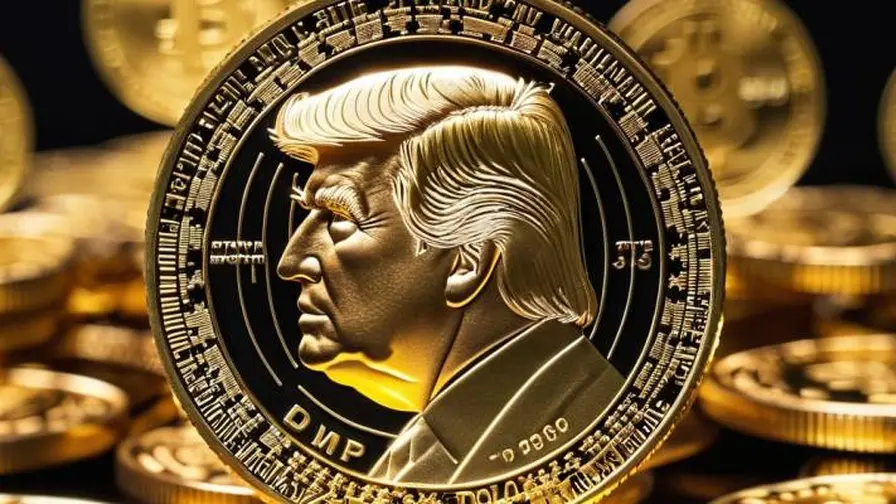
The single largest line is roughly $635 million in royalties tied to the $TRUMP meme coin. Those royalties were paid through CIC Digital LLC under a licensing arrangement described as Celebration Coins. Crucially, this is a licensing revenue line: the payment is for brand use and licensing the Trump name for a token product, not proceeds from the president buying and holding tokens. Royalty income can be paid in cash or fiat-converted crypto and then distributed to beneficiaries, which explains why a very large royalty can exist without a corresponding giant token balance on any disclosed wallet.
The meme coin launched on the Solana network in early 2025 and quickly produced high trading volumes and ancillary revenue through licensing and brand partnerships. That commercial success translated into a sizable royalty payment to the licensor under the recorded licensing terms.
World Liberty Financial token sales and equity transactions
The other major income source is World Liberty Financial, the Trump-linked venture that issued the WLFI governance token and the USD1 stablecoin. Across multiple line items the disclosure attributes roughly $515 million to $592 million in proceeds to WLF-related activity. That range depends on how readers aggregate token-sale distributions, wallet-by-wallet disbursements, and a reported equity sale of about $65 million linked to an affiliated entity holding a 38.25% stake in the venture.
The filing provides granular wallet-level breakdowns for the token-sale proceeds. Notable line items include roughly $150.6 million in Ethereum proceeds, about $33.5 million in Bitcoin proceeds, approximately $56 million in USDC, and smaller distributions in tokens such as Chainlink, Aave, ENA, Move, and Ondo. These are realized proceeds from selling tokens or distributing allocations to stakeholders, and they are reported as income for the reporting year.
Aggregating the income
Combine the $TRUMP royalty figure with the World Liberty Financial totals and the crypto-related income exceeds $1 billion. Some journalistic tallies that sum additional related line items approach $1.4 billion. The important qualifier is that these are realized revenue and distribution figures for a fiscal year, not a snapshot of crypto assets still held in wallets at the filing date.
The holdings: what the filing shows as owned now
The disclosure separately lists on-chain and cold-storage positions. Those end-of-period holdings are substantially smaller than the income figures.

Cold-wallet Bitcoin position
The filing lists a cold-wallet holding in Bitcoin valued in the top bracket, meaning over $50 million. That is a sizable disclosed crypto asset for any public official, but it is an order of magnitude smaller than the headline income numbers. Because the form uses brackets, the precise Bitcoin value is unknown, but it sits in the highest reported band for individuals on Form 278e.
Ethereum stake and staking rewards
The disclosure also reports a smaller Ethereum exposure, with the form indicating multimillion-dollar values. Crucially, the filing notes ether staked under a Coinbase validator arrangement that generated about $1.8 million in staking or validator rewards for the year. Those rewards are income; the staked ETH is an asset. Both are reported separately.
Exposure through WLFI and USD1
The filing discloses ongoing exposure through the WLFI governance token and the USD1 stablecoin associated with World Liberty Financial. Because those instruments are operational, they represent continuing commercial exposure that may not wholly appear as personal cold-wallet balances. Token holdings, equity stakes in token issuers, and revenue shares can create indirect exposure that is structurally significant even if the direct on-chain balance is limited.
Why distinguishing income from holdings matters
The gap between income and holdings is not a mere technicality. It affects how the disclosure informs questions about influence, policy, and market risk.
Why income can be large while holdings are small
Licensing deals produce upfront royalty income that can be paid in cash or converted from crypto into cash before distribution. Token sales produce proceeds by definition, which means a token issuer can sell large allocations to investors and partners and report the sale proceeds as income while simultaneously reducing token inventories. Staking rewards are recorded as income while the staked tokens remain assets. These mechanics explain how enterprises can report hundreds of millions in crypto income while the end-of-period balance sheet retains a comparatively modest direct crypto position.
What each metric signals to readers
- Income tells you about the business activity and cash flows generated by a venture during a reporting period. High income signals a large commercial footprint and realized profits or proceeds.
- Holdings tell you about ongoing exposure and potential future conflicts. A large on-chain position implies price sensitivity and ongoing financial interest in token performance.
.avif "Trump’s Memecoin Mania: How $TRUMP Token Shook Up Crypto—and Its Supporters' Wallets")
Reporting only the income number without the holdings context inflates impressions of perpetual exposure. Conversely, reporting only holdings omits the scale of business activity. Both are relevant, and both are needed to understand the full picture.
World Liberty Financial: the token engine
World Liberty Financial is central to interpreting the filing. The venture, co-founded by family members and affiliated entities, issues the WLFI governance token and the USD1 stablecoin. That infrastructure is what generated most of the non-meme-coin crypto income recorded in the disclosure.
Different instruments, different economics
A governance token like WLFI typically grants protocol governance rights, voting power, or fee-sharing potential. Its economics depend on tokenomics, protocol design, and adoption. The USD1 stablecoin is designed to hold a dollar peg and operate as a payments or settlement medium. Each token class has distinct revenue mechanisms: governance tokens can create fees, voting-based rewards, or equity-like returns; stablecoins can produce seigniorage and fees from on- and off-ramps.
That variety matters because WLFI and USD1 are recurring revenue sources. Token sales can be one-off, but active token ecosystems generate ongoing transaction fees, minting revenues, and secondary market activity that sustain future income. The disclosure quantifies one year of proceeds, but the tokens themselves are the vehicles through which future value and controversies will unfold.
Why WLF is both commercial and political
WLF is not a passive asset in a portfolio. It is an operational crypto firm active in token issuance, stablecoin management, and market interactions. That operational status raises the stakes of the ethical debate: a live business in a regulated sector that is linked to a sitting president intersects directly with policymaking. Whether that represents a disqualifying conflict or manageable transparency is a contested judgment, but the scale of the WLF activity makes it central to any informed discussion.
The $TRUMP meme coin: commercial success, political risk
The $TRUMP meme coin is where the single largest royalty line originates. Launched on Solana in early 2025 and branded around the president, it generated substantial trading volume and business partnerships that produced the reported $635 million royalty.
Royalties versus holdings
The royalty payment is a licensing income. It flows to the licensor for brand use and is not the same as a token balance. That explains how the meme coin could produce a very large income figure without implying the president or his affiliates hold a commensurate on-chain stake in $TRUMP tokens.
Why meme coins carry unique risks
Meme coins are typically speculative, volatile, and heavily sentiment-driven. Even when they produce licensing revenue for a brand, they remain structurally risky as tradable assets. A politically branded meme coin adds another layer of volatility: headlines, legal scrutiny, and regulatory attention can amplify price swings. The disclosure confirms the commercial scale of the meme coin as a revenue generator, but it does not make it a safe asset for traders or a firewall against political risk.
The conflict-of-interest question
It is impossible to assess the disclosure without engaging the ethical debate. Critics argue that a sitting president earning more than a billion dollars from crypto while the administration oversees crypto policy creates a structural conflict. Some lawmakers have proposed attaching ethics conditions to market-structure legislation to limit presidential and family involvement in crypto ventures.
Positions and denials
Critics point to the overlap between the president's crypto income and his administration's crypto posture as evidence of compromised incentives. They argue that disclosure alone does not sufficiently separate public policy decisions from private financial interest.
The White House responds that neither the president nor his family engage in conflicts of interest. The administration and the Trump Organization emphasize that assets are managed by third-party institutions and that trades are executed via automated systems, claiming the president does not direct investment decisions. They frame the policy stance as economically oriented and innovation-friendly rather than self-serving.
Why the dispute matters for markets
The ethical debate will shape how lawmakers craft market-structure rules, and those rules will in turn affect token design, exchange operations, stablecoin regulation, and institutional participation. For investors and industry stakeholders, the key takeaway is that political scrutiny is now a material factor for tokens tied to the president, WLFI, USD1, and the meme coin. Regulatory risk and headline-driven volatility are likely to be priced into these assets for the foreseeable future.
What the disclosure means for Trump-linked tokens and the wider crypto market

For market participants, the filing does two things: it documents that these tokens are commercially meaningful, and it highlights that they are politically exposed.
Market implications
- The WLFI governance token and USD1 stablecoin are now confirmed as active commercial instruments that generated substantial proceeds in 2025. That makes them operational tokens to monitor for adoption metrics, fee revenues, and protocol governance moves.
- The $TRUMP meme coin has proven it can generate licensing revenue and headline-driven trading volume, but it remains speculative and subject to political volatility.
- Tokens tied to high-profile political figures will face both heightened interest and increased regulatory scrutiny, which can depress liquidity or amplify price swings depending on headlines.
Investment perspective, not advice
This analysis is informational, not investment advice. The disclosure proves these ventures generated substantial income, but income is not a proxy for token quality. A meme coin that yields royalties to a licensor can still be an extraordinarily risky trading instrument. A stablecoin can grow as a payments product but carries regulatory, reserve-management, and peg-stability risks. A governance token can confer influence without guaranteeing cash flows to holders. Each asset requires independent assessment of fundamentals, liquidity, and regulatory positioning.
How the crypto story fits into a broader portfolio
Crypto income is a dramatic element of a much larger balance sheet. The filing lists hundreds of stock positions and traditional investments alongside the crypto lines. Notable equity purchases include Apple, Microsoft, and Nvidia, each recorded between $5 million and $25 million in bracket notation. The filing also references trade activity in crypto-adjacent equities like Robinhood and Coinbase and investments in private operators such as GEO Group.
That context matters because it shows crypto as one slice of a diversified allocation. The meme-coin royalty was the largest single line item, but the overall portfolio includes significant non-crypto exposure. For readers assessing the scale of crypto involvement, the disclosed Bitcoin holding of over $50 million sits within a much larger set of assets, which tempers the picture of crypto dominance if viewed as part of aggregate net worth.
Year-over-year change: why this disclosure is a marker
The disclosure documents a trajectory as important as any single number. Estimated net worth metrics have shifted dramatically year over year, with publications such as Forbes citing an increase from roughly $2.3 billion to an estimated $6 billion. Crypto played a large role in that jump.
The speed of the change is notable: in a single reporting year, digital-asset ventures moved from peripheral lines to among the largest income items on the filing. That acceleration intensifies political scrutiny and raises questions about how fast private wealth tied to a regulated industry can expand while the public officeholder is in power.
Why future filings matter
Because the WLFI token and USD1 stablecoin are operational, and because the meme coin and associated licensing deals are ongoing commercial arrangements, the next rounds of financial disclosure will be essential to watch. They will show whether the income lines repeat, whether holdings increase or decline, and how the administration and markets adapt to escalating scrutiny.
Why this disclosure matters beyond dollars
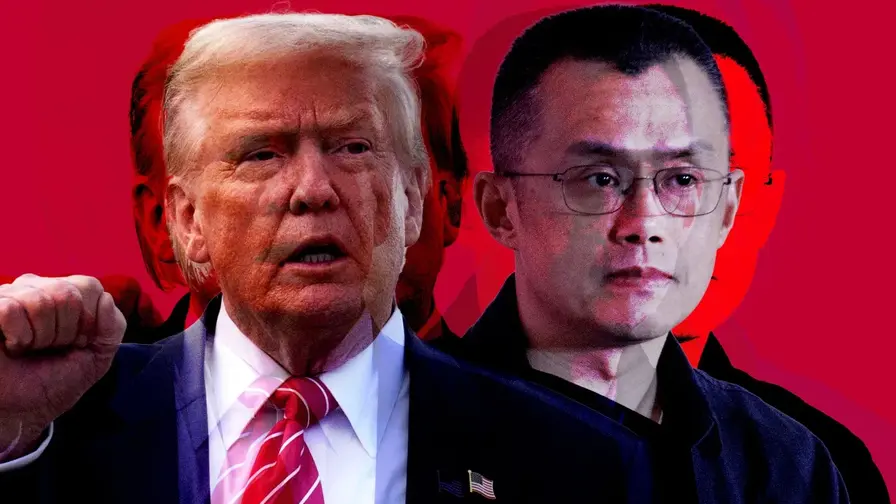
Beyond the specific figures, the filing is consequential because it illustrates an unusual overlap: a sitting president whose private fortunes are significantly tied to an industry the administration regulates. That intersection matters for legal scholars, historians, and policymakers because it raises questions about whether transparency alone is an adequate safeguard.
Two competing readings will persist:
- One view treats the entanglement as a structural conflict. When the person shaping crypto policy benefits from crypto income, the incentives become compromised regardless of management arrangements.
- The other view sees transparency and third-party management as effective mitigants. Proponents argue that disclosure allows public and institutional scrutiny and that policy positions can be defended on economic grounds rather than personal benefit.
Both readings rely on the same disclosure. The difference is how observers weight governance safeguards versus structural separation.
Practical takeaways for crypto stakeholders
- For token holders and traders: be aware that WLFI, USD1, and $TRUMP are politically exposed assets. That exposure increases headline-driven volatility and may affect regulatory responses.
- For institutional investors: the disclosure highlights that politically linked tokens can generate substantial commercial activity but will also attract legislative and reputational risk. Due diligence should include policy scenario analysis.
- For policymakers and advocates: the filing underlines why market-structure legislation and ethics rules intersect. Clearer boundaries or disclosure frameworks may be necessary to maintain public trust in regulatory processes.
Conclusion: read the filing carefully
The financial disclosure issued for the 2025 reporting year confirms that Trump-linked crypto ventures generated extraordinary income in a single year. But the headline figure of more than a billion dollars answers a different question from what many readers initially inferred. It documents realized income, not a one-time stockpile of tokens sitting in a wallet.
The accurate story is twofold. First, the crypto businesses were highly lucrative in 2025, with licensing and token-sale proceeds driving the large income numbers. Second, the end-of-period on-chain holdings disclosed are materially smaller, led by a cold-wallet Bitcoin holding in the top bracket and a smaller Ethereum exposure, plus staking rewards. Both facts are true and both matter: the income shows the commercial scale of the ventures, while the holdings indicate ongoing exposure and potential conflicts.
That distinction should guide how the market, the media, and policymakers treat the disclosure. The filing is not a curiosity; it is a data point that brings crypto money, political power, and regulatory questions into the same frame. Investors should assess the tokens on fundamentals and risk, lawmakers should weigh transparency and structural separation, and the industry should expect political scrutiny as part of the operating environment going forward.
Further reading and monitoring
Readers tracking this story should watch for the next financial disclosure, regulatory moves on market-structure legislation, adoption and activity metrics for WLFI and USD1, on-chain flows for $TRUMP and related tokens, and any congressional ethics proposals that seek to limit presidential involvement in crypto enterprises. Those developments will determine whether the 2025 numbers were a single-year anomaly or the start of a sustained new pattern linking high-level political power and the crypto economy.













Leave a Comment
Comments (6)
Ive seen filings like this in private deals, brackets hide variability. People assume big numbers = big wallets, but its often cashouts, licensing, one time events. messy and legit at once
Makes sense tbh. Royalties arent a token stash, but WLFI and $TRUMP will stay politically charged — volatility ahead, imo
Good breakdown. Income vs holdings is the key distinction here, especially for conflict rules and market risk. Watch next filings and on chain flows, they’ll show if this repeats
Feels overhyped. Headlines grabbed the billion and skipped the holdings section, context matters, but still smells like PR and accounting sleight of hand
wow didnt expect meme coin royalties to be that huge.. politics + crypto is a combustible mix. reading this made my brain jump, wild stuff
Wait, so the billion is income not a wallet? ok but can we trust those bracket ranges, feels like a neat way to obscure the real figure... royalties vs stash, hmm?