

Imagine a viral outbreak, mutated monsters and, at the center of it all, not a battle-hardened warrior but a completely ordinary man. That’s the gambit director Zack Krager is playing with in the new Resident Evil film—an approach that, oddly enough, he compares to the opening of Lord of the Rings.
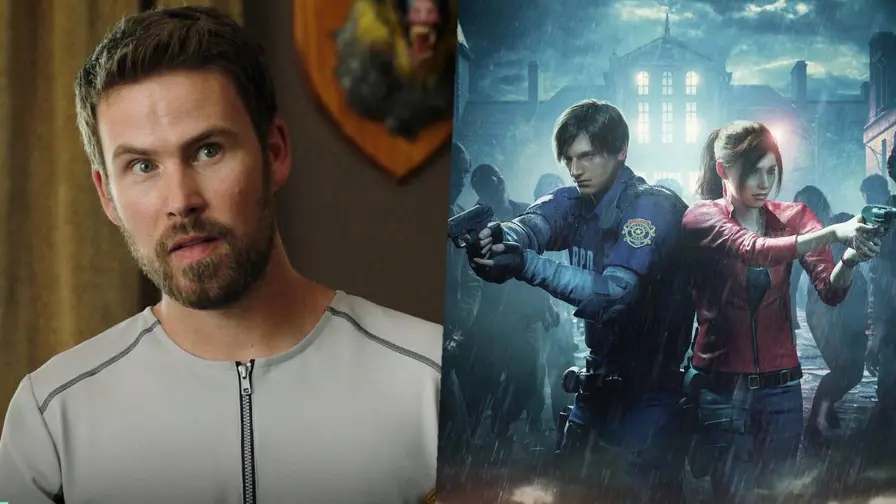
In a recent interview with Empire, Krager explained that his movie deliberately sidesteps the franchise’s usual action-hero archetype. The protagonist, Brian—played by Austin Abrams—isn’t a trained operative. He can’t even handle a gun with confidence. He fumbles. He sweats. He’s human. And because of that, his journey feels like travelogue: small steps into a much darker world.
Why invoke Frodo? Because the emotional logic is similar. Frodo didn’t start as a fighter. He was a reluctant traveler who carried a burden he didn’t fully understand. Krager says watching Brian navigate the chaos of Umbrella’s infected landscape has the same dissonant chemistry—you root for him because you recognize his fear, his mistakes, his stubbornness to keep going.
Resident Evil, of course, began as a Capcom survival-horror series where players face a deadly virus and bioengineered monsters while unraveling corporate conspiracies. Past live-action adaptations leaned hard into spectacle and skill. This new film rewires that template. Storylines are original. Characters are new. The stakes remain global, but the point of view is compact: one man’s small, terrified steps into a collapsing world.

This reimagining places an ordinary man at the center of extraordinary collapse—no seasoned soldier, just a regular person thrust into mythic circumstances.
Krager goes so far as to call Brian “a bit of a fool” in the best sense: not incompetent by nature, but profoundly inexperienced for what he’s been asked to carry. That vulnerability becomes the engine of empathy. It’s a risky choice in a genre that often worships competence, and it’s precisely what gives the film its emotional weight.
Austin Abrams’ casting reinforces the decision. He brings a quiet, watchful presence that reads as real rather than cinematic shorthand for heroism. When monsters appear, you don’t see a choreographed badass sequence designed to impress; you see a man improvising, failing, adapting—and sometimes surviving.
If Krager’s comparison to Tolkien raises eyebrows, it shouldn’t. Both tales thrive on contrast: ordinary lives confronted by overwhelming, almost mythic forces. Resident Evil swaps ring-bearers for virus-bearing nightmares, but the human core is the same. Expect dread, yes. Expect jolts. But also expect a different kind of courage—one that grows out of uncertainty.
The film arrives in theaters on September 18, 2026. Keep an eye on Brian’s first steps; they may reshape how we think about survival horror on the big screen.

Leave a Comment
Comments
No comments yet. Be the first.