
3 Minutes
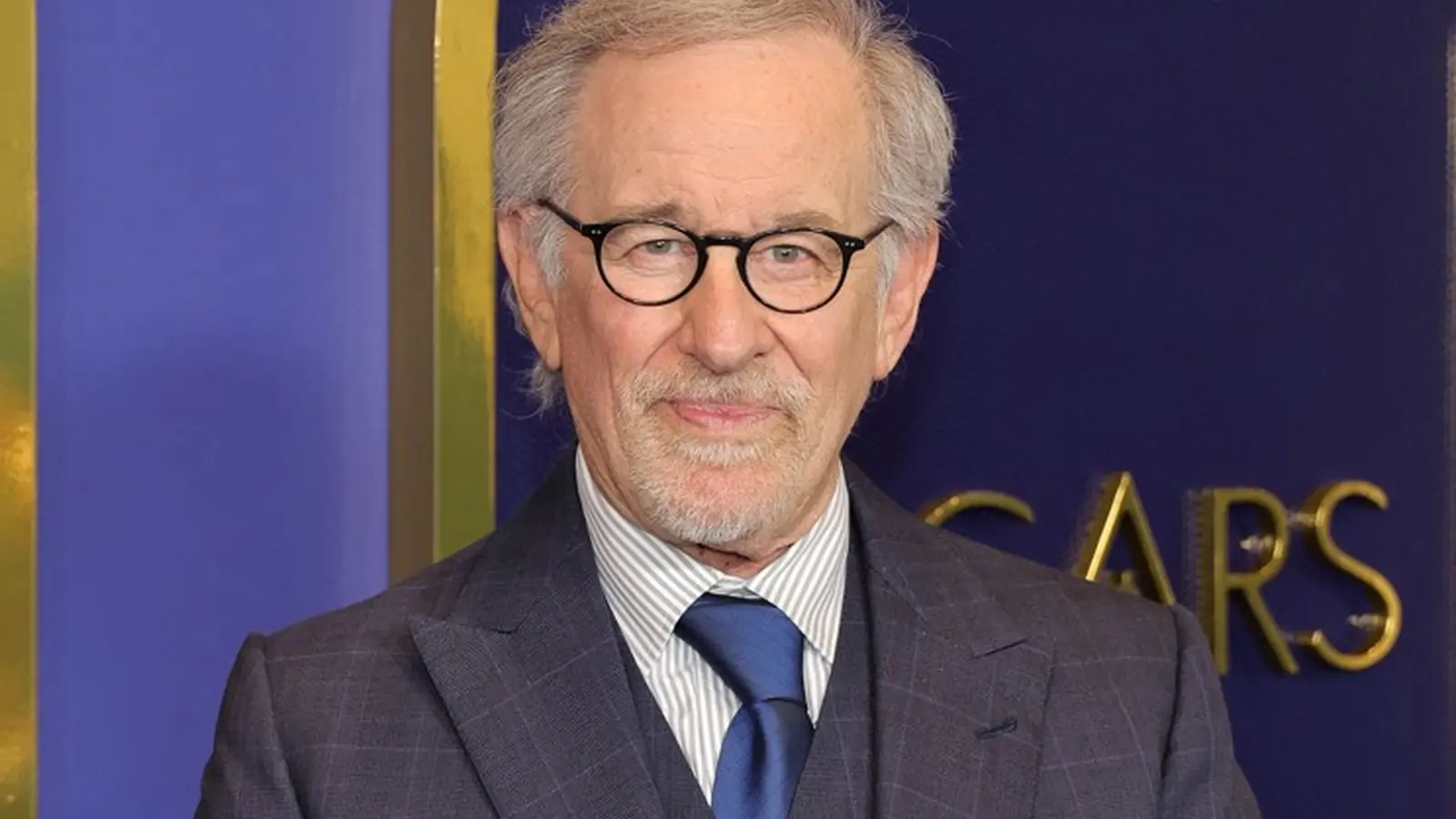
Steven Spielberg is staking a claim in the strangest corner of internet horror. Deadline reports he will produce a cinematic adaptation of The Mandela Catalogue, the analog-horror web series that turned found-footage aesthetics into a cultural phenomenon.
Amblin Entertainment will shepherd the project, with Scott Stuber joining from United Artists and Amazon MGM on board as a studio partner. The series' creator, Alex Kister, will direct, and Tyler Clifton is handling the screenplay. It was a bruising rights race—eleven studios reportedly bid to acquire the property—so the final landing feels significant.
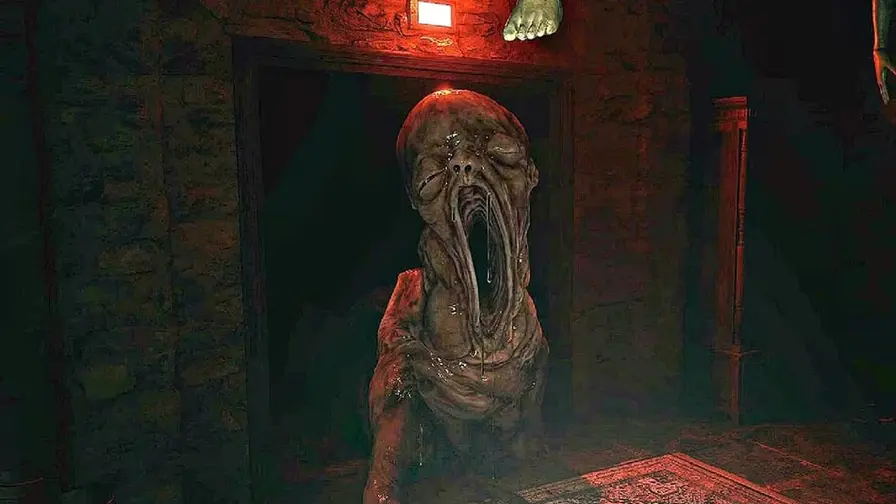
The Mandela Catalogue is not simple jump-scare fare. It unfolds as a collection of fictional videotapes that document the invasion of shape-shifting entities called Alternates. These creatures slip into the lives of local residents by mimicking people they once knew. Each new season peels back another layer of the town's history, dropping fresh characters and unsettling revelations into the timeline.
Think of it as a puzzle you assemble with your eyes. The series lives in the analog-horror tradition: grainy footage, public-service-style warning tapes, distorted broadcasts. The format forces you to connect fragments—dates, names, small objects—until a larger, terrifying picture emerges.

Does this translate to a two-hour film? There are clear precedents and pitfalls. The theatrical move could either condense the web series’ nonlinear mysteries into a tight, cinematic narrative or expand the mythology with new arcs that respect the original's cryptic style. For now, the filmmakers have stayed deliberately vague about whether they'll adapt specific episodes or tell an original story that sits within the same universe.
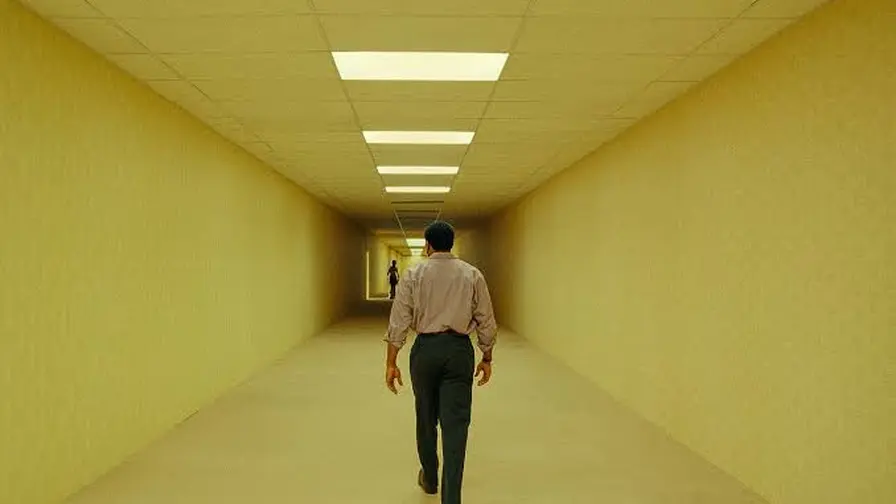
Spielberg’s interest also highlights a broader shift: mainstream Hollywood is increasingly mining internet-born horror for fresh ideas. The Mandela Catalogue shares some DNA with other viral properties like Backrooms—both trade in an atmosphere of off-kilter dread—but the Mandela Catalogue favors a mosaic approach to storytelling. It’s less about a single corridor or entity and more about the slow unspooling of a community’s nightmares across time.
Adding intrigue, Spielberg’s attachment arrives roughly a month after his recent sci-fi thriller Disclosure Day hit theaters. That film—his first major alien-themed picture since War of the Worlds (2005)—earned strong reviews and pulled in about $199 million worldwide on a $115 million budget. Clearly, Spielberg is moving between genres with intention, and analog horror is next on his map.
Amblin’s involvement suggests the adaptation will aim high production-wise while trying to keep the web series' eerie intimacy intact. Young fans who discovered the original on YouTube will be watching closely. Will the film preserve the patchwork tension that made the series a cult touchstone, or will it smooth the edges for a wider audience?
Whatever direction they choose, translating the Mandela Catalogue for cinemas is a gamble—one that might redefine how internet-era horror survives the jump to big-budget filmmaking. Stay tuned; the first glimpse of this strange new collaboration could reshape horror’s next act.






Leave a Comment
Comments
No comments yet. Be the first.