
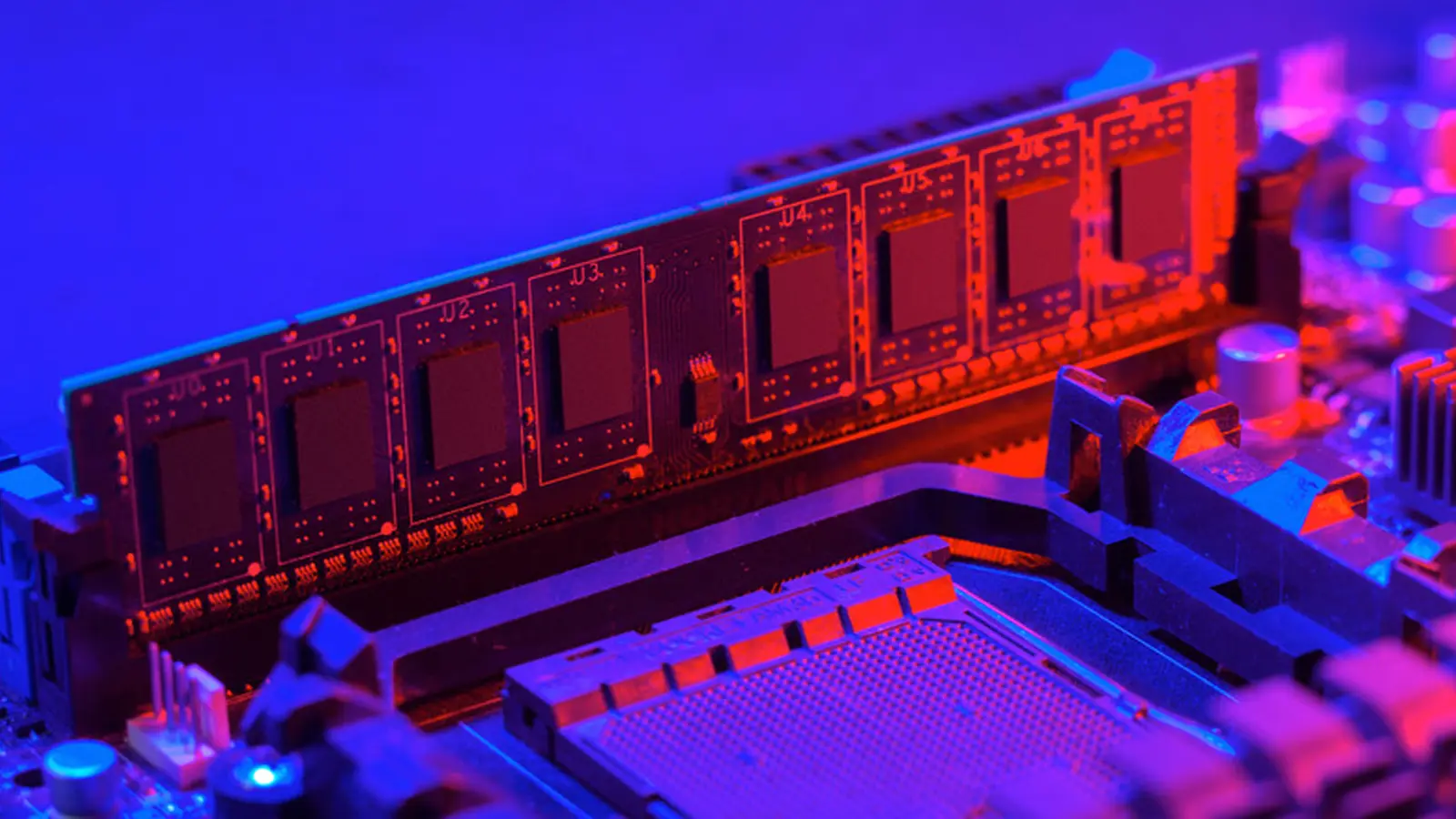
Picture a server room stocked with brand-new DDR5 sticks while a closet full of perfectly functional DDR4 modules gathers dust. Wasteful? Yes. Preventable? Clearly. Meta decided to challenge that status quo.
Instead of consigning legacy RAM to the landfill, the company built a custom silicon bridge called Vistara. The idea is deceptively simple: let DDR4 live on inside infrastructure designed around DDR5. But the execution is anything but trivial. Electrical signaling, timing quirks and protocol differences separate DDR generations like two dialects of the same language. Vistara translates between them, creating compatibility without forcing a full hardware refresh.
How does Meta use this in practice? Think tiered memory. Slower DDR4 modules take on cold data—information accessed infrequently—while high-speed DDR5 handles the latency-sensitive operations that power machine learning and real-time workloads. It’s a pragmatic division of labor: keep the hot paths fast, let older RAM shoulder less demanding tasks.

There are clear benefits. Organizations save on hardware purchases and stretch existing inventory further. Environmental gains follow: fewer discarded components and less electronic waste. And in a market still recovering from chip shortages, squeezing extra life out of usable parts is a strategic advantage as much as it is an ethical one.
Vistara is not a consumer product; it’s built for data centers and AI servers only. You won’t find this trick in a gaming PC or a home workstation. The solution targets hyperscalers and large-scale clusters where the economics and logistics of memory reuse make sense.
Technical purists will raise questions about performance trade-offs and complexity at scale. Those are valid. But there’s also evidence that carefully designed bridges like Vistara can yield meaningful improvements in resource utilization without crippling throughput for critical workloads. Put another way: the trick is balancing speed with pragmatism.
Meta’s move is more than an engineering curiosity. It’s a reminder that hardware sustainability can be achieved through clever systems design as much as new manufacturing. If data centers can wring more value from what they already own, the entire industry benefits—financially and environmentally.
Expect more experimentation at the intersection of reuse and performance. After all, why toss perfectly good memory when a smart adapter might extend its life and cut costs at the same time?

Leave a Comment
Comments
No comments yet. Be the first.