
2 Minutes
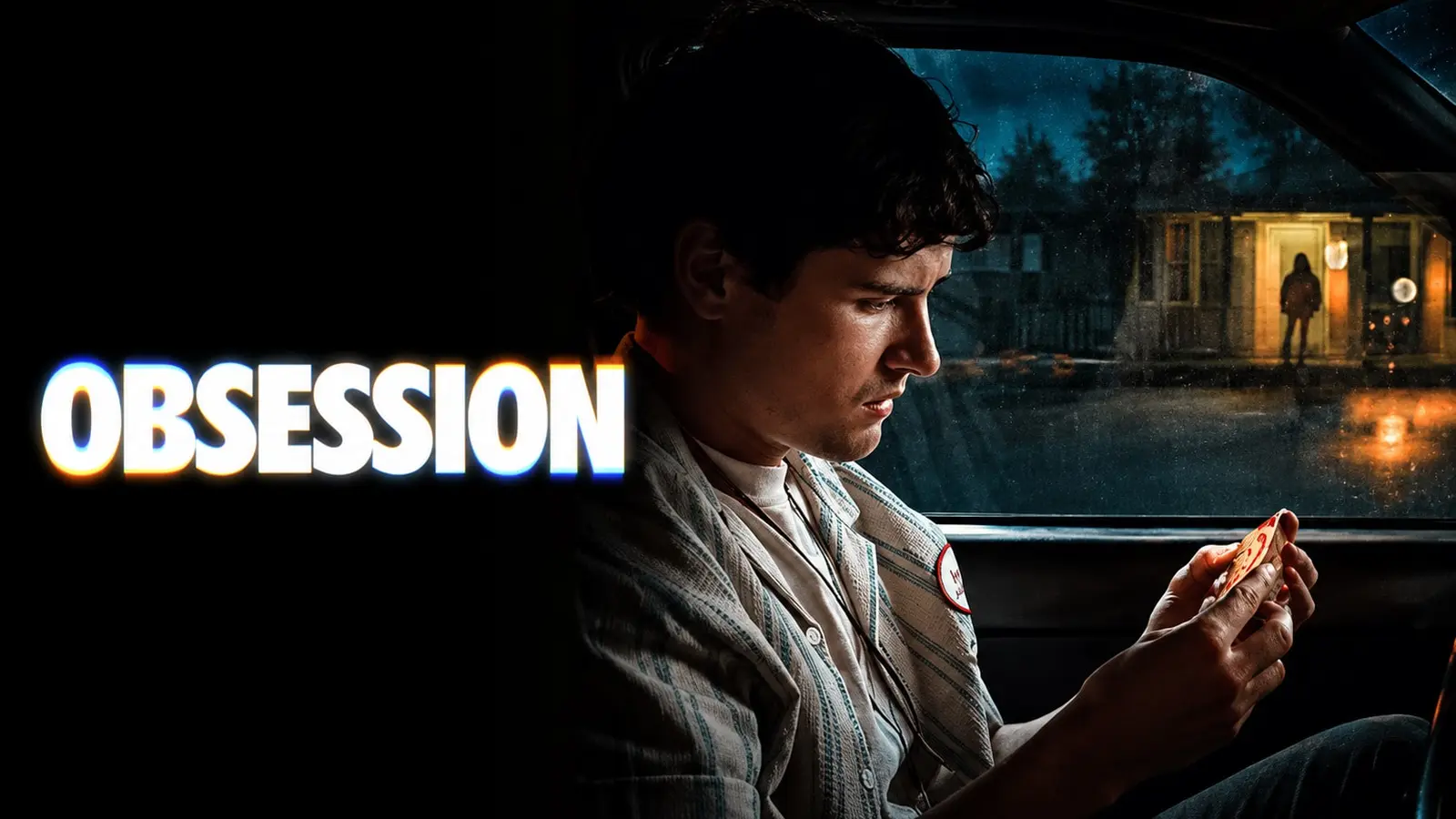
Tiny budget. Massive payoff. Two months after its theatrical debut, Obsession has crossed the $403 million mark globally — a remarkable feat for a picture that started life on a shoestring.
Focus Features now reports roughly $245 million of that haul came from North America, with about $157 million earned in international markets. For a film made for just $750,000 and acquired last year at the Toronto Film Festival for $14 million, the return on investment reads like a case study in modern indie surprise hits.
How did it happen? Part timing. Part word-of-mouth. Part a late-summer hunger among younger audiences for movies that feel risky and alive. Obsession didn’t fade after the usual eight-week slump. It held steady through the July 4 weekend, pulling in about $5.3 million domestically and $12 million overseas during the holiday frame. That momentum leaves it tantalizingly close to a $250 million North American total — a threshold few films have crossed recently.
The director’s backstory helps the narrative: Kari Barker, known first as a YouTuber, leapt behind the camera and delivered a layered, romantic fantasia that resonated with Gen Z. Viewers embraced the film’s strange, sharp tone and shared reactions in droves on social platforms. In short: the audience turned marketing into a self-fulfilling prophecy.

At the heart of the story is a desperate lover (Michael Johnston) who makes a dark bargain to win the heart of his crush, Nikki (Aïnda Navarretet). It’s a premise that reads like a myth retold for the streaming era — intimate, unsettling, and oddly relatable. The film’s emotional core gave it legs; the cultural conversation gave it wings.
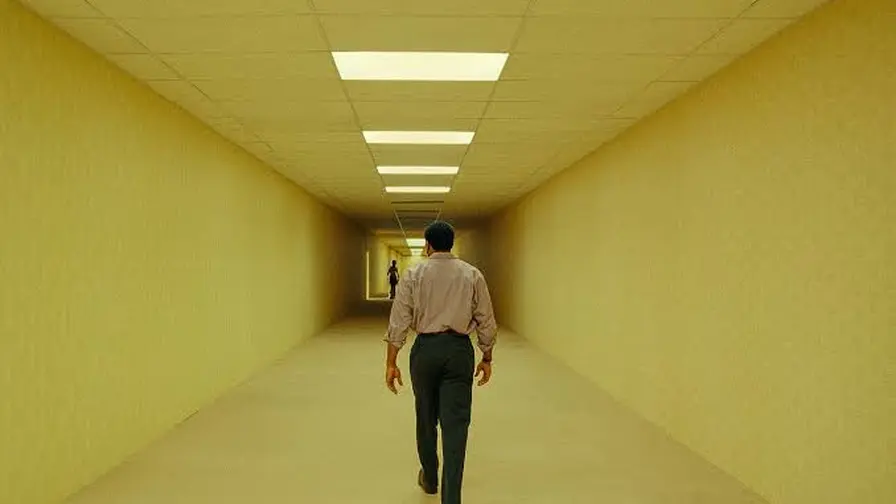
Obsession’s run also punctures a familiar industry claim: younger viewers don’t go to the movies. Alongside A24’s Backrooms — which itself climbed to about $347 million worldwide — these releases argue the opposite. If you build something that feels urgent, young audiences will show up. They’ll talk. They’ll bring friends.
Studios will watch this playbook closely. Festival buys, low-cost production, and fierce social buzz are suddenly more than a hopeful formula; they’re a proven route to blockbuster returns. Will other indie-minded films replicate Obsession’s lightning in a bottle? The answer may decide how studios invest in the next wave of bold, small-scale cinema.







Leave a Comment
Comments
No comments yet. Be the first.