
4 Minutes
Russia moves crypto bill forward after dropping wallet address disclosure
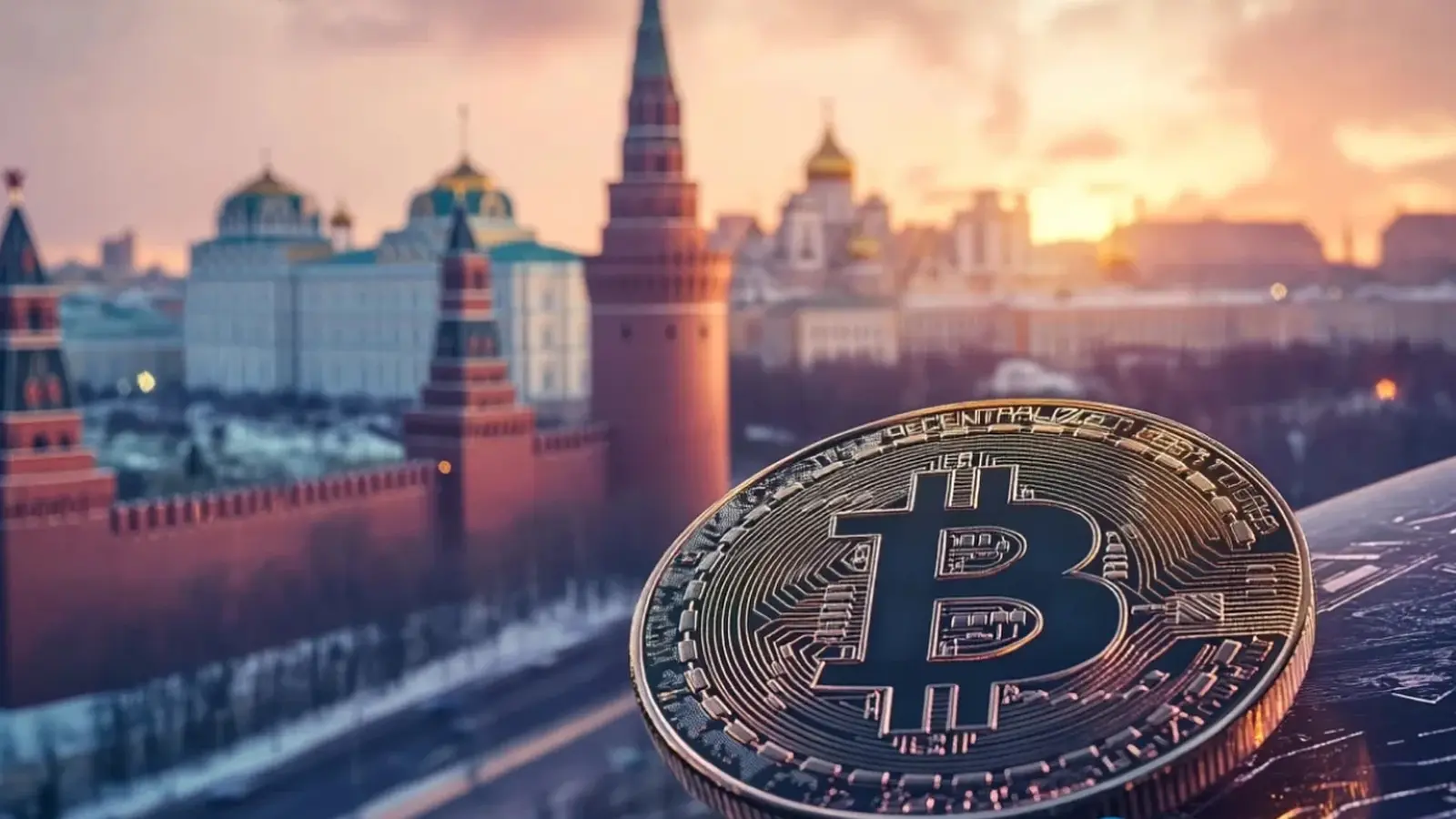
The State Duma Financial Market Committee has approved a revised draft of Russia's cryptocurrency regulation ahead of its second reading. The updated text removes a proposed requirement for holders to disclose wallet addresses, while adding new transfer controls and expanding permissible crypto uses for investment. Committee chair Anatoly Aksakov announced the changes on his Telegram channel; official State Duma records have not yet reflected the revision since the bill passed its first reading in April.
What changed: wallet reporting, balances, and transaction volumes
One of the most consequential amendments eliminates mandatory wallet address reporting. Under the revised bill, holders would report wallet balances and aggregate transaction volumes instead of listing specific addresses. Lawmakers described the change as a measure to reduce the risk that sensitive address data could be exposed or weaponized, addressing privacy concerns while maintaining aggregate reporting for compliance and oversight.
Crypto as an investment vehicle: DFAs and securities
The draft clarifies that cryptocurrencies can be used to purchase Russian securities and domestic digital financial assets (DFAs). DFAs are tokenized financial instruments issued under Russian law and regulated separately from broader crypto tokens. This provision could widen onramps to regulated markets by allowing licensed brokers and asset managers to accept crypto as an investment medium, potentially increasing institutional participation in tokenized financial instruments.

New transfer controls and retail investment limits
Although reporting obligations were relaxed, the bill retains strict retail investment caps. Non-qualified retail investors would remain limited to buying up to 300,000 rubles annually of the most liquid cryptocurrencies through a single intermediary. Policymakers say the limit aims to protect unsophisticated investors while preserving a controlled retail market.
Temporary freezes on large cross-border transfers

The revised proposal introduces a new power to freeze certain large transfers sent abroad or to third parties for up to two days. The draft does not disclose the threshold that will activate a freeze. Supporters argue this tool could curb capital flight and hamper illicit finance, while critics warn it risks disrupting legitimate cross-border crypto activity, complicating remittances, and undermining user confidence in crypto transfers.
Non-custodial wallets and ongoing uncertainty
Uncertainty remains over a previously floated proposal to ban non-custodial wallets, where the private keys are controlled solely by the user. The latest text does not clearly state whether that restriction remains, leaving industry participants and privacy advocates concerned about potential future limits on key custody models and self-custody rights.
Licensing, legal status, and market structure
During the bill's first reading in April, lawmakers proposed giving the Bank of Russia responsibility for licensing exchanges, brokers, and other crypto market operators. The draft also formally classifies cryptocurrency as property, extending legal protections for digital assets in civil matters like bankruptcy and divorce. At the same time, the legislation continues to prohibit crypto payments within Russia except for approved cross-border trade operations.
Access to foreign exchanges and 'friendly' jurisdictions
Aksakov indicated that licensed Russian brokers and asset managers could be authorized to trade on foreign cryptocurrency exchanges and use overseas exchange services, contingent on additional conditions. Access would likely depend on whether the host jurisdictions are deemed friendly by Russian authorities, introducing a selective framework for international market access that could shape liquidity and connectivity for Russian market participants.
Next steps and context: the digital ruble rollout
If the bill passes its second reading and secures approval from the Federation Council and the president, it will form the backbone of Russia's updated crypto regulatory framework alongside national digital asset initiatives. The legislative timeline coincides with the Bank of Russia's scheduled launch of the digital ruble on September 1, with major banks and large merchants preparing to support the central bank digital currency under the planned rollout.

Market participants, compliance teams, and crypto exchanges should monitor the State Duma's proceedings closely. How regulators balance investor protection, anti-money-laundering controls, custody rules, and international access will determine the practical contours of Russia's crypto ecosystem for years to come.











Leave a Comment
Comments (2)
Ok so limits and freezes, plus selective foreign access. Cute, but overbearing. If you're a small trader, yikes
Wait so they dropped wallet addresses but can freeze transfers? how's that private? smells fishy, tbh