
4 Minutes
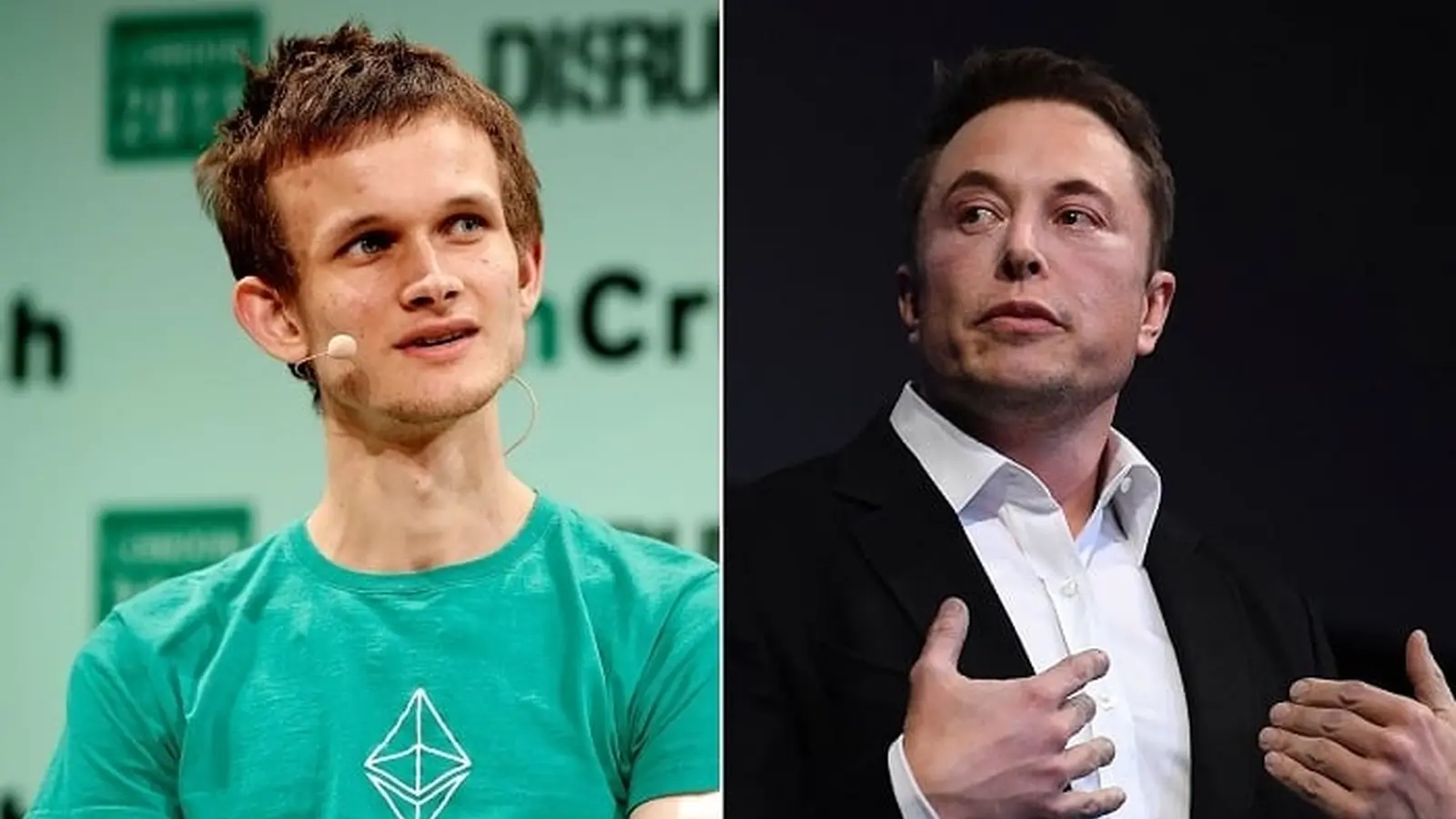
Vitalik Buterin is urging Elon Musk to reshape X into a global coordination layer for AI governance, proposing an open-platform approach that amplifies ordinary users’ influence over high-stakes AI decisions rather than leaving them to governments and large institutions.
Why X could become a public coordination layer
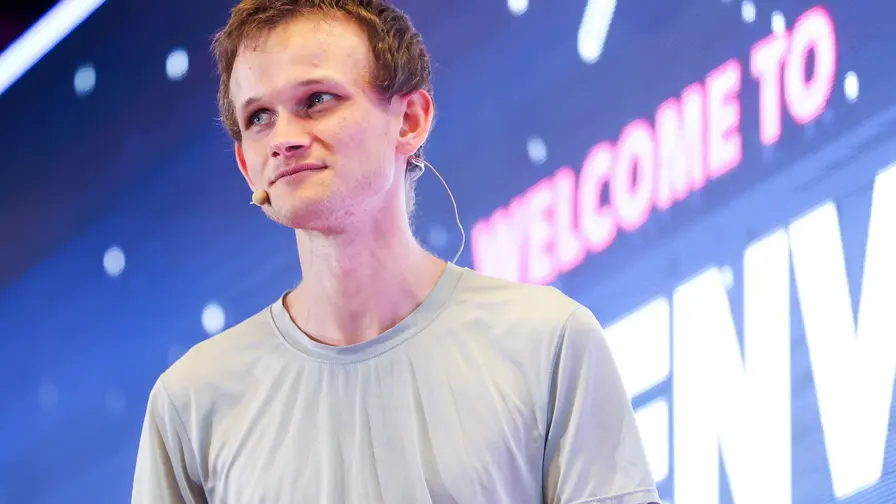
In a July 11 thread, Ethereum co-founder Vitalik Buterin argued that X — with its active user base, Community Notes system, and real-time information flow — is uniquely positioned to host public deliberation and collective decision-making around AI policy. Rather than centralizing power in governments, big tech labs, or NGOs, Buterin envisions X enabling broad, transparent participation in high-impact choices about AI development and deployment.
Buterin highlighted social technologies already present on the platform — such as community-driven fact checks and prediction markets — as foundational tools for improving collective knowledge and verifying outcomes. He also cautioned that incentive changes could turn X into a vehicle for coordinated harassment, reinforcing the need for careful governance design.
Concrete proposals: predefined triggers and open participation
Buterin did not call for new top-down regulations. Instead, he proposed a pragmatic framework: define objective trigger events that would prompt a temporary slowdown in certain AI development paths. Examples he suggested include a verified super-pandemic, unemployment exceeding 25%, or widespread use of autonomous lethal drones. These triggers could be monitored and validated using decentralized tools like prediction markets and cryptographic attestations.

By combining open participation with clear, measurable triggers, the model aims to balance collective input with safeguards that mitigate high-risk scenarios. This approach aligns with Buterin’s defensive acceleration (d/acc) ideas — investing in cryptography, formal verification, secure open hardware, pandemic preparedness, and robust public information systems to make technological progress safer and more resilient.
How crypto and blockchain fit into the vision
If X evolves into a coordination hub, crypto infrastructure could play a pivotal role. Prediction markets on-chain could provide transparent event verification. Zero-knowledge proofs and other privacy-preserving cryptographic tools could protect participants while enabling verifiable claims. On-chain governance mechanisms might help operationalize collective decisions, and decentralized identity systems could reduce manipulation and bot-driven coordination.
Buterin’s Lean Ethereum roadmap and long-standing support for privacy-focused infrastructure also feed into this plan, suggesting a larger role for decentralized systems in public-interest coordination. For DeFi and broader crypto markets, an X-centered governance layer could drive demand for on-chain verification services, oracle networks, and open-source secure hardware initiatives.
Context: the accelerating AI race
Buterin’s thread arrives as competition among AI labs intensifies. SpaceXAI recently released Grok 4.5, described by Elon Musk as an “Opus-class model” that improves speed, token efficiency, and cost. OpenAI is preparing GPT-5.6 for release, escalating the pace of model advancements. These developments underscore the urgency of designing governance frameworks that can adapt quickly while preserving safety.
Buterin framed the broader debate as a clash of worldviews: one side expects forms of superintelligence to emerge within decades, while the other treats AI as a steady continuation of past technological advances and downplays existential risks. He acknowledged uncertainty on timelines but emphasized the value of pre-agreed triggers and decentralized verification as mechanisms to keep development aligned with public safety.
Risks and trade-offs
Open coordination has benefits — wider legitimacy, transparency, and distributed scrutiny — but also risks, including misinformation, factionalization, and potential manipulation. To mitigate these dangers, Buterin recommends combining social tech (community moderation and prediction markets) with crypto-native safeguards (zk-proofs, robust on-chain governance, and formal verification). Thoughtful incentive design will be critical to prevent abuse while preserving inclusive participation.
What this means for crypto markets and developers
For blockchain developers, the proposal signals potential growth areas: oracles, prediction market platforms, privacy layers, and governance tooling could all see increased attention if a major platform like X adopts an explicit role in AI coordination. For token projects and DeFi protocols, transparent, verifiable governance processes may become a selling point as institutions look for infrastructure to support democratic, accountable decision-making.

In short, Buterin’s call to Elon Musk reframes X as a possible global forum for negotiating AI policy using a mix of social coordination and cryptographic verification. Whether Musk accepts the idea or how X might implement such systems remains uncertain, but the discussion highlights a growing convergence between AI governance and decentralized crypto infrastructure.

Leave a Comment
Comments (2)
Is the plan to trust prediction markets and zk proofs to police AI? sounds fragile to me, who audits the auditors...
Wow, X as a global AI council? wild idea. Could boost transparency but mobs + privacy nightmares... curious tho