
2 Minutes
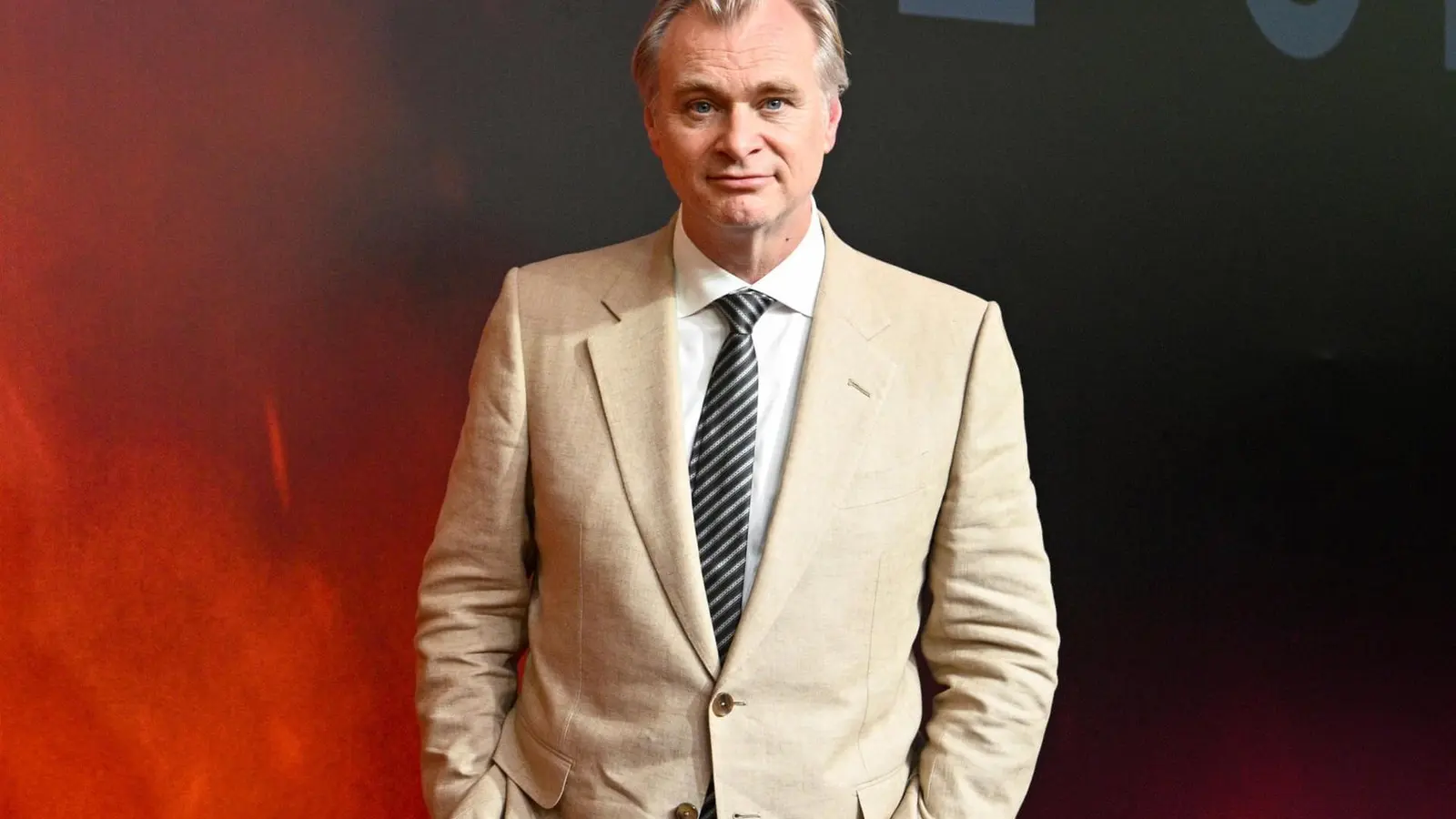
Is artificial intelligence really poised to elbow human imagination out of the director's chair? Christopher Nolan says no — and he does not mince words.
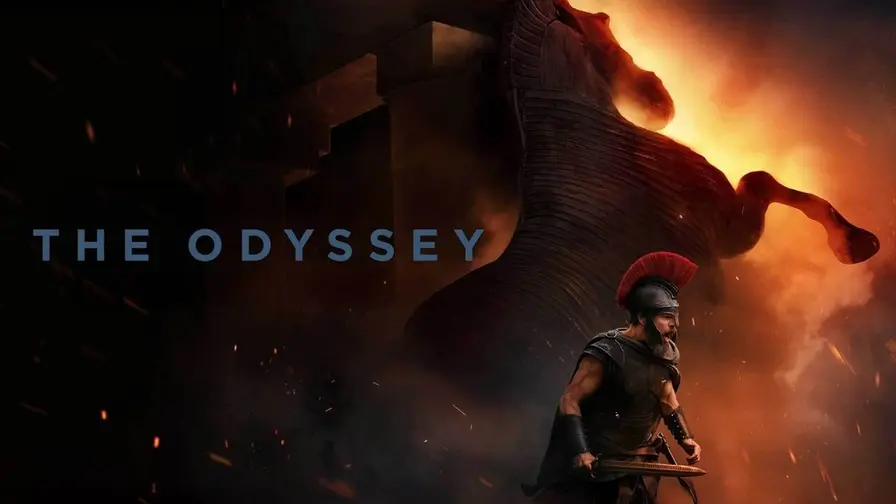
On the eve of his latest release, Odyssey, the Oscar-winning filmmaker pushed back hard against the notion that machines can fully supplant human creativity. Nolan argues that his large-scale action films, shot on real locations with practical effects and painstaking craftsmanship, will outlast the hype cycle around AI-driven content.
He pointed to an odd disconnect he sees in the public conversation: Wall Street, venture capitalists and tech companies are racing to embrace AI, while much of the public has met that embrace with skepticism — even scorn. Young audiences, Nolan noted, have coined the term AI garbage to describe the flood of soulless text, video and audio churned out by automated systems. Strange, he says. And telling.

Nolan expects AI to have a useful place in filmmaking — particularly as a tool for image-making and visualization — but draws a firm line when it comes to replacing human authorship. But the idea that AI will fully replace humans and human creativity, to me, is nonsense.
This latest stance echoes comments he made around the release of Oppenheimer, when he compared warnings from nuclear physicists to concerns raised by AI researchers such as Geoffrey Hinton. Hinton, often described as a godfather of AI, resigned from Google to speak more freely about existential risks, a move Nolan has referenced to underline the seriousness of the debate.
Beyond theory, Nolan keeps returning to one practical demand: responsibility. AI, he says, can be a powerful tool. Short sentence. But there is a condition. Studios, producers and managers must not use it as a way to dodge accountability or replace the due diligence that filmmaking — and any creative industry — requires. If the technology becomes an excuse to cut corners, that is where Nolan draws the line.
Tools change. Craft endures. Nolan's message is blunt and simple: embrace innovation, but keep the human heart in the frame.

Leave a Comment
Comments
No comments yet. Be the first.