
3 Minutes
Nubia just peeled back the curtain on a phone designed to rethink how we interact with software. Meet the NaviX Ultra, ZTE’s bold attempt to center a smartphone experience around an AI agent instead of a row of traditional apps.
Not the first to flirt with the idea, of course. Last year a Chinese startup, StepFun, launched the StepX Neo — a handset that already pushed the “agent-first” narrative. So why does Nubia’s entry matter? Because it comes from an established player with the resources to take the concept beyond an experiment and into broad consumer reach.

At the heart of the device is a dedicated AI assistant called Doubao. ZTE has teased the name and the ambition, but kept most of the mechanics under wraps. We don’t yet know whether Doubao runs on a customized version of Android, whether traditional Android apps will remain fully supported, or how much processing will happen locally versus in the cloud.
ZTE has not disclosed hardware specifications, pricing, or a release date.
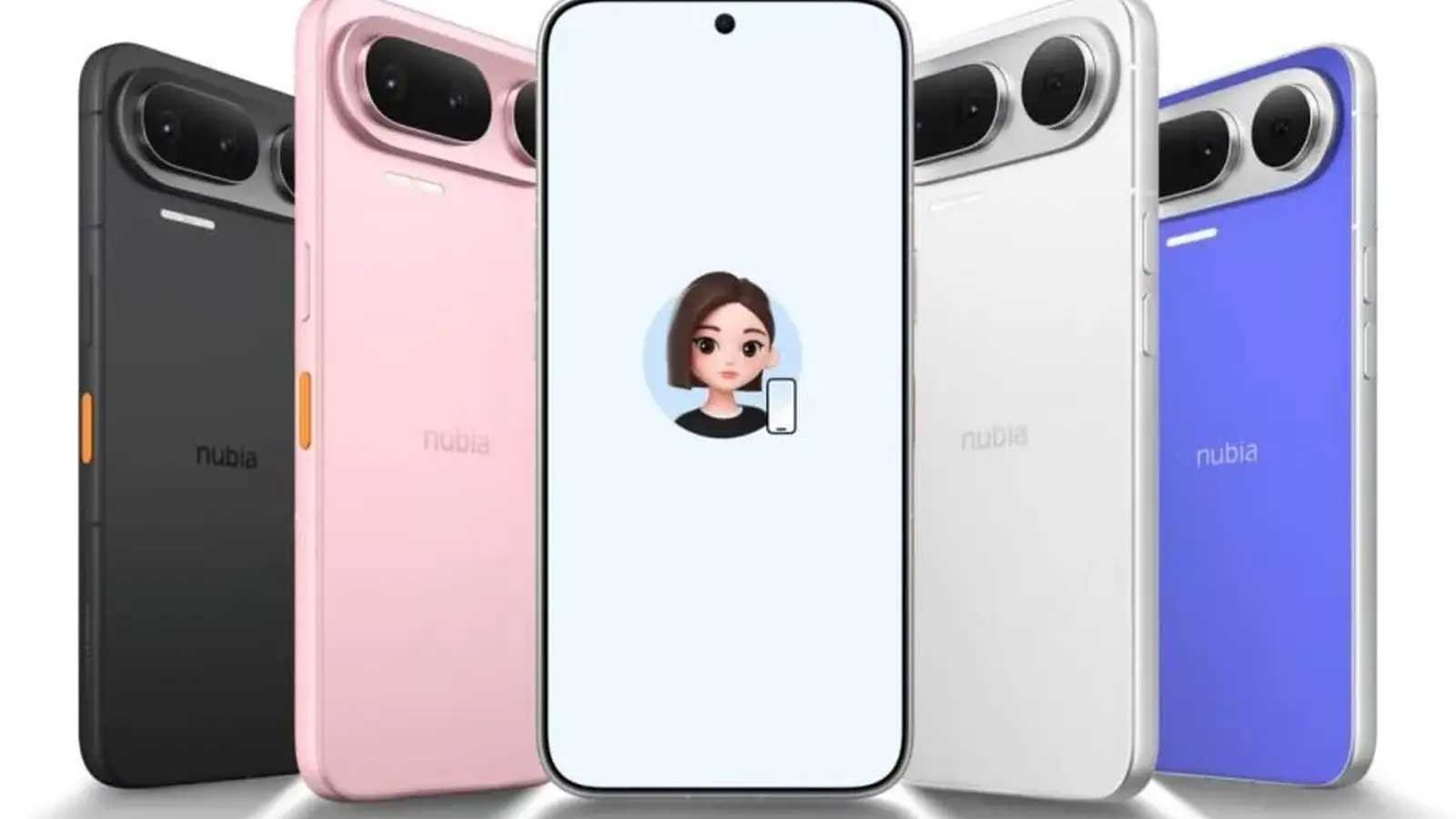
Design clues offer the first real hints. Official images show the NaviX Ultra in white, pink, blue, and black, featuring an ultrathin bezel and a centrally placed punch-hole selfie camera. The frame appears to be metal with gentle curves and visible antenna lines. A bright orange, dedicated AI button sits on the side — a small but deliberate gesture that signals the company’s intent to make the agent a primary control point.

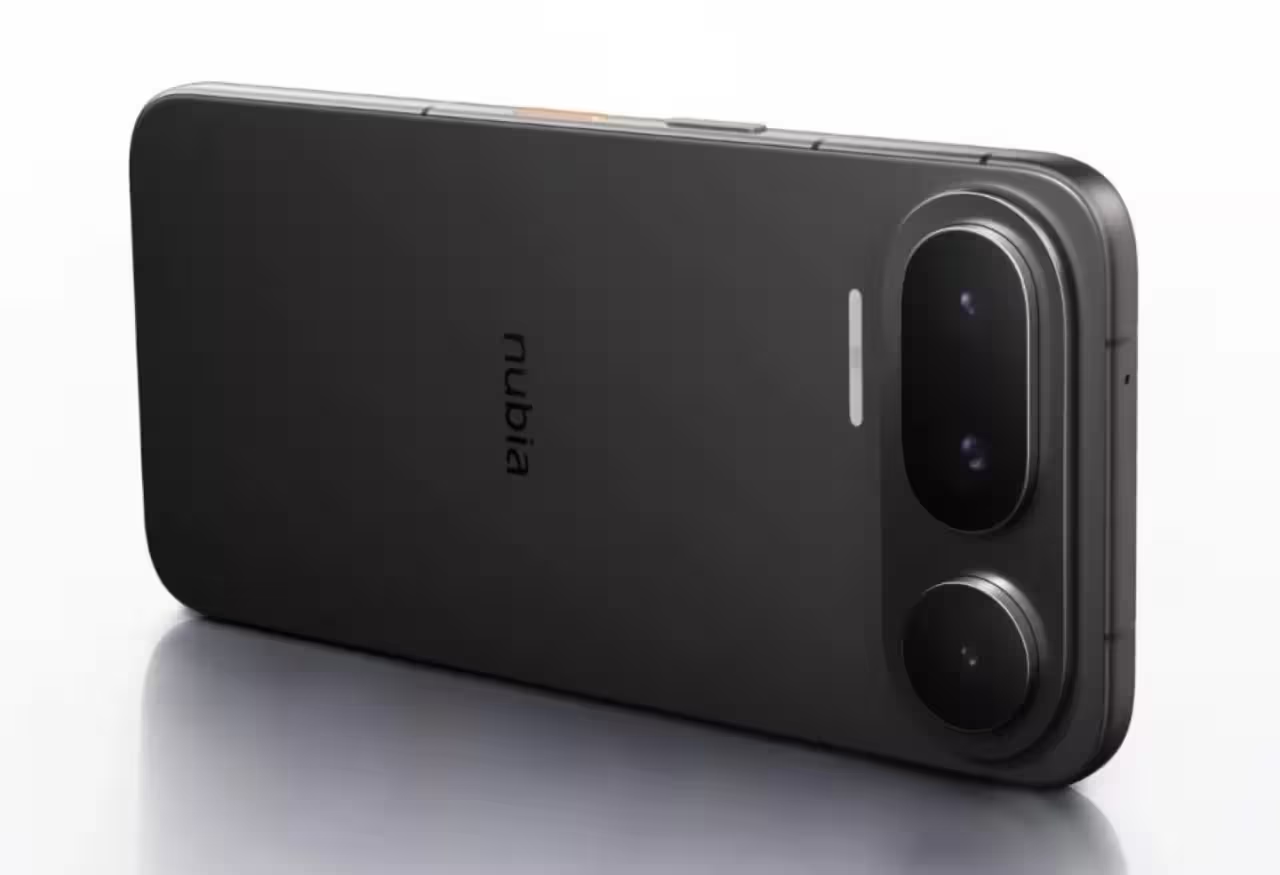
The camera module borrows a familiar aesthetic, evoking recent Apple designs with a vertical layout for three lenses and a stretched LED flash beneath them. It’s a look that suggests Nubia is balancing innovation in software with a conventional, premium hardware play.
So what will the user experience feel like? Imagine a phone where instead of hunting through folders, you ask a persistent, context-aware companion to fetch, summarize, or stitch tasks together. Sounds useful. Also disruptive. But history warns us: most so-called agent-centric systems initially preserve the old app model and simply wrap it with smarter assistants.
Will Doubao break that mold? Expect answers at the World Artificial Intelligence Conference (WAIC) 2026, where Nubia plans to reveal deeper technical and software details. Until then, the NaviX Ultra sits squarely in that uneasy middle ground between a concept and a product, promising to shift how apps are accessed while leaving many critical questions unanswered.
Either way, the race is on — and the next few months should tell us whether agent-first phones are a fleeting trend or the future of mobile interaction.

Leave a Comment
Comments
No comments yet. Be the first.