
3 Minutes
Some horror movies arrive like a whisper. Pinocchio Unstrung arrives like a heartbeat stopped and then restarted with a chainsaw. Critics have spoken—loudly—and the latest entry in the Twisted Childhood universe has, for now, broken the franchise's Rotten Tomatoes ceiling.
Reece Frick-Waterfield's twisted concept—turning beloved childhood icons into slasher villains—has always been polarizing. Think Winnie-the-Pooh who bites back, Peter Pan turned sadistic, Bambi with a vendetta. Each film has leaned into practical gore and nostalgic discomfort, but Pinocchio Unstrung seems to have found a new balance: it’s vicious, yes, but also unexpectedly humane.
The headline: Pinocchio Unstrung opened with a perfect 100 percent critics' score on Rotten Tomatoes. Before anyone panics or crowns a new classic, note the caveat—only ten critic reviews had been tallied at the time of reporting, so the number could shift as wider criticism rolls in. Still, this is the first Twisted Childhood film ever to touch the clean sweep mark.
How does this compare to its siblings? The franchise has been a roller coaster. Winnie-the-Pooh: Blood and Honey began with a punishing 3 percent from critics and a divided audience. Its sequel recovered some goodwill. Peter Pan’s Neverland Nightmare and Bambi: The Reckoning landed mixed but notable responses. Pinocchio Unstrung, at least initially, is being called the most accomplished of the bunch—tighter, sharper, and strangely affecting.

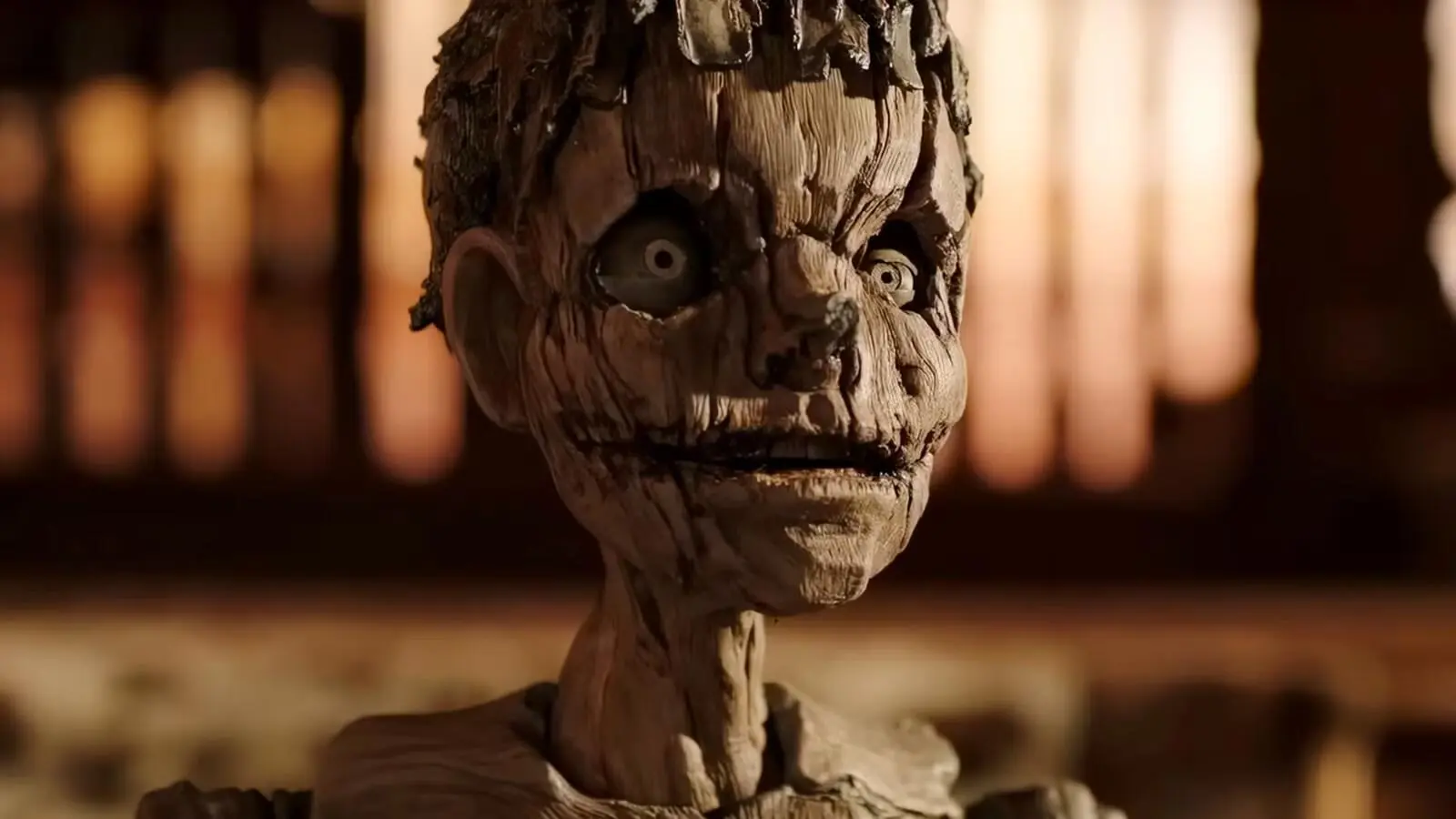
The film riffs on Carlo Collodi’s 1883 tale, but this is Collodi through a cracked mirror. An animatronic puppet desperate to become a real boy takes a gruesome route to humanity. Frick-Waterfield wrote and directed, leaning heavily on old-school effects: animatronics, puppetry, and practical makeup that give the movie a tactile, unsettling presence many modern horror films lack. When the blood flies, it lands convincing and oddly nostalgic.
Cast choices help sell the idea. The voice of Pinocchio comes from Jude-Owen Lloyd, while horror icon Robert Englund lends his unmistakable tone to the cricket. Richard Brake plays Geppetto; Cameron Bell, Jessica Balmer, and Peter DeSouza-Feighoney round out the principal cast, the latter portraying Michael Darling. Their performances are frequently cited by reviewers as a major strength—actors committing to the film’s dark whimsy so that it feels lived-in, not merely sensational.
Critics have praised the film’s craft: the practical effects, the animatronics, and a willingness to push gore into gleefully theatrical territory. Yet perhaps the biggest surprise is the emotional center. Beneath the gore, several reviewers found a genuine, if twisted, tenderness. Some scenes hinge on small human beats—a look, a regret, a misfired attempt at love—and those moments make the violence land with weird resonance rather than empty shock value.
Of course, no film is flawless. Several reviewers flagged script weaknesses and the franchise’s familiar flaws: pacing dips, tonal jitteriness at times. But the consensus among many critics is forgiving. Why? Because the movie is entertaining. It plays to its strengths and occasionally surpasses them, emerging as what some are calling the franchise’s strongest release to date.
Pinocchio Unstrung premiered earlier this year at the Brussels International Festival of Fantasy Films and opens wide on July 24, when audience scores will begin to appear. Expect debate. Expect blood. Expect, unexpectedly, a few people to leave the theater oddly moved by a puppet's warped search for identity.
If you follow genre cinema, this is one to watch—and to argue about.


Leave a Comment
Comments
No comments yet. Be the first.