
3 Minutes
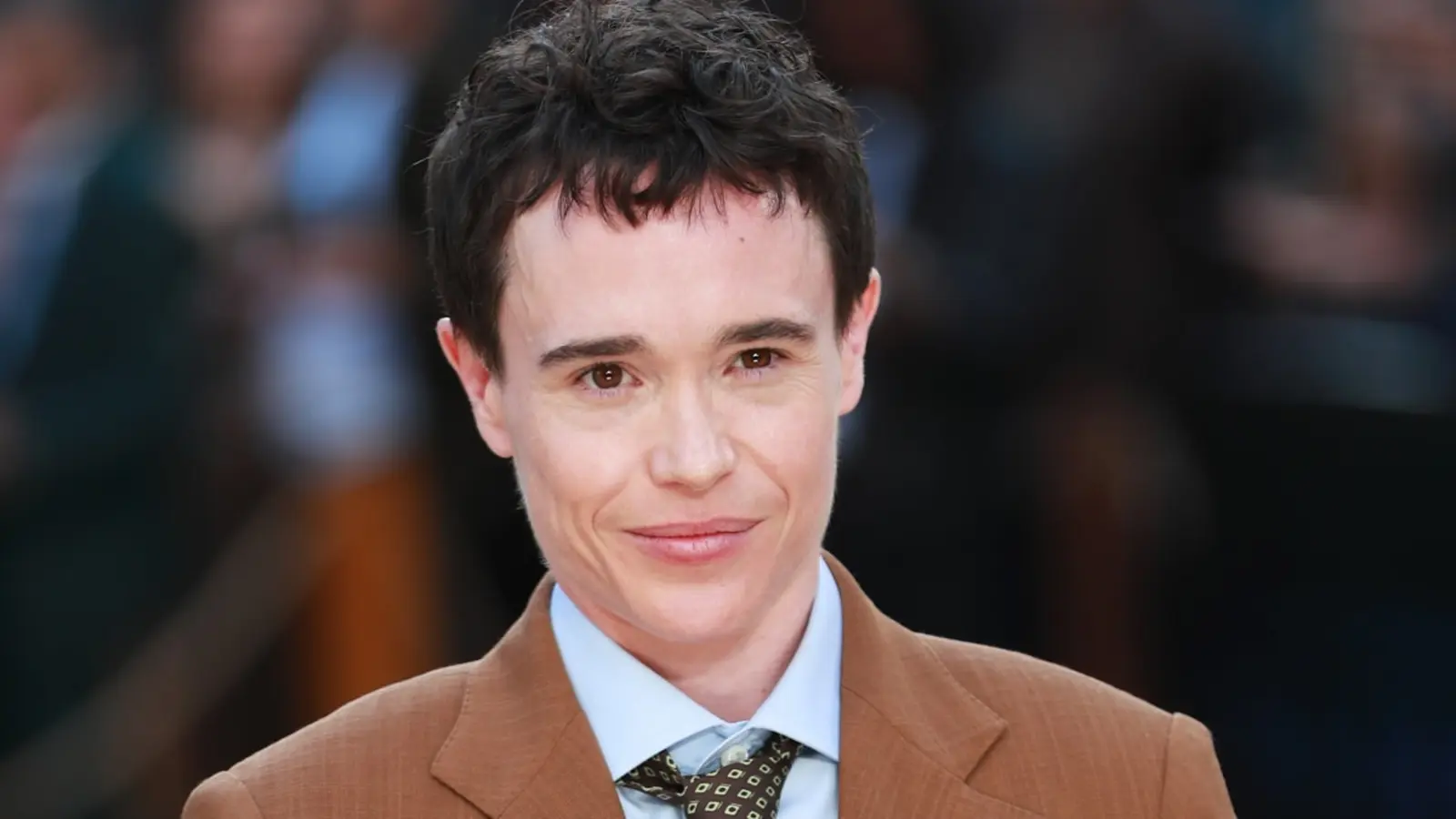
There was a moment when the chatter around The Odyssey threatened to drown out the film itself. Elliot Page decided to speak—not about the online outrage, but about the work. Short. Direct. Human.
Page, who reunites with Christopher Nolan after 2010's Inception, addressed his role on The Daily Show with D.C. Liddy, offering a calm, craft‑first perspective that sidestepped the predictable headlines. Why focus on drama and outrage when the job is to serve a story? That seemed to be his answer.
The part he plays—Sinon—is not a figure from Homer’s Odyssey. It’s a character introduced centuries later in Virgil’s Aeneid. That detail mattered to Page. When Nolan invited him into the project, their conversations circled a single idea: Sinon as a mirror for Odysseus, a way to dramatize the consequences of war, the fallout of violence, and the human wreckage left behind. Brief scenes. Big implications.
It wasn’t only internet trolls who reacted. Some conservative voices, and even Elon Musk, publicly criticized Nolan’s casting choices, suggesting they would assemble a "historically accurate" version using artificial intelligence. The blowback grew loud. Page faced transphobic attacks in the wake of his casting. He chose a different route—focus on the few minutes he had on camera and try to make them count.

Was he anxious? Absolutely. He admitted as much. Nerves, he said, were constructive: the kind that sharpen a performance rather than paralyze it. That pressure came with a thrill. The aim was clear—bring truth to the role, justify every second on screen, and satisfy Nolan, whose artistic standards Page described as rare and exacting.
Production itself was brutal at times. Weather and extreme temperatures pushed the cast and crew. Page noted he had a relative advantage—an upbringing in cold Canadian climates made some of the harsh conditions more tolerable—but he watched his colleagues shoulder a punishing schedule and wondered how they kept going. He filmed his scenes early in the shoot, returned later for final work, and witnessed firsthand the stamina filmmaking at this scale demands.
The Odyssey is not a small film by any measure. The ensemble reads like a who’s who of contemporary cinema: Matt Damon, Tom Holland, Anne Hathaway, Robert Pattinson, Lupita Nyong'o, Zendaya, John Leguizamo, Samantha Morton, Charlize Theron, Jon Bernthal and Himesh Patel, among others. Audiences answered at the box office. The film opened to a $124.5 million domestic debut and has pushed global receipts past $300 million, with strong international legs. Early projections even expect another solid weekend, buoyed by limited direct competition.
One technical choice has become part of the movie’s story: Nolan shot The Odyssey on IMAX 70mm. It’s an old‑school, tactile decision that paid off in ticket demand, especially in major cities where IMAX screenings sold quickly. Film as event. Film as experience. People are showing up to see it the way it was made.
So where does that leave the conversation about casting and backlash? For Page, it came down to craft and context. For audiences, it seems to be about what’s on the screen versus what’s shouted from the sidelines. The film will keep speaking, in the largest format Nolan could stage; the question now is whether the noise can be silenced by a story people want to watch.

Leave a Comment
Comments
No comments yet. Be the first.