
4 Minutes
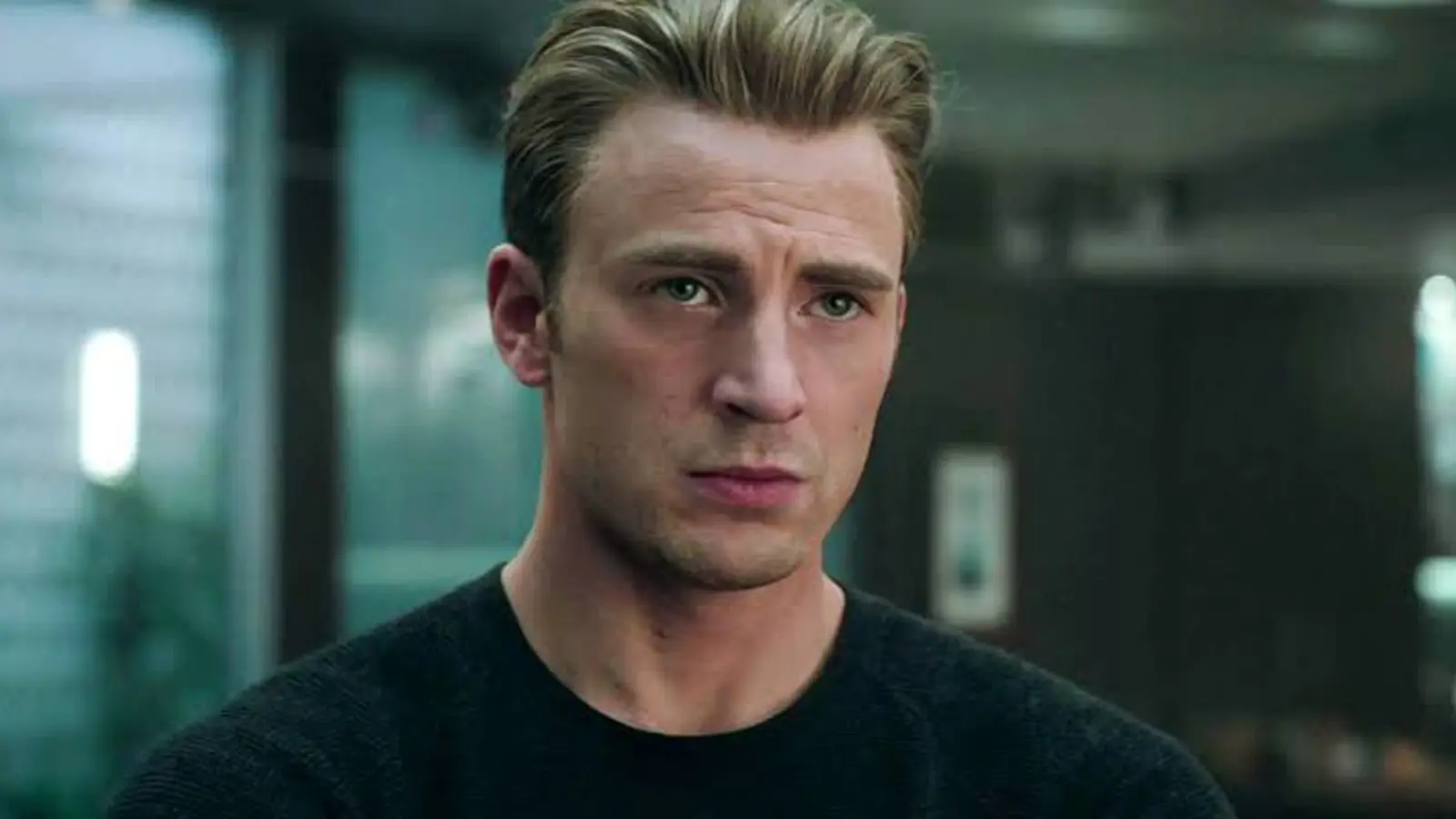
He said no. More than once. Chris Evans revealed that before signing on for Avengers: Doomsday he had declined at least a dozen invitations to return as Steve Rogers.
The story begins after Avengers: Endgame closed the book on a character that, for many fans, had a perfect ending. Evans told Entertainment Weekly that Marvel kept coming back with ideas. Lou DiSposito and Kevin Feige even invited him to dinner soon after Endgame wrapped in 2018 to pitch a Nomad-centered continuation. He listened. He asked them to show him the plans. The first proposal was intriguing. But something didn’t sit right. He wanted the emotional weight of Steve’s farewell preserved. So he passed — politely, repeatedly.
Over roughly eight years, Evans says, Marvel presented at least twelve distinct concepts for bringing Steve back. Each had its craft. Each had talent behind it. Still, none landed the way he hoped. Ideas can be brilliant on paper and hollow in the gut. Evans reached a point where he questioned whether his chapter as Captain America had simply run its course. Then the calculus shifted. Robert Downey Jr.’s return into the Marvel fold changed the landscape, and when the Doomsday pitch arrived, Evans suddenly felt the timing and the story aligned.

He refused to repeat the role just for nostalgia’s sake; he wanted a reason that honored Steve Rogers’ ending.
From a studio perspective, bringing Evans back is an easy win. Nostalgia sells. A familiar face can anchor marketing campaigns and reawaken lapsed interest. But it’s not without peril. When a character receives a definitive, emotionally resonant ending — as Steve did at the close of the Infinity Saga — returning can dilute that finality. Fans legitimately ask: what’s the point of resurrecting a hero whose arc felt complete?
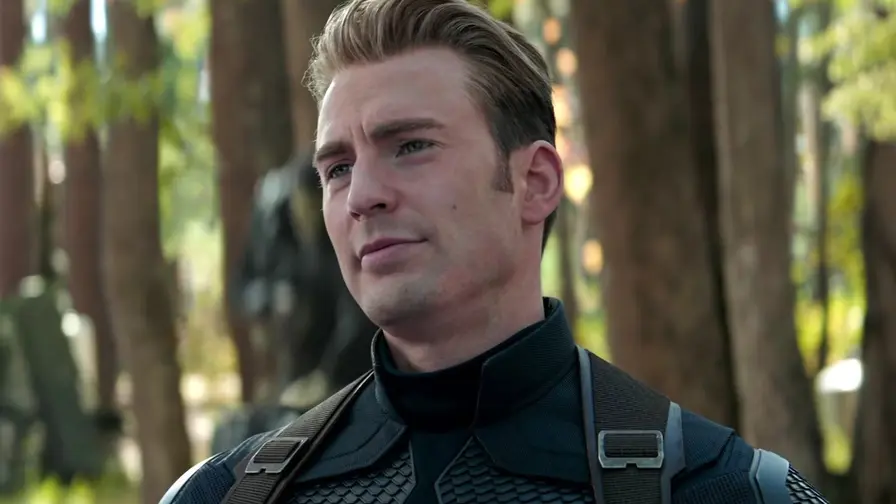
That tension seems to have guided Evans’ reluctance. He didn’t want to undo what Endgame accomplished. He also didn’t want to sign on for a cameo or a retread. Instead, he waited for a story that felt necessary rather than merely nostalgic.
So what changed with Doomsday? Partly the promise of a larger emotional and narrative hook. One popular theory circulating among viewers suggests Steve’s decision to stay with Peggy Carter created the Incursions — catastrophic breaches that threaten the multiverse. If true, that gives Steve a moral obligation to act. His sense of duty and the weight of guilt could plausibly drive him back into the fray. It’s a tidy way to connect personal stakes to cosmic consequences.
Another tantalizing rumor points to a darker twist: the Captain seen in the latest Doomsday trailer might not be the sentimental Steve we remember, but Captain Hydra — an alternate, villainous version aligned with Doctor Doom. If Evans gets to play a corrupted or morally ambiguous variant of his signature role, it would be an actor’s payday: the same face, worn in a radically different shade. That kind of turn would justify a return on artistic grounds, not just box-office calculations.
Marvel’s strategy also matters. The studio thrives on secrecy. Teasers. Controlled leaks. The slow drip of confirmations that build feverish anticipation. Simply announcing Evans’ return will spark waves of excitement. Holding cards close will keep audiences guessing, and that surprise factor has been central to Marvel’s biggest wins.
Reports even suggest the upcoming re-release of Endgame may include new scenes intended to bridge directly into Doomsday, though Marvel has traditionally kept those details close to the vest. Whether those additions appear or not, the aim is clear: create a narrative thread that makes this comeback feel earned and integral, not tacked-on.
At the heart of all this is a simple professional ethic. Evans didn’t want to erode the finality of a character’s journey. He demanded a reason — narrative, emotional, or thematic — to step back into Steve Rogers’ boots. That patience says something about his respect for the role and for the fans who have lived through Steve’s arc.
In the months ahead we’ll learn how Doomsday handles that balancing act. Will it deepen Steve Rogers’ legacy? Or will it reshape the memory of his farewell in ways fans didn’t expect? Either way, Evans’ long hesitation and eventual agreement suggest this isn’t a casual comeback. It’s a bet on story, and on whether a beloved hero can return without losing what made him unforgettable.

Leave a Comment
Comments (2)
Is this even true? like 12 pitches over 8 yrs... feels wild. if Steve's back as Hydra tho, that would be messed up but interesting, curious how they explain it
wow, didn't expect Evans to say no so many times. kinda relieved he waited. hope Doomsday actually earns Steve's return, not a cash grab