
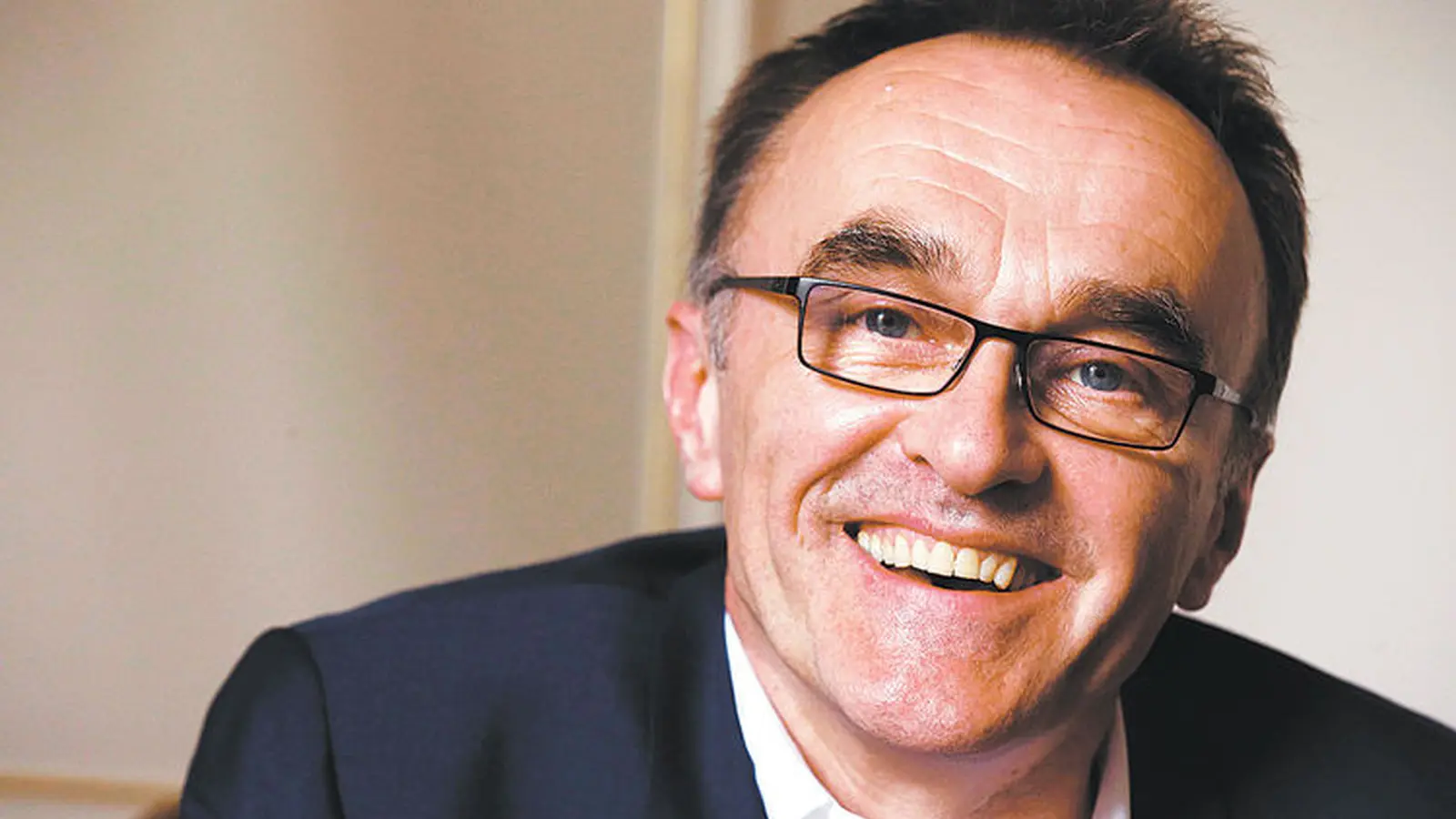
Thirty seconds changed much of the conversation around Danny Boyle's latest film. The Oscar-winning director has admitted that roughly half a minute of Ink was created using generative AI — a detail that quickly became the talk of Venice and social feeds alike.
Speaking to Vanity Fair, Boyle explained they animated a handful of old photographs and used AI to generate some of the mice running through the newsroom. 'About 30 seconds of the film was made with AI,' he said, describing a small sequence of moving images and the digitally crafted rodents that appear in the Sun editorial offices.
Festival viewers had already guessed that the stylized, animated moments — including suggested likenesses of the Kray brothers and a fleeting Margaret Thatcher image — might be synthetic. Boyle's confirmation didn't come as a surprise, but it did sharpen the debate: when and how should filmmakers use machine-made imagery?
His answer was pragmatic. Boyle stressed that his personal opinion matters less than how the next generation views these tools. He framed AI as a creative instrument, not an automatic answer. AI can be a powerful tool—so long as it's used with respect and workers are compensated. If an actor's likeness is reproduced, he argued, fair payment should follow.
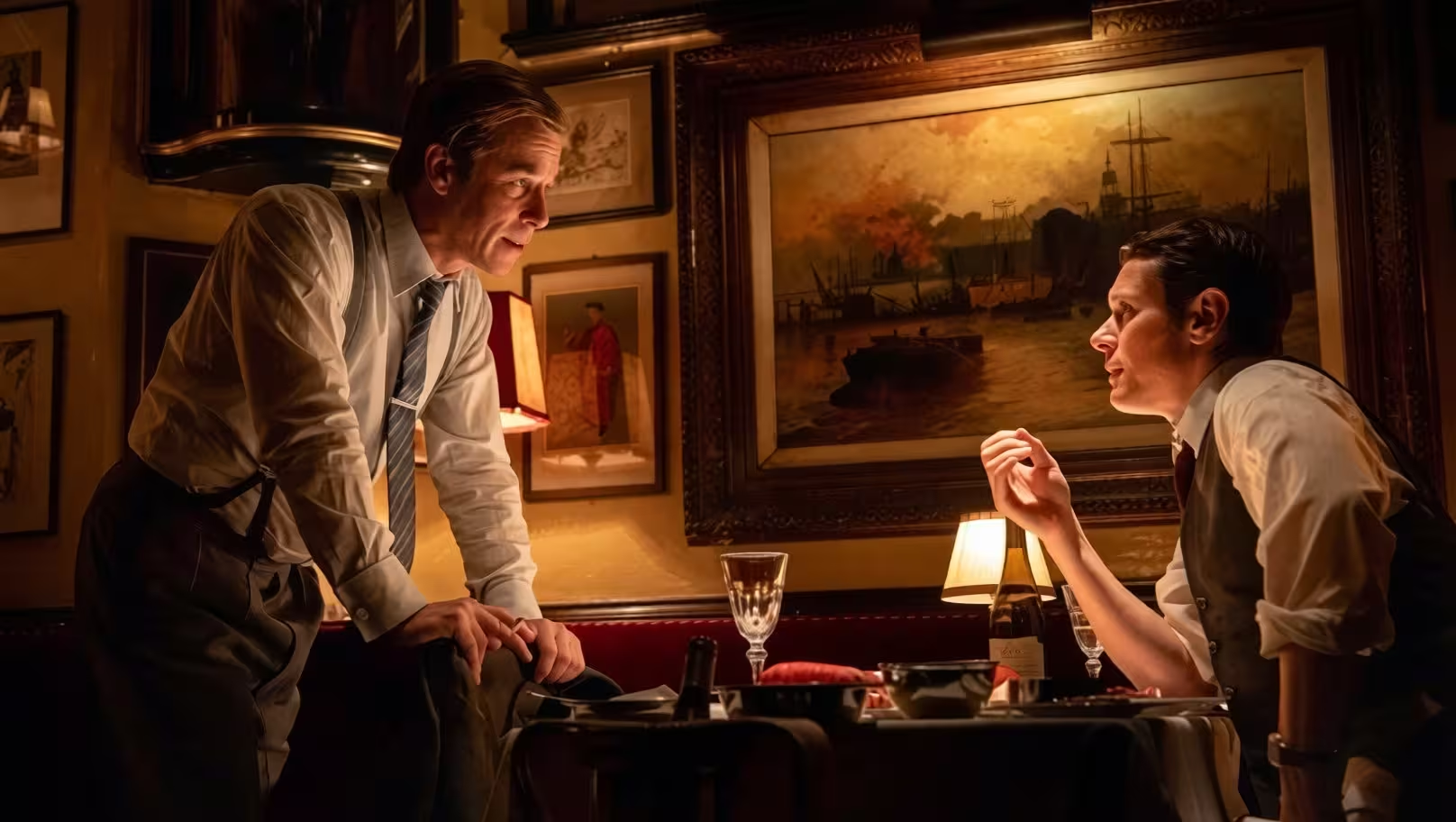
Boyle has been vocal before. At Ink's Venice press conference he warned about the danger AI poses to journalism, asking whether a cheaper, more efficient AI reporter could ever hold power to account the way a human journalist might. Can an algorithm built by powerful companies truly challenge those same powers? He left that question hanging, intentionally sharp.
Ink itself is a period drama about the rise of The Sun in the 1970s. Jack O'Connell, Guy Pearce and Claire Foy lead a cast portraying the tumultuous era when Larry Lamb left the Daily Mirror to join Rupert Murdoch's Sun and help transform it into a sensational force. The film, a StudioCanal and Netflix collaboration, premiered in Venice to strong reviews and currently sits at 85 percent on Rotten Tomatoes.
After its Venice bow, Ink will open in limited release in the U.S. on December 11, 2026, before arriving on Netflix on January 8, 2027, for viewers in the U.S. and Latin America. Its theatrical run in the U.K. and Ireland will begin around the same time. Whether audiences focus on the film's story, its performances or the brief AI moments, one thing is clear: the conversation about technology and creative responsibility is only getting louder.
So where does that leave filmmakers, actors and journalists? The question feels less hypothetical than it did five years ago — and far more urgent.

Leave a Comment
Comments
No comments yet. Be the first.