
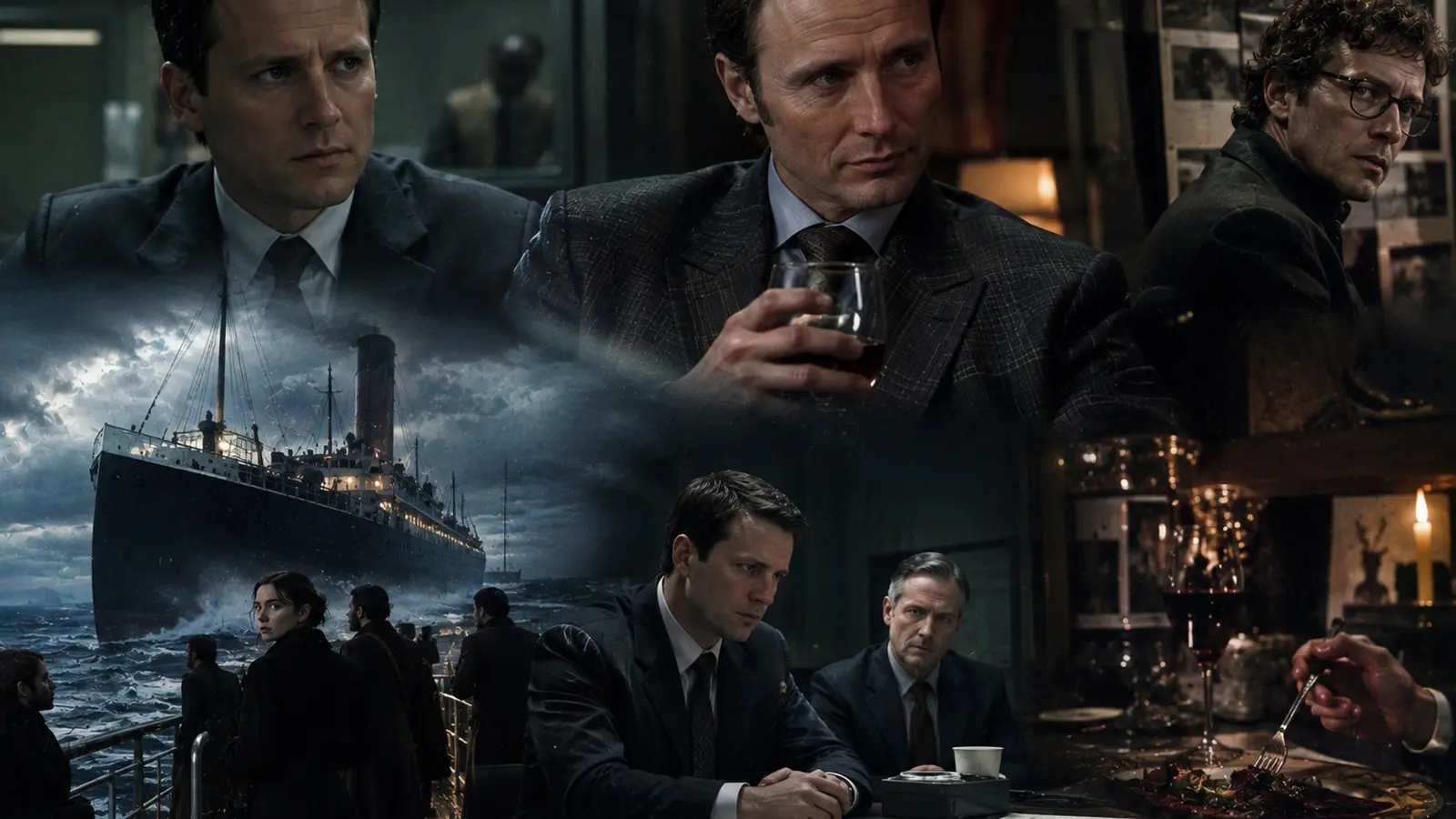
5 Minutes
Why do some of the best shows end not because the story ran out, but because the machinery behind them did? We've all felt it: a finale that feels less like an ending and more like someone cut the cord. Here are ten series that stopped when they were just getting interesting — each one leaving threads, characters and worlds hungry for more.
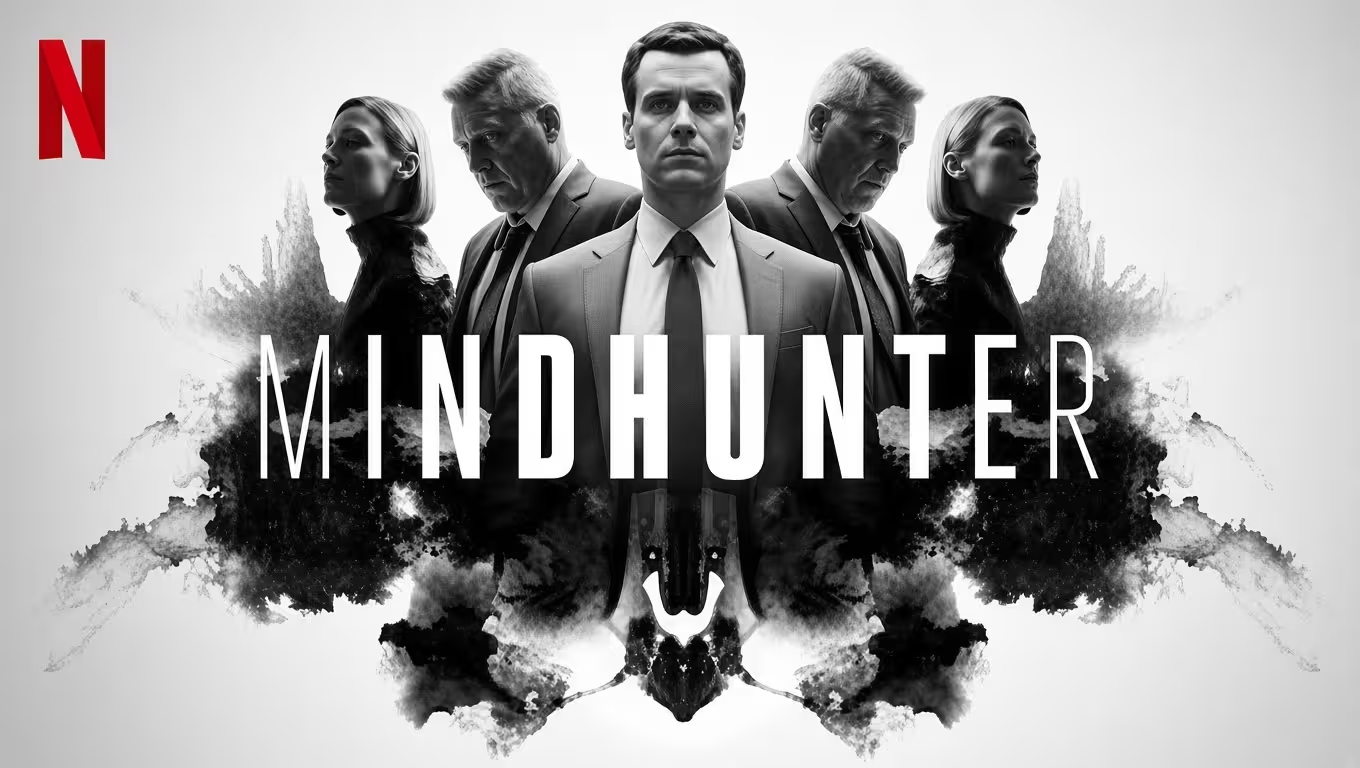
1. Mindhunter (2017–2019) — David Fincher’s slow-burn crime drama refined the language of criminal psychology on television. Two seasons built a cold, obsessive study of serial killers and the agents who tried to understand them. The second season pushed the show from case files into the fraught private lives of its protagonists, and then stopped while questions still hung in the air. Production hesitated around Fincher’s schedule and exacting standards; the result was an indefinite pause rather than a clean ending. Imagine another season that pushes farther into notorious cases and the moral costs of obsession — the payoff could have been enormous.
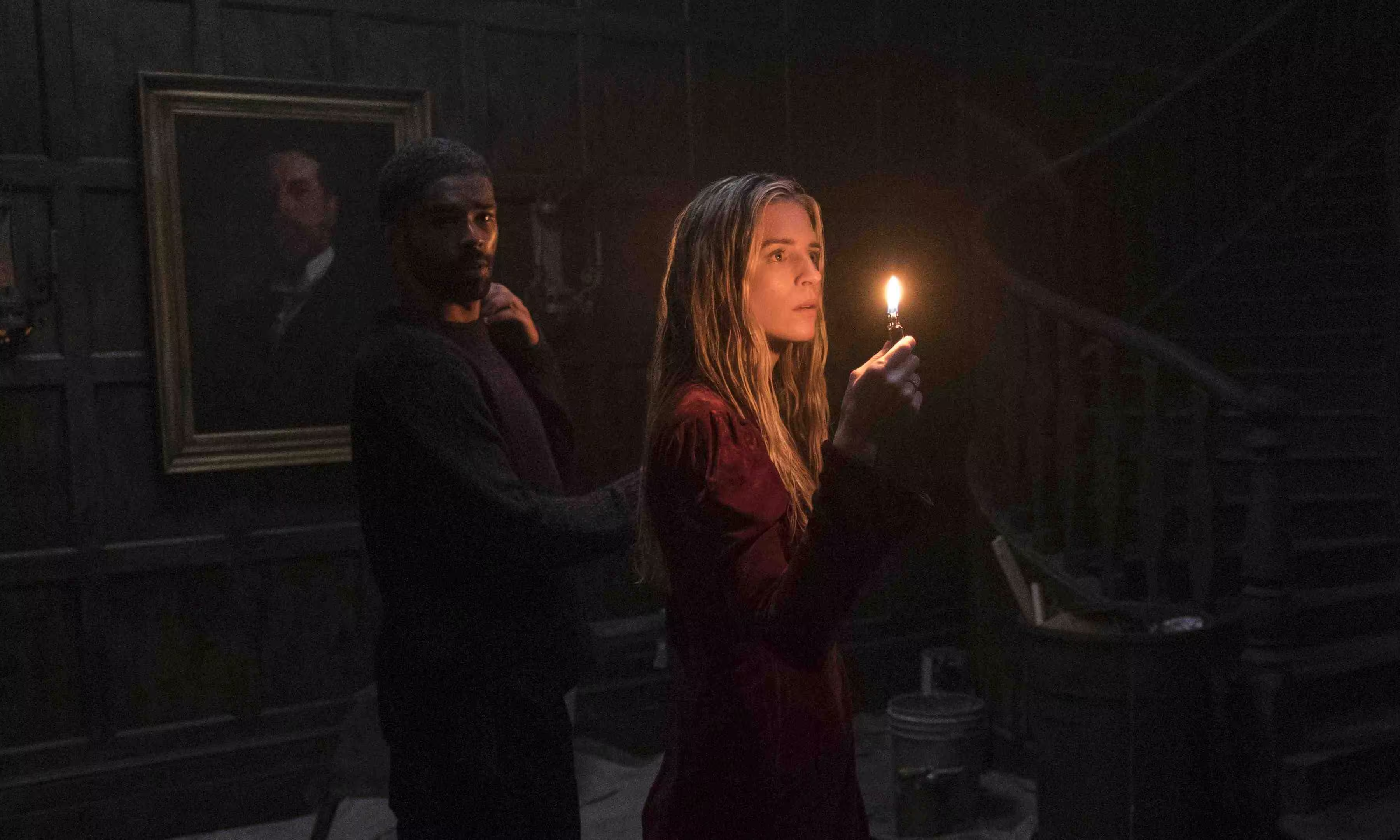
2. The OA (2016–2019) — Rare is a show this singular. Brit Marling and Zal Batmanglij spun a mysterious, metaphysical saga about disappearances, near-death experiences and converging realities. They envisioned a five-part odyssey; Netflix gave viewers two seasons and then pulled the plug. The second season closes one door only to open several others, leaving a deliberate set of riddles without a next chapter. The result: a devoted fanbase left to speculate about what those creators might have revealed next.
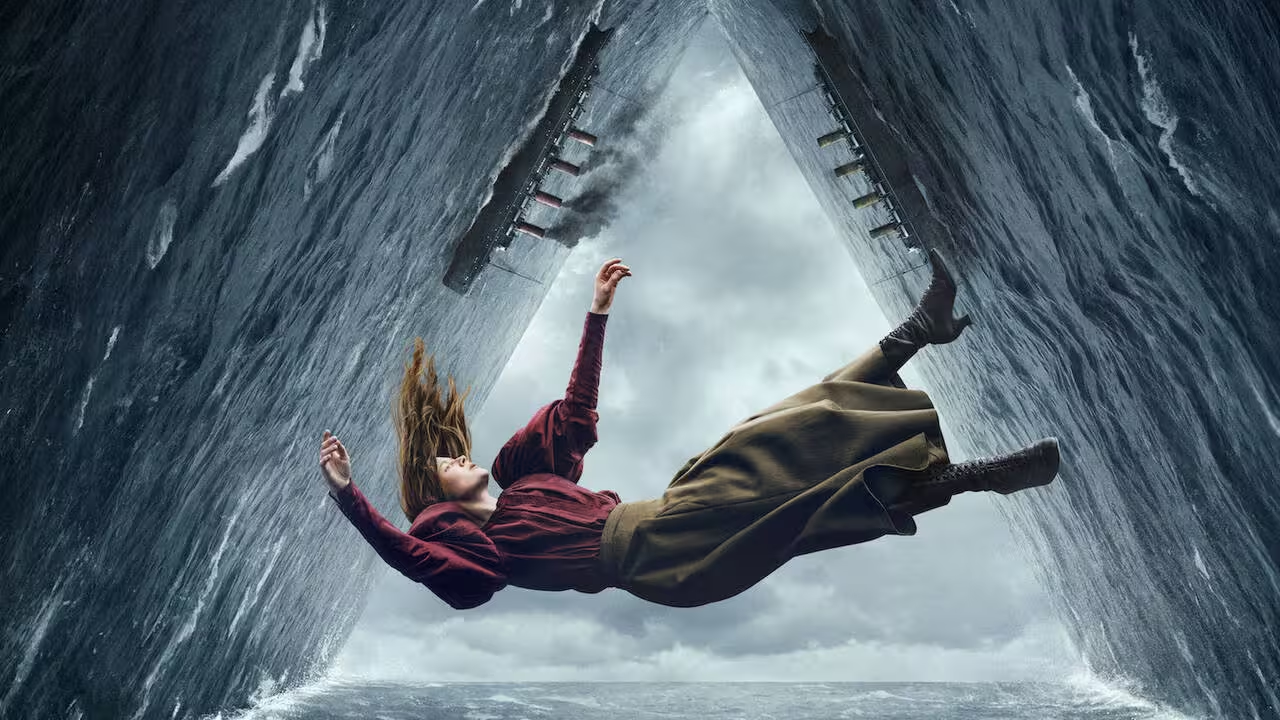
3. 1899 (2022) — From the makers of Dark came a period sci-fi puzzle: immigrants bound for America, a ghost ship, and a narrative that teetered between reality and elaborate simulation. The show announced itself as a grand, serialized mystery only to be canceled after its first season — precisely when the layers began to peel back. High production costs and streaming metrics likely sealed its fate, but the mind behind it had more maps to unroll. A second season could have turned ambiguity into answers, and that promise is what frustrates viewers most.
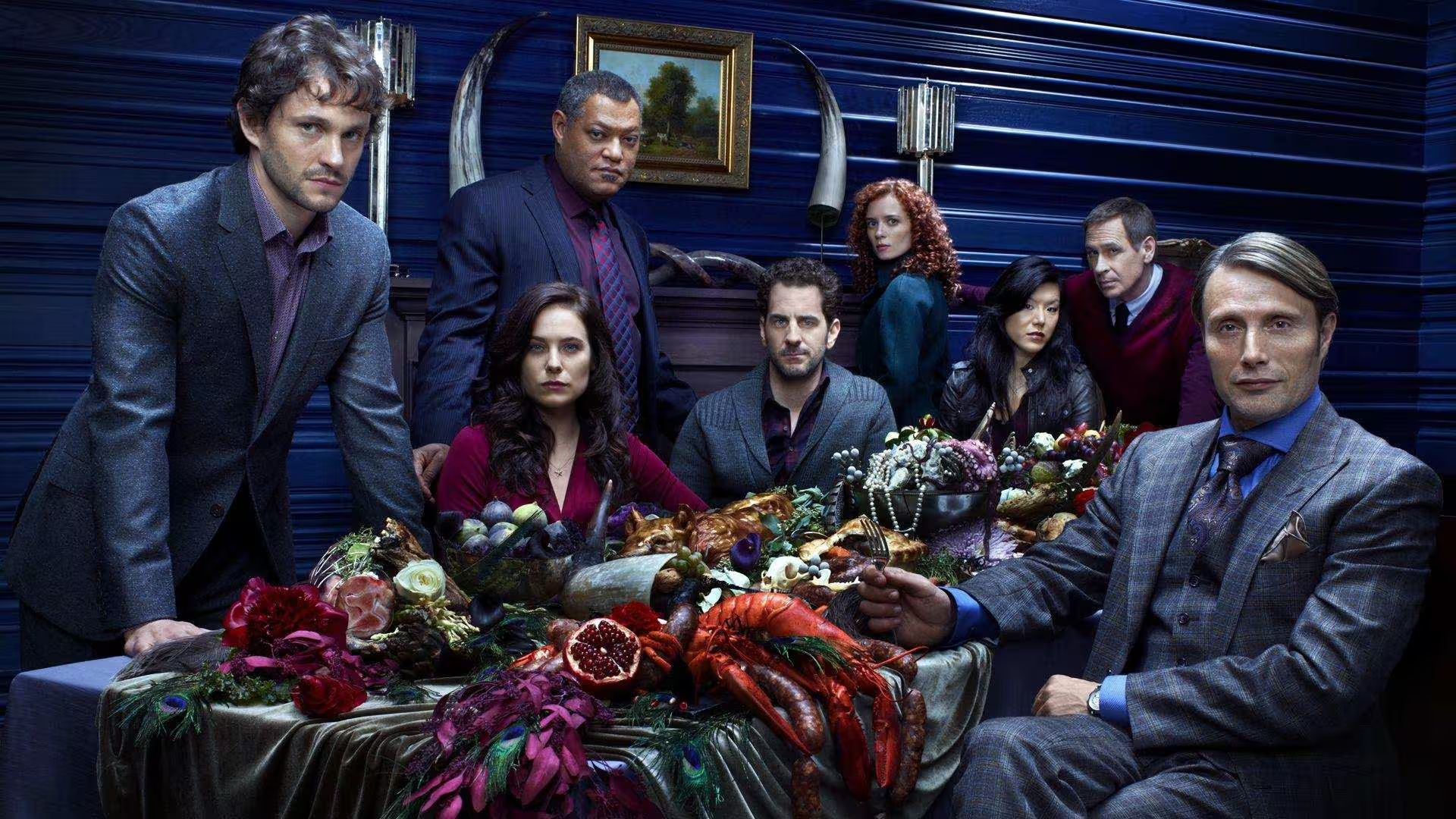
4. Hannibal (2013–2015) — Bryan Fuller’s operatic take on Thomas Harris’ world turned forensic horror into art-house television. Mads Mikkelsen and Hugh Dancy crafted a relationship so charged that every episode felt like a brushstroke toward something larger. Ratings never matched critical love, and the series ended after three seasons. Yet the mythology of Lecter and his web of influence still had room to breathe. A fourth season could have given Fuller the canvas to finish a carefully planned arc, blending dread, beauty and surgical storytelling.
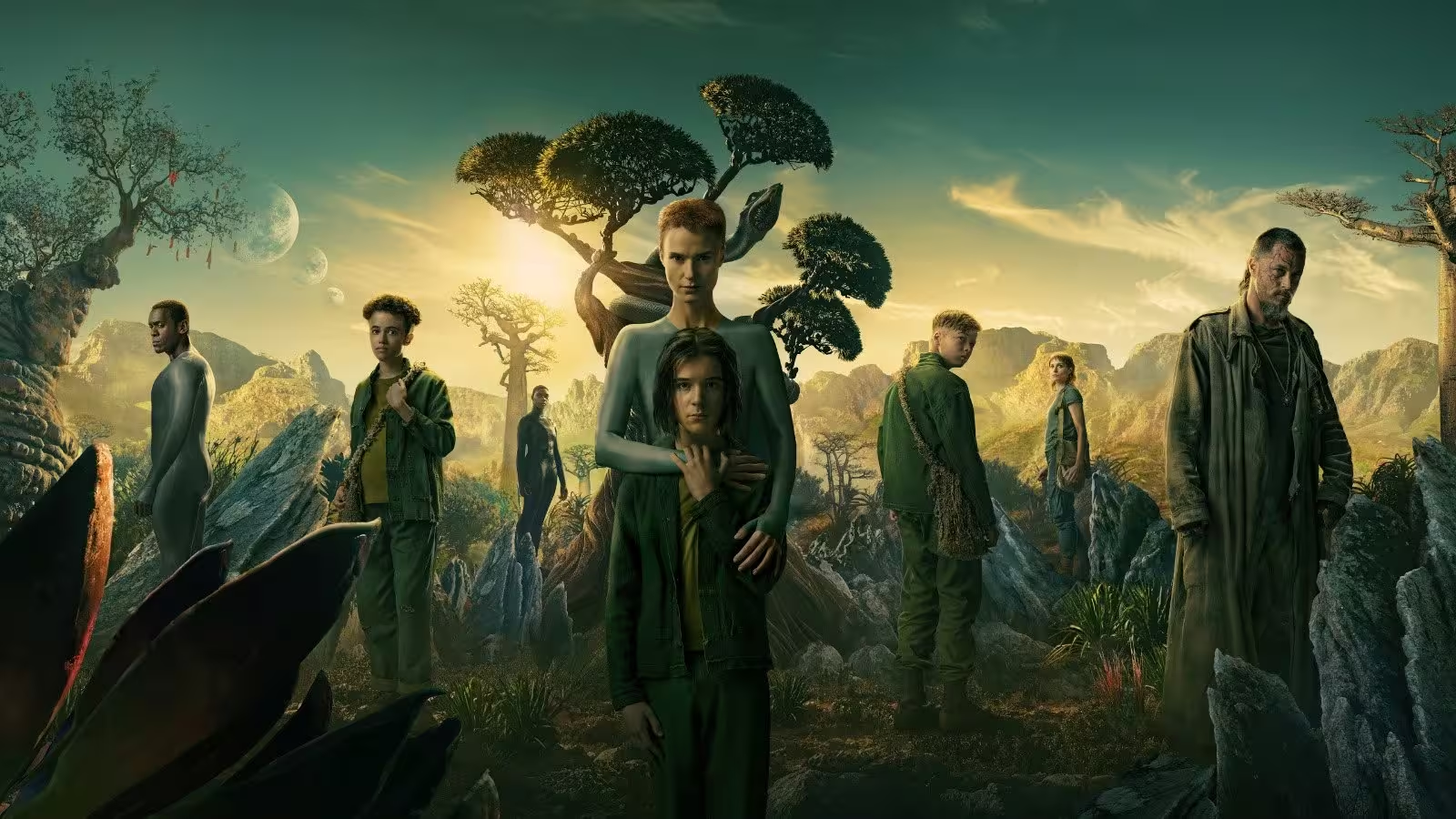
5. Raised by Wolves (2020–2022) — Ambitious sci-fi with theological underpinnings landed on HBO Max and, briefly, felt like the kind of show that could reshape modern space drama. Android caretakers, human children, and questions about belief and survival made for provocative television. Season two deepened the mystery and then the series was shelved amid corporate reshuffles. When corporate strategy writes the last page, viewers lose the chance to see the philosophical threads tied off. This series had plenty more terrain to explore on both cosmic and human scales.

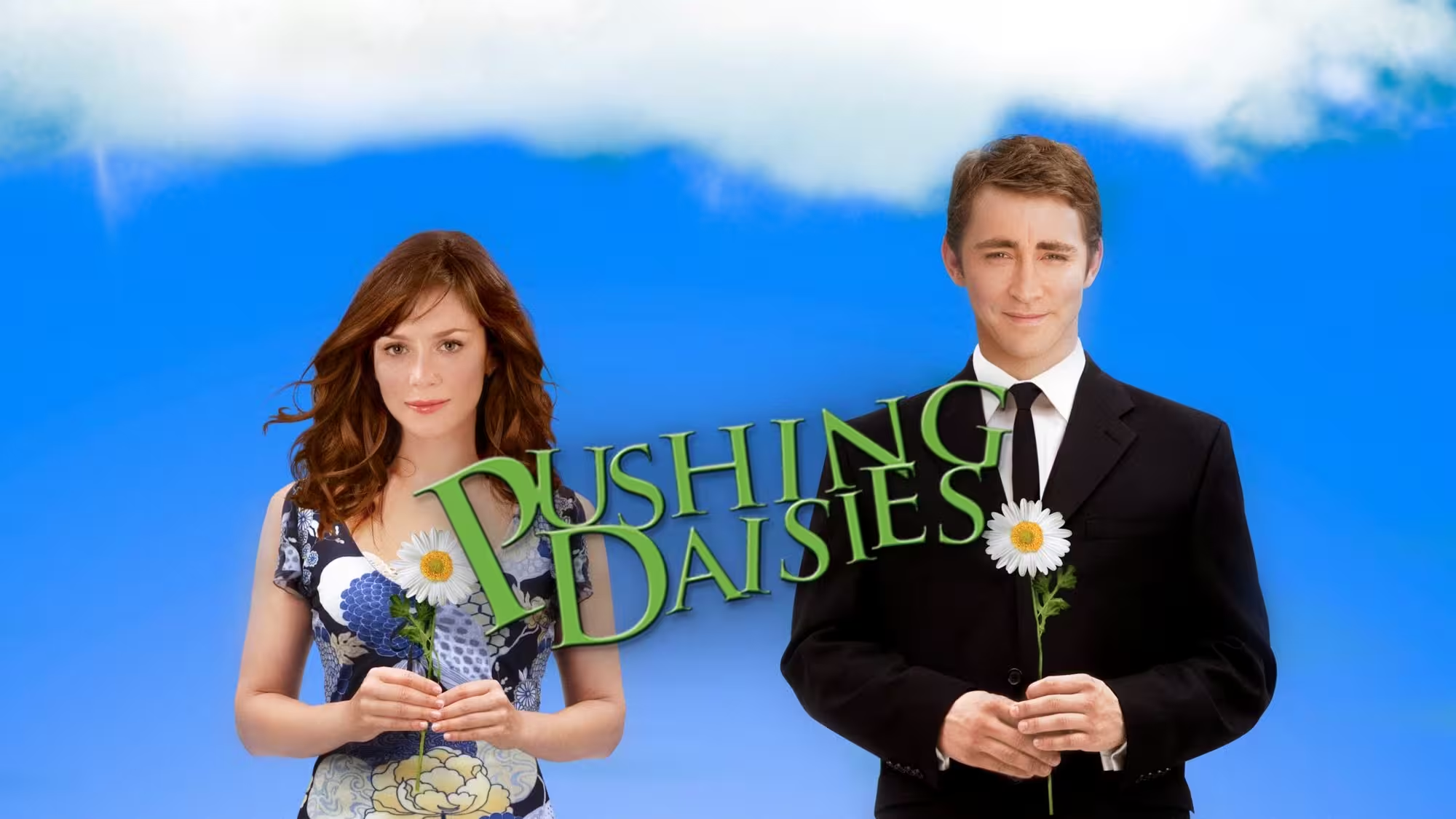
6. Pushing Daisies (2007–2009) — A confection of whimsy, crime-solving and romantic longing, Pushing Daisies was a TV fable in bright colors. Lee Pace’s Ned, who could revive the dead with a touch, inhabited rules both charming and cruel — rules the show wanted to test. Writers’ strikes and network pressures truncated its run, leaving narrative possibilities unexplored. The show’s singular tone made it fragile in the face of ratings demands, which is precisely why another short season or a reunion special would have been so satisfying.
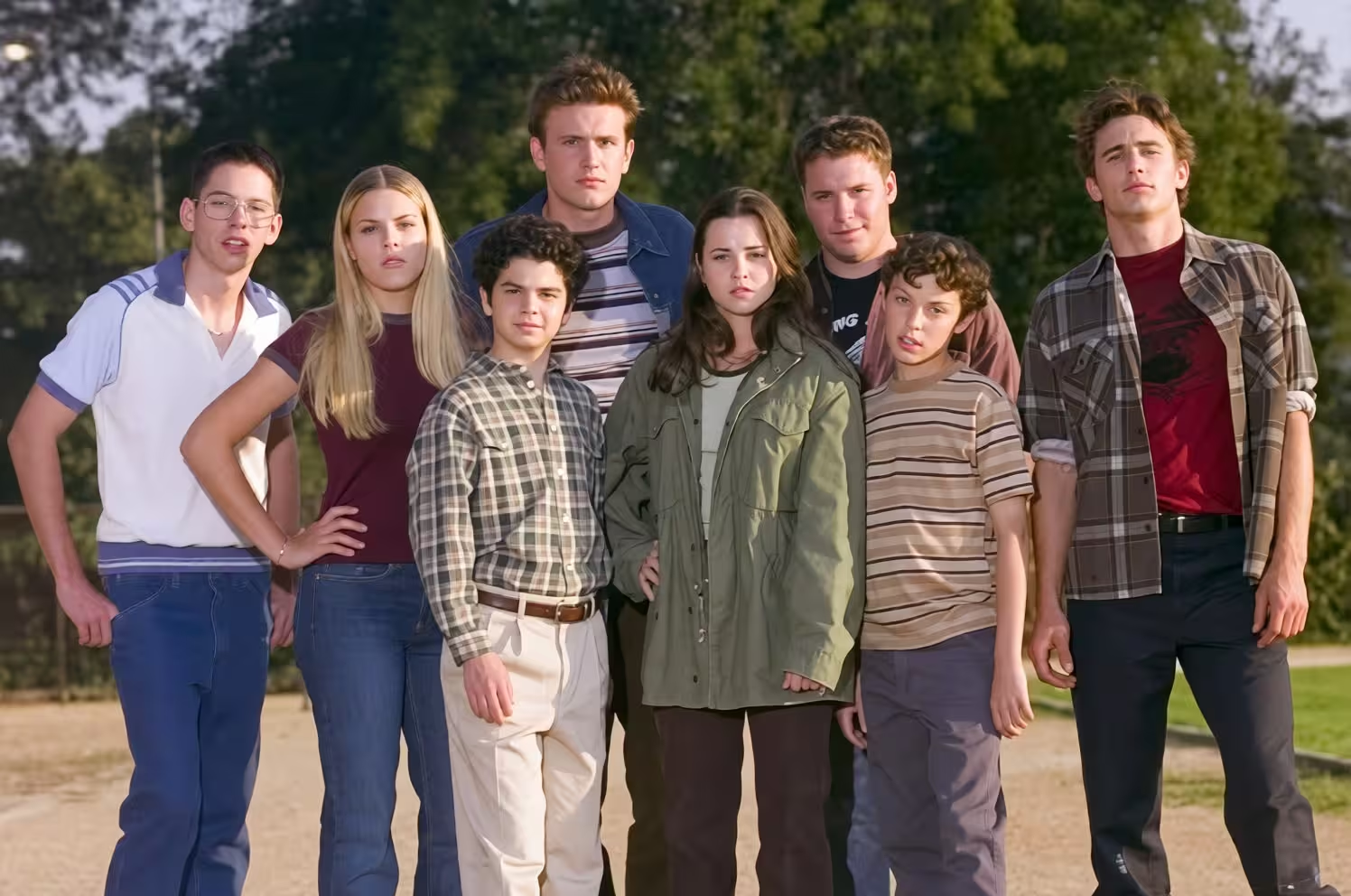
7. Freaks and Geeks (1999–2000) — One season. That’s all it took for this high-school mosaic to become a cultural touchstone. Authentic, awkward and painfully funny, it captured adolescence without gloss or melodrama. NBC’s scheduling and low viewership at the time killed it, but the cast and voice of the show have since grown into Hollywood heavyweights. A second season back then might have altered television’s coming-of-age template. Today we watch it as a glimpse of potential forever interrupted.
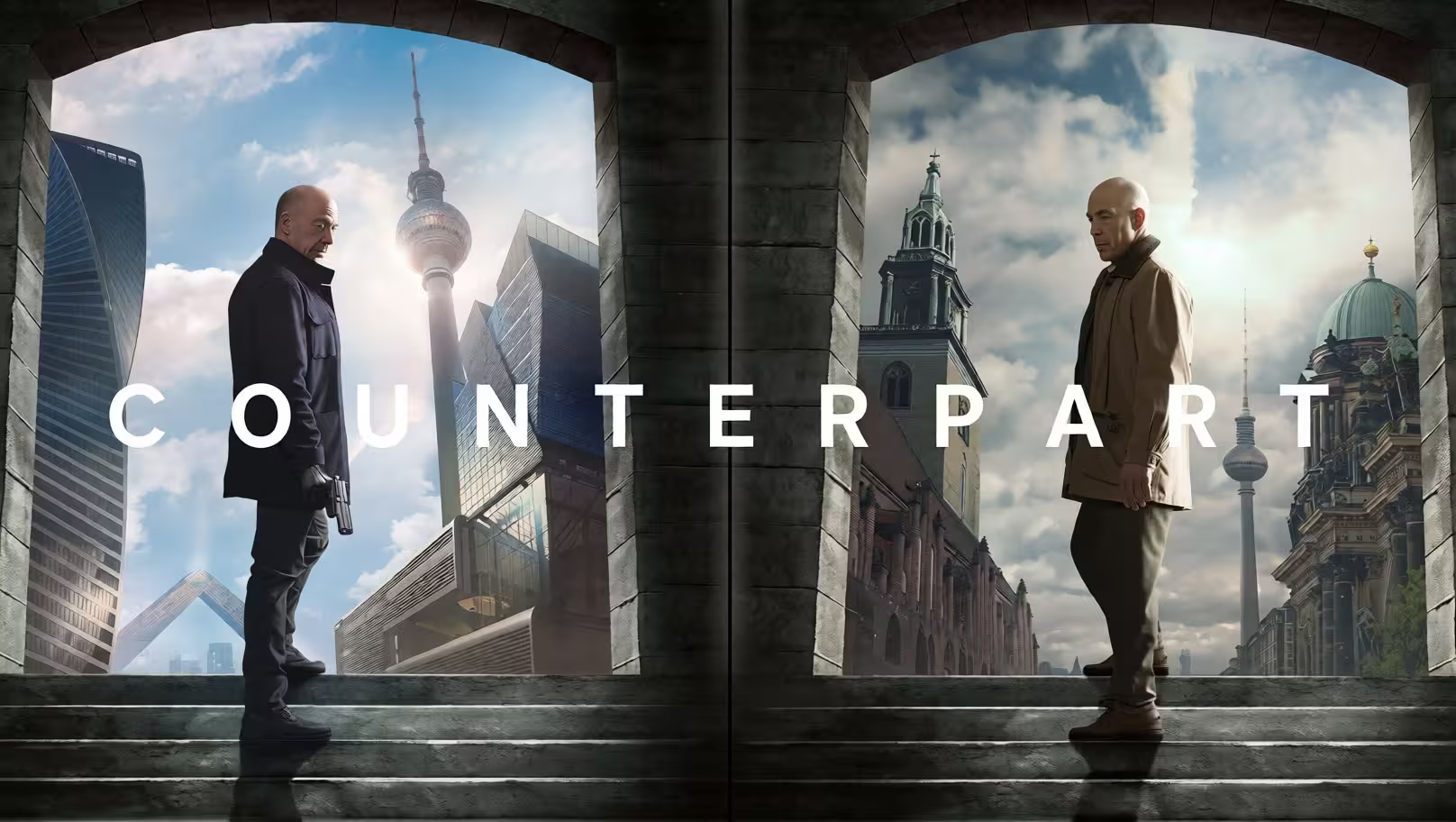
8. Counterpart (2017–2019) — J.K. Simmons delivered twin turns in a quietly brilliant Cold War–meets–sci-fi spy story about parallel worlds and fractured identities. The show married cerebral world-building to personal stakes, and it did so with restraint and intelligence. Starz gave it two seasons before changing course. While season two wrapped many threads, the twin-world premise still offered generative possibilities for further exploration of identity, consequence and espionage.
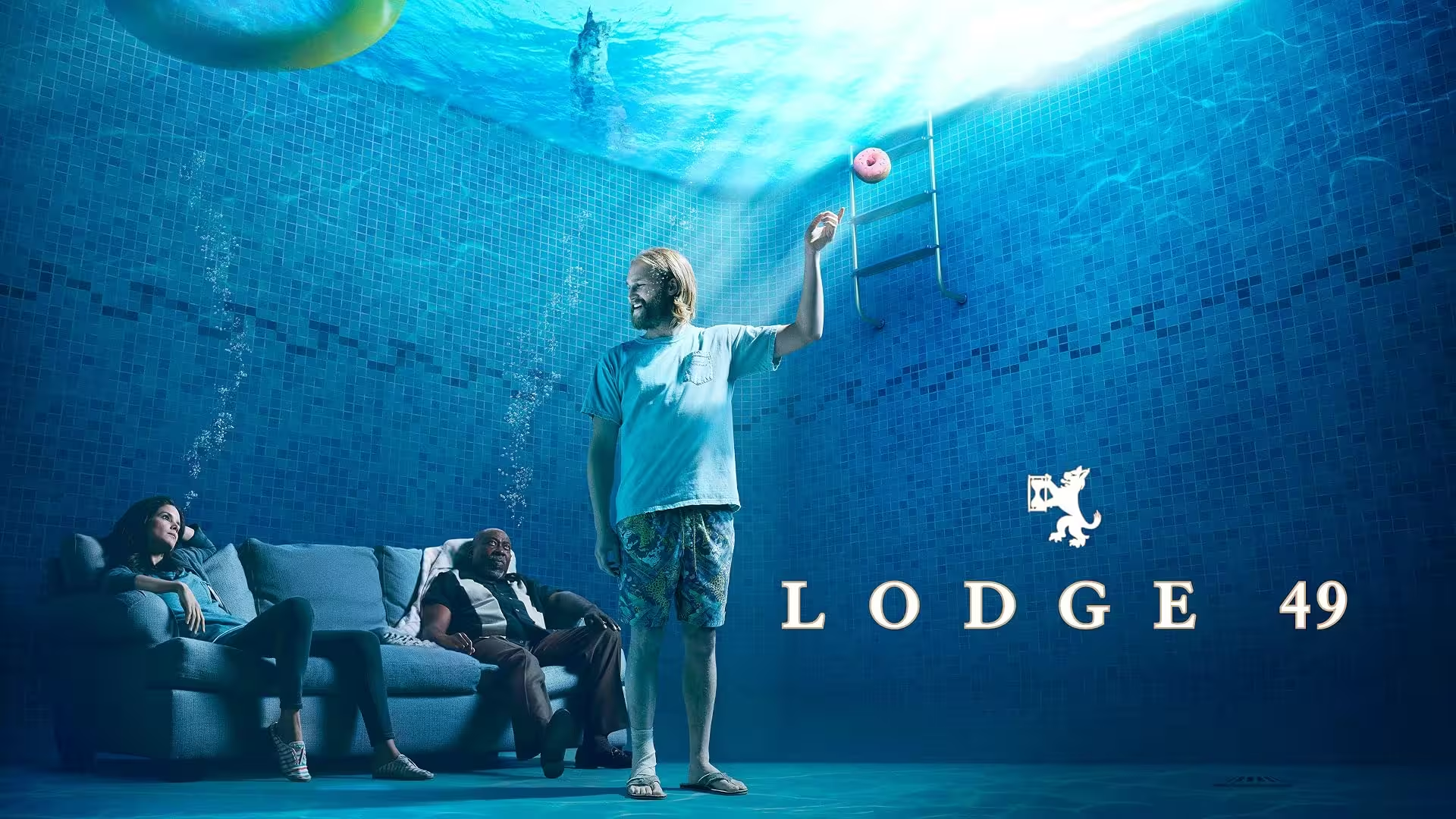
9. Lodge 49 (2018–2019) — Gentle, strange and oddly comforting, Lodge 49 resisted the urgency of cliffhangers and instead cultivated character-driven mysteries inside a seaside fraternal lodge. Its charm was never mass-appeal and that likely contributed to its two-season lifespan. Yet its slowness was also its strength: the show invited viewers into a quiet mythos that deserved more pages. A third season would have allowed the eccentric arcs and symbolic riddles to unfurl properly.
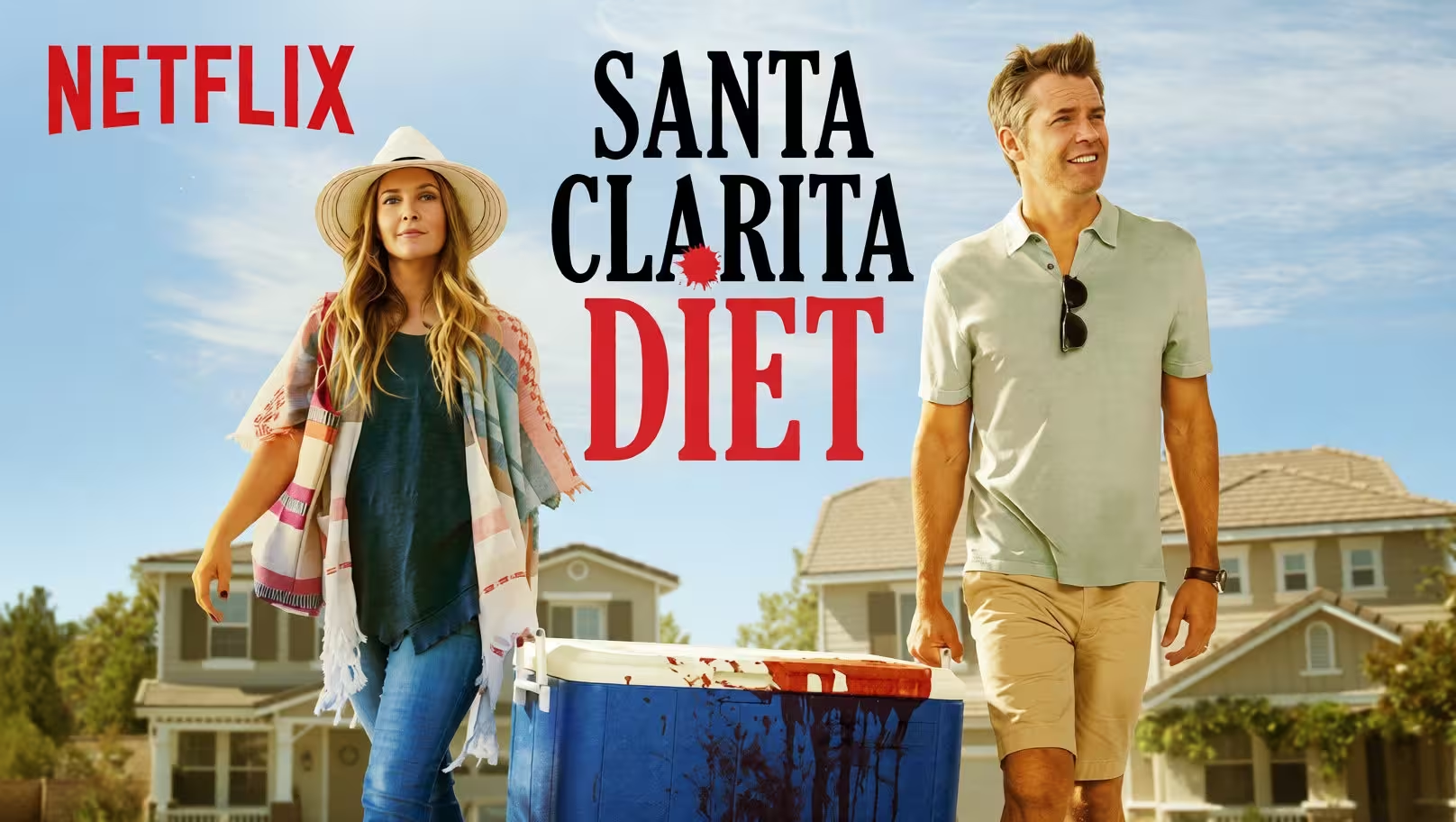
10. Santa Clarita Diet (2017–2019) — A suburban dark comedy about a couple trying to live with a gory, new reality; think domestic sitcom meets body-horror satire. Drew Barrymore and Timothy Olyphant anchored its absurd premise with heart, and across three seasons the show kept piling on fresh tonal gambits. Netflix cancelled it when multiple arcs remained open. The refusal to commit to resolution left a satisfying mix of character work and black comedy hanging.
Cancellation is rarely a verdict on creative worth; more often it’s the intersection of ambition, cost, timing and corporate choice. Some shows get time to breathe. Some don’t. And some become the sort of cult fires that keep burning precisely because they were cut short.

Which one do you think deserved a second life — and how would you want it to end?

Leave a Comment
Comments
No comments yet. Be the first.