
3 Minutes
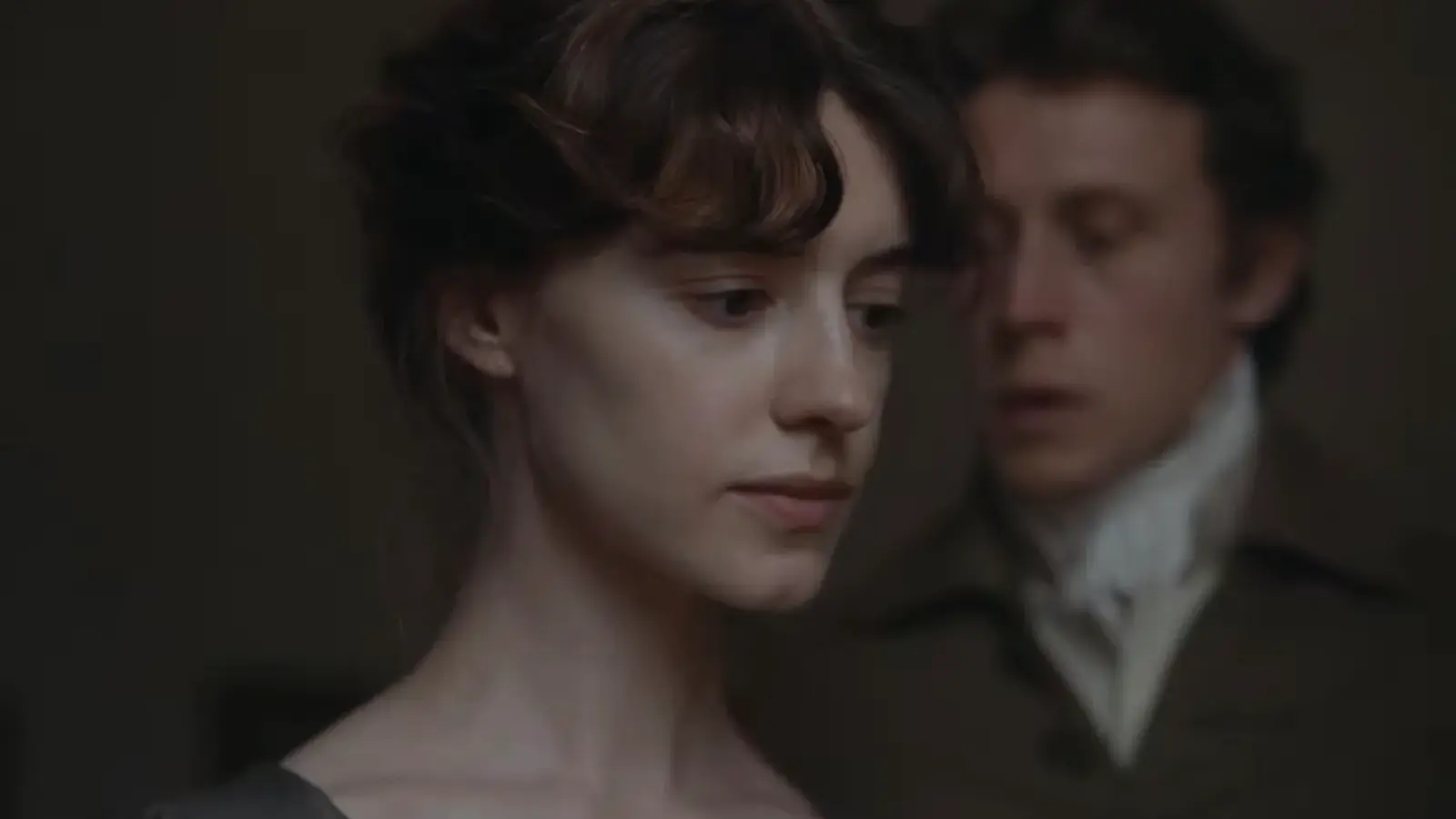
Jane Austen, reimagined for a generation that scrolls as quickly as it sighs. Georgia Oakley’s Sense and Sensibility doesn’t try to hide the fact that it’s a reinvention: it wears period bonnets and modern intent in equal measure, and that collision is precisely what has critics talking.
Based on Diana Reid’s screenplay, this adaptation returns to Austen’s 1811 novel to probe the same old tensions—love versus prudence, desire versus duty—but with a palette and pace that feel, at times, deliberately contemporary. Daisy Edgar-Jones and Esme Creed-Miles lead an ensemble that includes Catriona Balfe, Frank Dillane, Herbert Nordrum, George MacKay and Fiona Shaw, all navigating a world where social expectations tighten like a corset.
This adaptation aims to make Austen feel immediate without losing her moral pulse.
What critics liked first: the craft. Visuals and sound design land cleanly. Performances pull the film through predictable moments. On Rotten Tomatoes, 12 reviews have yielded a 75% critics’ score, while Metacritic aggregates ten reviews into a 72 out of 100—solid, if not unanimous, approval.
Some voices have been outspoken. Robbie Collin at The Telegraph suggests the film is unmistakably Austen, "but with hats swept by the wind," a small image that, for him, makes the whole adaptation livelier. William Bibbiani at TheWrap praises Oakley’s earthy, warmly funny approach, calling the film exactly as charming and watchable as fans might hope.
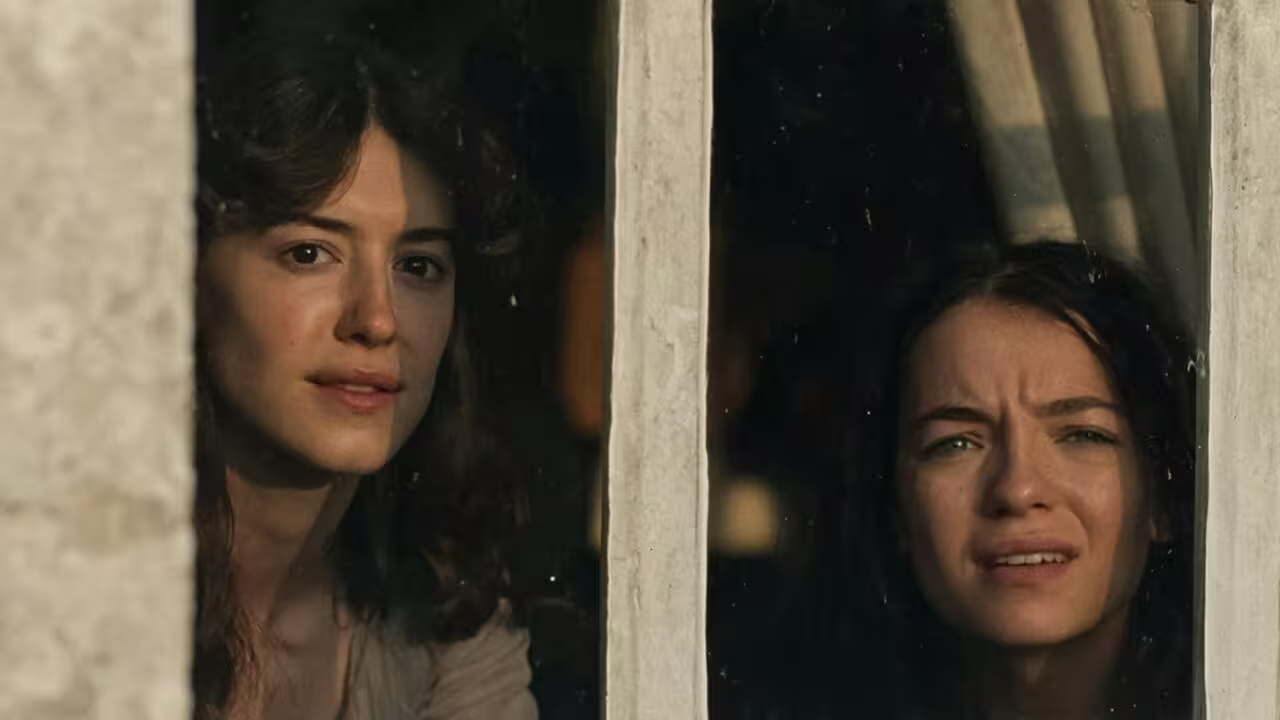
Yet not every response sparkles. Beatrice Loayza at Variety finds the film moodier and more grounded than previous versions, with a slightly muted color and emotional range—an aesthetic choice that will please some viewers and leave others wanting more heat. Peter Bradshaw of The Guardian and Laura Venning at Empire both note technical competence: the movie looks and sounds right, actors give sturdy performances, but the razor-sharp irony and comic bite of Austen’s prose are softened, traded for a gentler, more romantic rhythm.
At the low end of the spectrum, David Rooney in The Hollywood Reporter worries that Oakley and Reid linger so insistently on the sisters’ disappointments and the era’s gendered constraints that some of the characters’ livelier, more alluring traits are downplayed. In short: empathy becomes melancholy, and vigor flattens into restraint.
So where does that leave the viewer? If you crave a faithful, bright-witted imitation of Austen’s satire, this version may feel tamed. If you’re open to a contemplative, visually attentive retelling that prioritizes emotional realism over irony, you’ll find much to admire. Either way, Oakley’s film is an invitation—to revisit familiar scenes and ask whether a classic needs polishing or just a different light.
Catch it in theaters or stream it, and decide for yourself which side of the divide the story lands on.


Leave a Comment
Comments
No comments yet. Be the first.