
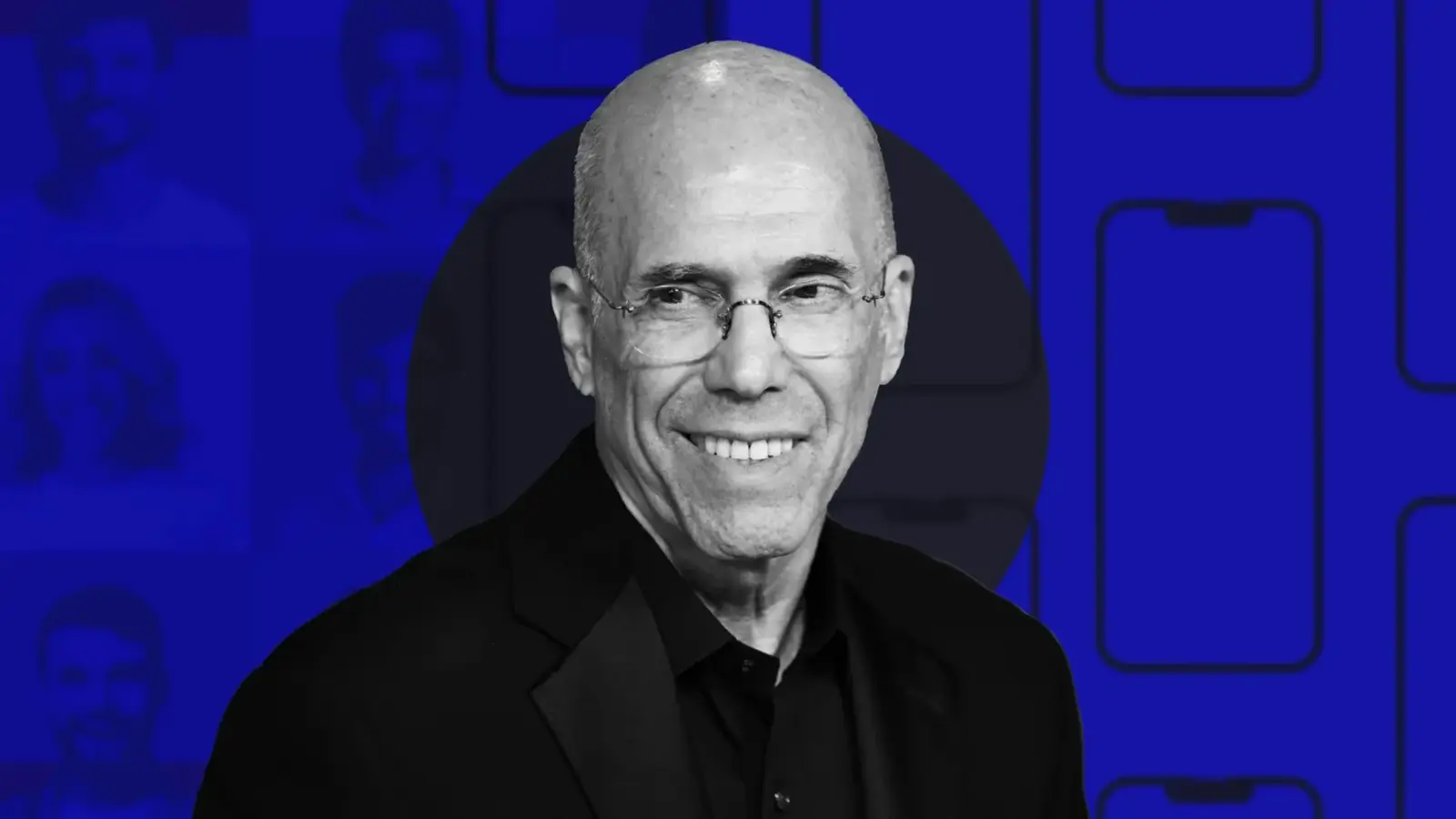
I sat up when I read Jeffrey Katzenberg's column. Not because it was portentous — because it was urgent and human. The DreamWorks cofounder didn't deliver a tech memo. He told stories: of animators hunched over desks, of revisions that chew up days for a single second of screen time, and of a stubborn love for craft that looks like resistance from the outside.
He understands that anger and fear. He has lived between two worlds: nearly a decade in Silicon Valley and a lifetime in Hollywood. That double life gives his warning weight. When he says the industry risks losing its position by fighting AI, he is not scaremongering. He is pointing to history and to a moment he says is unfolding faster than many expected.
Three years ago Katzenberg predicted new AI tools could cut global animation time and costs by up to 90 percent within a few years. The claim drew heat. Colleagues were alarmed. Some were furious. But then he sat in a Silicon Valley office and watched a demo: an AI-rendered animation scene, lit and composed with uncanny precision. It wasn't a prophecy anymore. It was a glimpse.
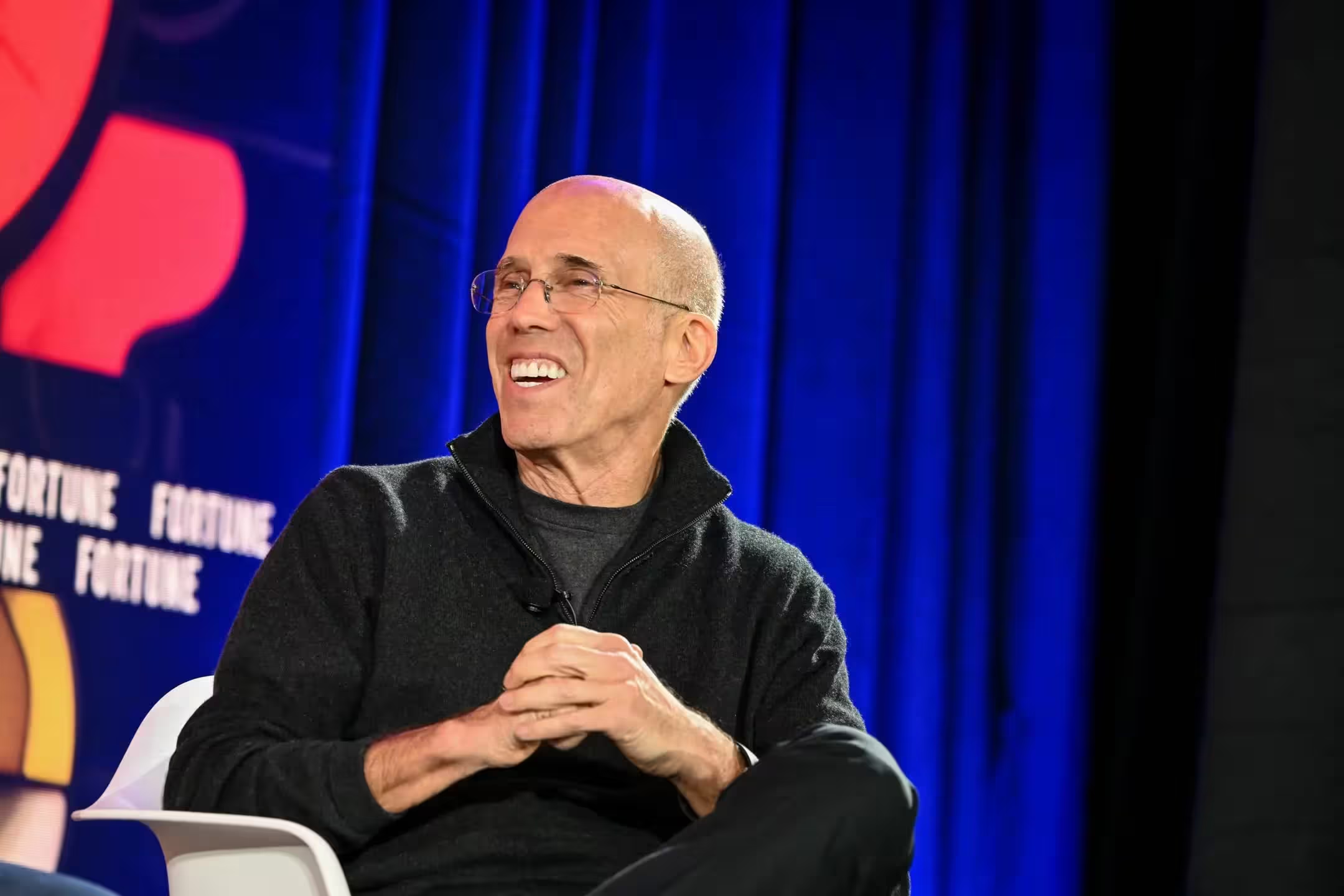
Artists' fears are plain to see. Who wants their life's work reduced to algorithms? Yet Katzenberg makes a sharper point: the pushback often comes from people who truly care about their craft. They are not resisting change for its own sake. They are defending the integrity of work that has taken years to master. That matters. It deserves respect.
Still, history offers hard lessons. Kodak and Blockbuster waited. Apple and Netflix moved. The comparison is blunt, but it is instructive: industries that treated change as an enemy found themselves outflanked. Katzenberg argues Hollywood must avoid that trap. Saying no is an option. But it may be an expensive one.
He does not pretend to have all the answers. Far from it. Katzenberg admits uncertainty about how the technical gaps will be bridged, noting that even leading engineers concede there is no single scientific roadmap yet. That ambiguity, he suggests, could be a place to start honest conversations between creators and technologists, not an excuse for stalemate.
What kind of conversations? Practical ones. How do new tools augment, not erase, human imagination? How do rights, credits, and livelihoods get protected while studios explore efficiency? Katzenberg frames this as a choice: north has the tools, south has the soul. The best future will borrow strength from both.
Elon Musk amplified the column by resharing it on X, which only underlines how the debate has spilled beyond industry mailing lists into public discourse. When technology founders, studio heads, and artists are all in the same conversation, messy compromises are inevitable. Better that than destiny decided behind closed doors.
There is a practical stake here for everyday viewers too. Faster, cheaper animation could mean more daring stories reach screens; smaller teams could tell bigger tales. But it could also mean fewer people doing the hands-on work that has always given films their texture. That tension is the story Katzenberg wants us to write together, not watch passively.
He closes with a conviction rather than a verdict. Opportunities will expand, he says. The question is how the industry chooses to cross this threshold. Will Hollywood hold onto tradition so tightly it forgets to learn new techniques? Or will it fold those techniques into a renewed creative process that lifts storytellers rather than replaces them?
Either way, one thing feels clear: the debate is not about whether AI exists. It's about what kind of film industry we want to be when the next frame is rendered.


Leave a Comment
Comments (1)
Sat up when I read Katzenberg. Felt urgent, scary, hopeful all at once. If that AI demo is real then studios need a plan, not a panic. Artists deserve a seat at the table.