
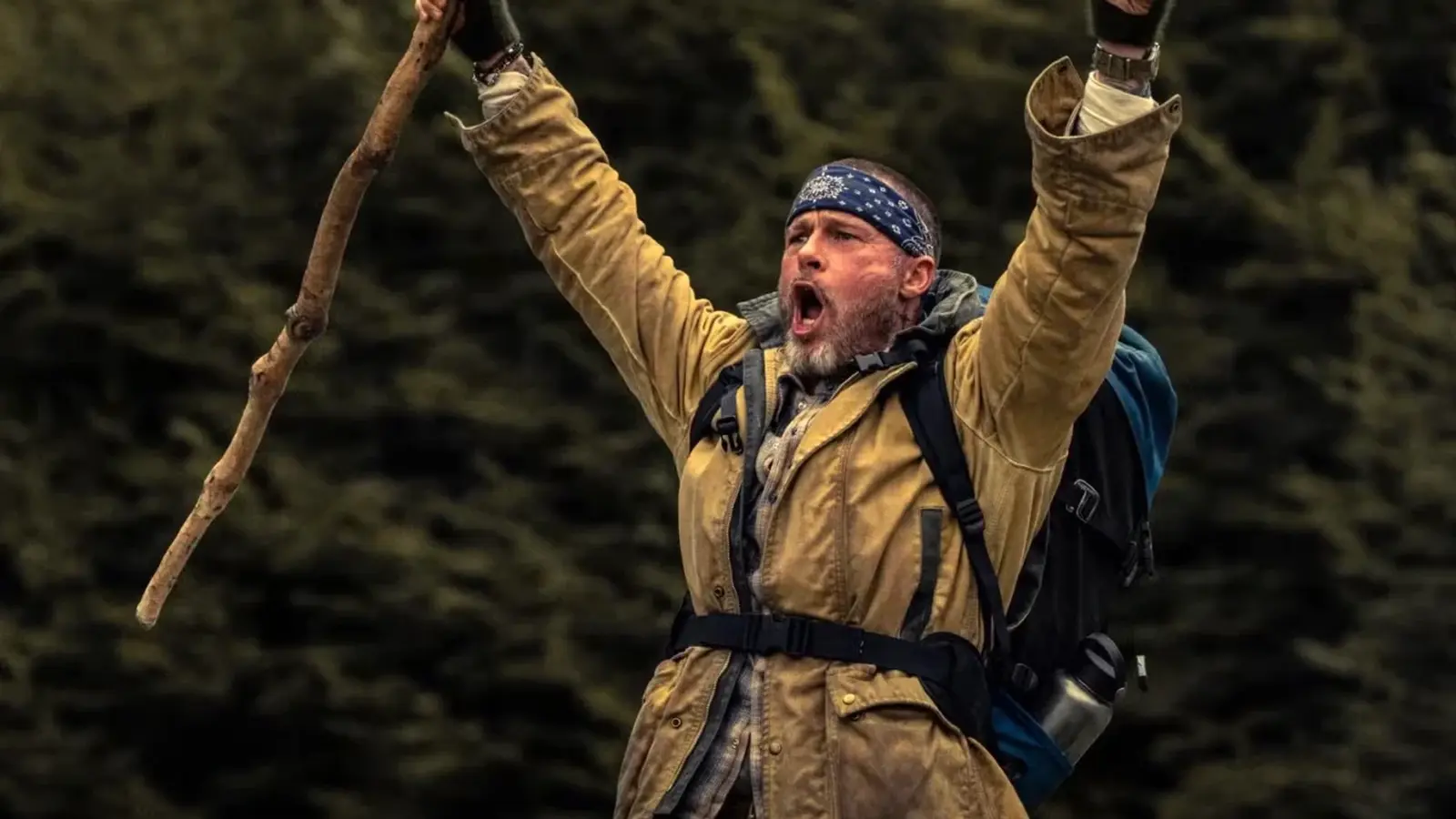
A crash. An unforgiving sky. One man and one dog left to push through 58 brutal miles of Alaskan wilderness. Short and sharp. That is where Heart of the Beast begins, and it refuses to let go.
Directed by David Ayer and written by newcomer Cameron Alexander, the film plants Brad Pitt in the role of a retired special forces operator whose seaplane goes down in a remote stretch of Alaska. He wakes to a landscape that does not care about heroism. It cares only about survival.
His companion is a wounded military German Shepherd, scarred in body and spirit. Together they must cross an expanse of ice, snow, and threats both seen and unseen. The journey becomes a test of skill, stubbornness, and the fragile trust between a man and an animal that refuses to be left behind.
Visually, the movie is raw and tactile. The cold is almost a character. Close-ups of frostbitten skin, the crunch of snow underfoot, the silent communication between Pitt and the dog—these moments are filmed with a surgeon's attention to texture. Yet the film is also about feeling: loneliness, grief, the stubborn warmth of companionship.
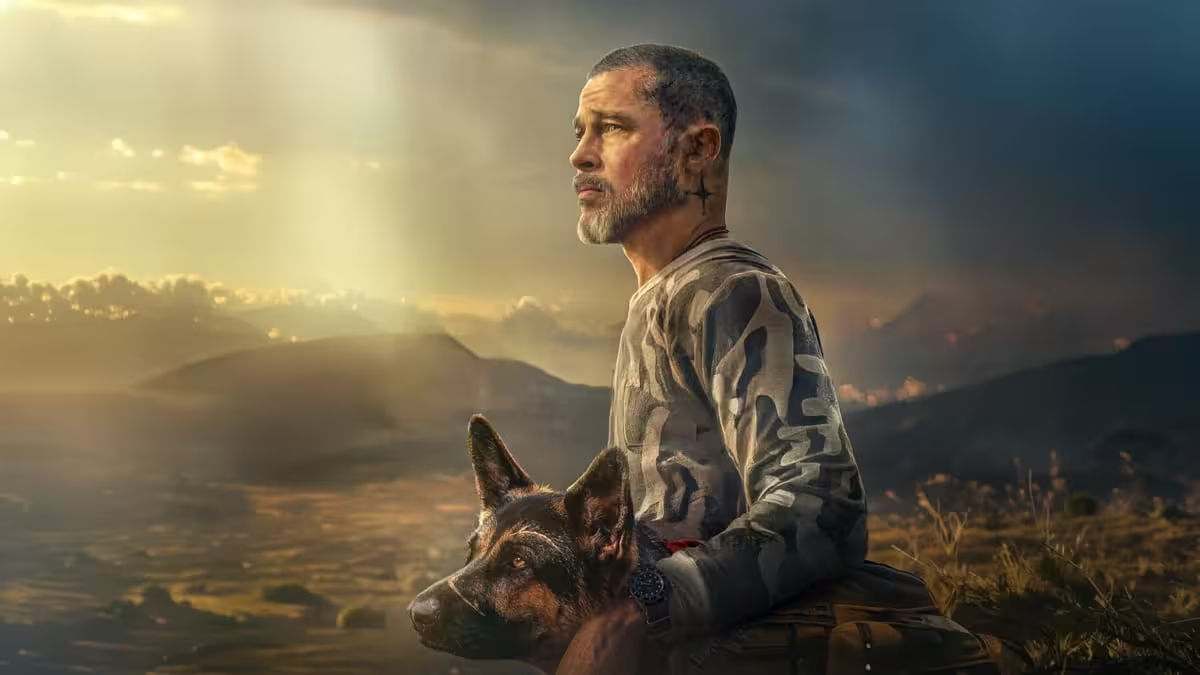
Critics have mostly liked what they saw. Rotten Tomatoes lists 46 reviews and an impressive 91 percent approval, while Metacritic aggregates 17 reviews to a score of 69 out of 100. Those numbers tell two stories at once: acclaim for craft, and a modest disagreement about emotional reach.
IGN gave the film an 80, calling it a compelling survival tale that will especially land with dog lovers and anyone who enjoys watching Pitt pushed to his limits. It’s a simple pitch and it works.
The Hollywood Reporter, also at 80, frames the picture as an unexpected love story. Yes, a love story between a man and his dog. That idea might sound odd on paper, but the emotional weight carries. There are real moments that land.
Variety praised Ayer’s technical command and willingness to let violence and discomfort serve the story. Again 80. The reviewer noted how the film makes the physical cost of survival feel immediate and heavy—no sugarcoating.
Empire’s take is lean and fond: 80. A straightforward survival movie, with a standout canine performance. Sometimes simplicity is the point.
The Film Verdict and TheWrap each scored the film at 72. Both saw familiarity in the survival template—Ayer and writer Cameron Alexander do not reinvent the wheel—but commended the film’s emotional clarity and its capacity to generate suspense and honest feeling.
More mixed responses come from Screen Rant and The Guardian, each awarding a 60. Critics here appreciate the tactile filmmaking and emotional beats, but find the film predictable in places and occasionally strained when it reaches for sentimentality.
Next Best Picture landed at 50, describing Heart of the Beast as a middle-of-the-road, family-leaning survival tale wrapped in American symbolism—effective at times, uneven at others.
At its best, Heart of the Beast is a minimalist survival drama that earns its emotion through grit, silence, and the odd, luminous tenderness between a man and his dog.
Is it groundbreaking? Not exactly. Is it honest and often moving? Yes. If you want a film that trades spectacle for texture, where performance and environment pull the audience into a slow, grueling pilgrimage, this one will keep you watching.


Leave a Comment
Comments
No comments yet. Be the first.